Regit Decor
1 / 5
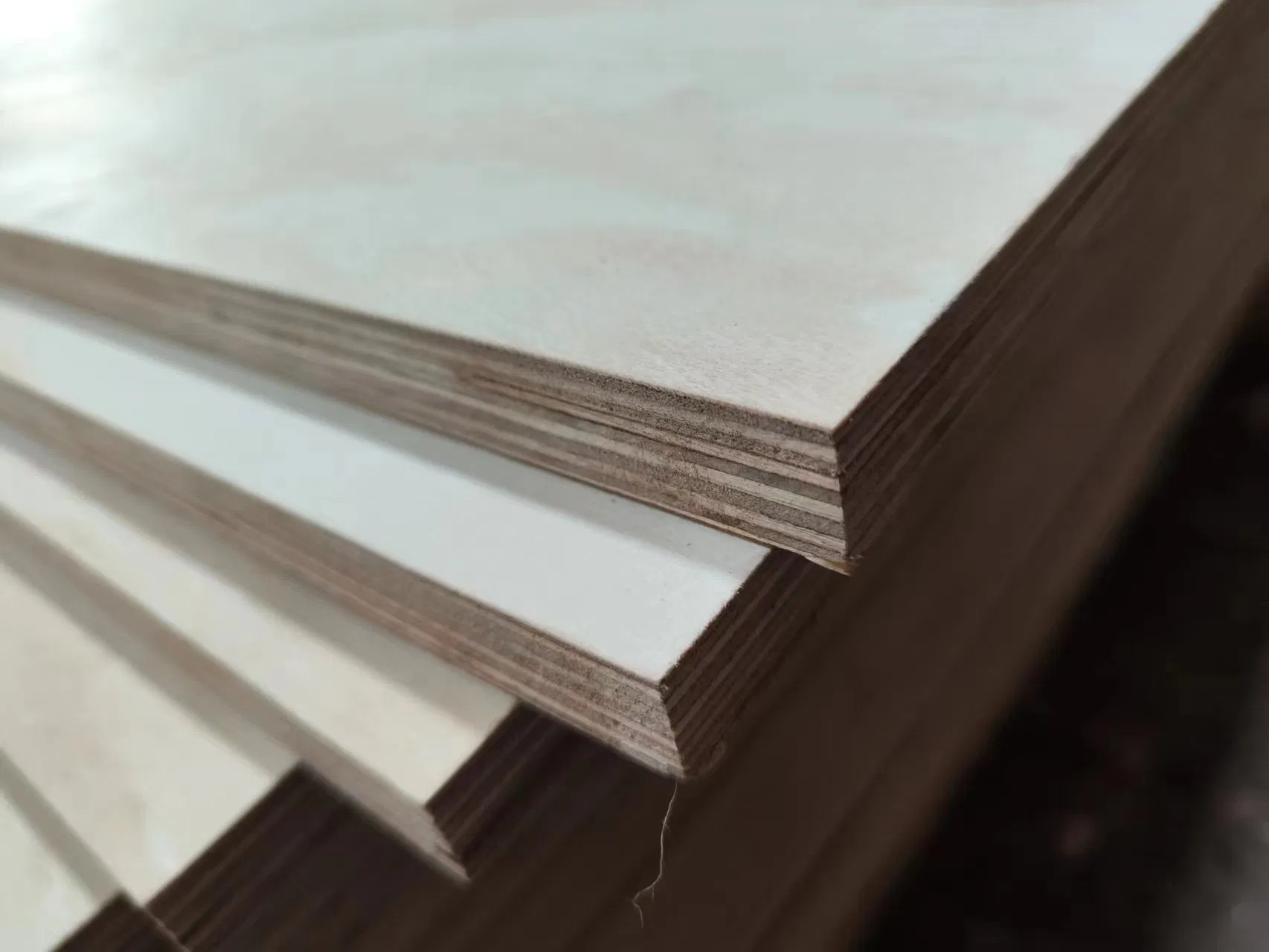
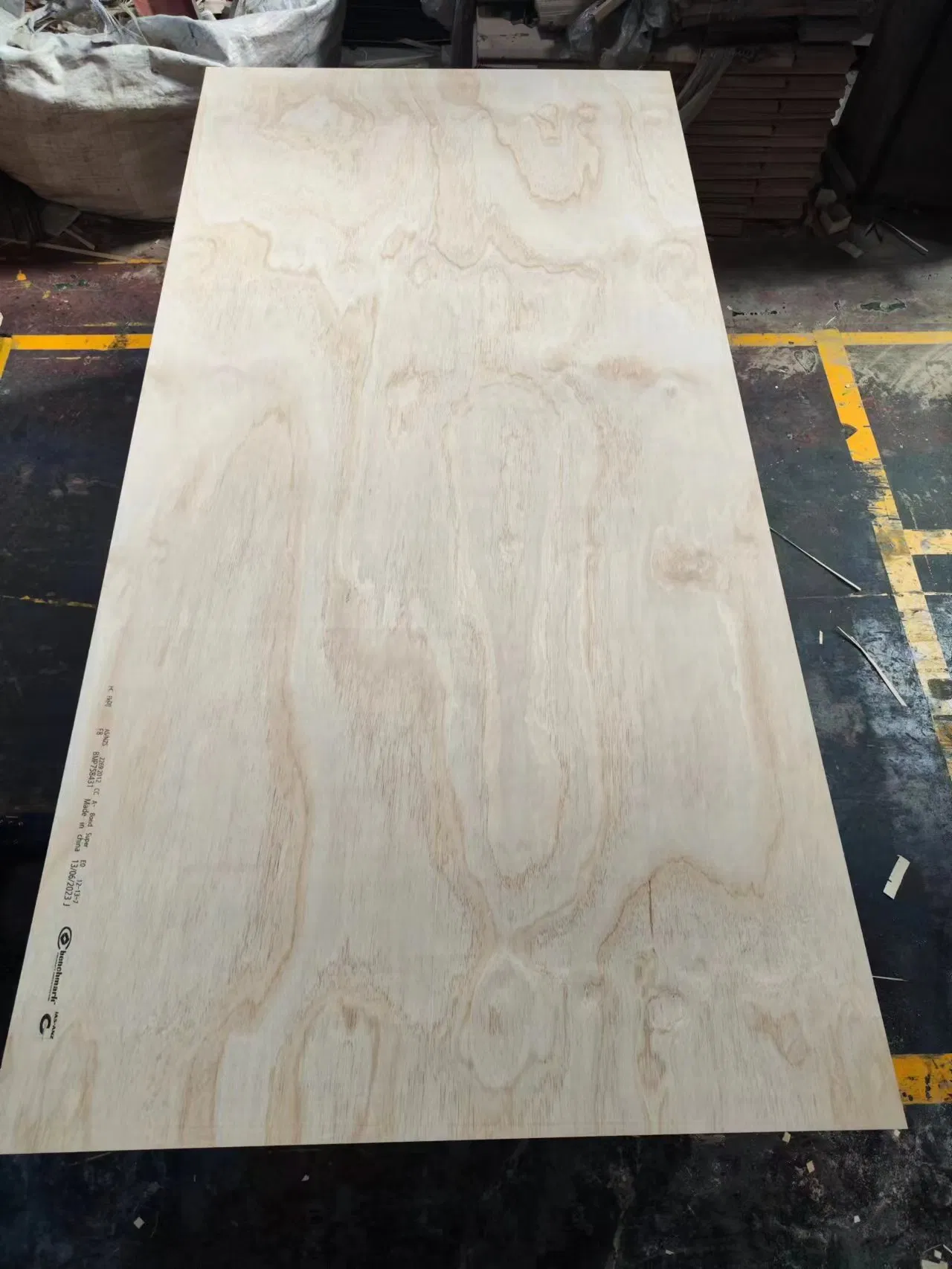
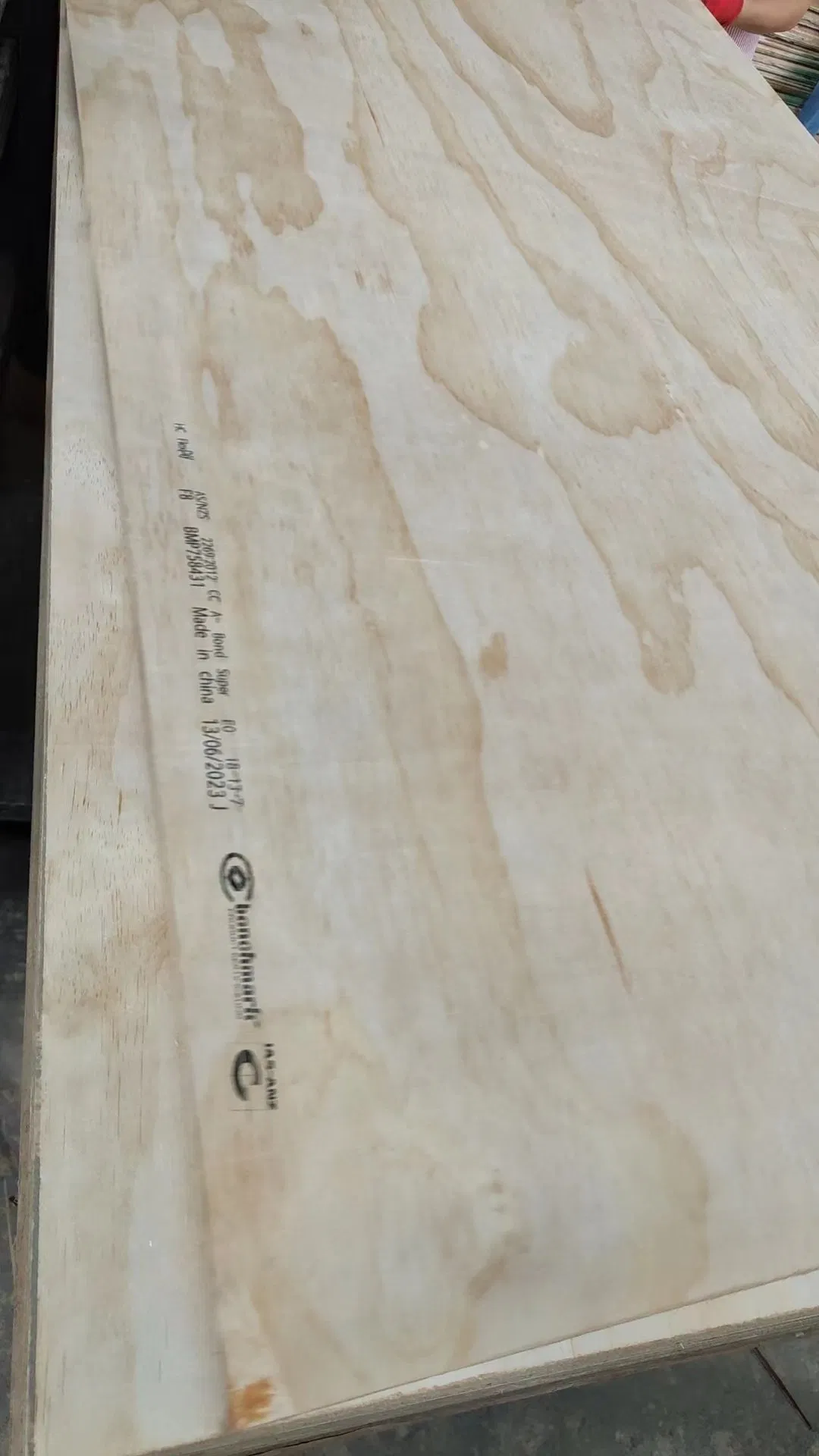
AS/NZS2269 Waterproof F8/F11 Grade Cc/CD Structural Plywood with Super E0, a-Bond and H2s Treated
Product Description
Basic Specifications
Model NO.
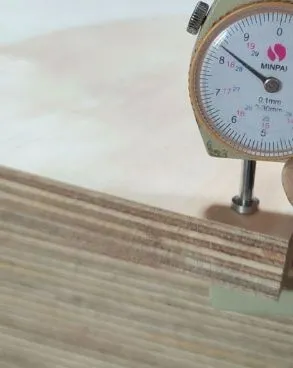
1200x2400x17mm
Material
Pine
Plywood Type
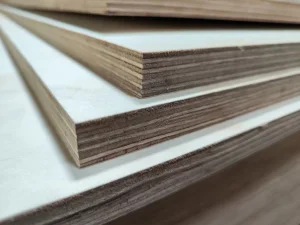
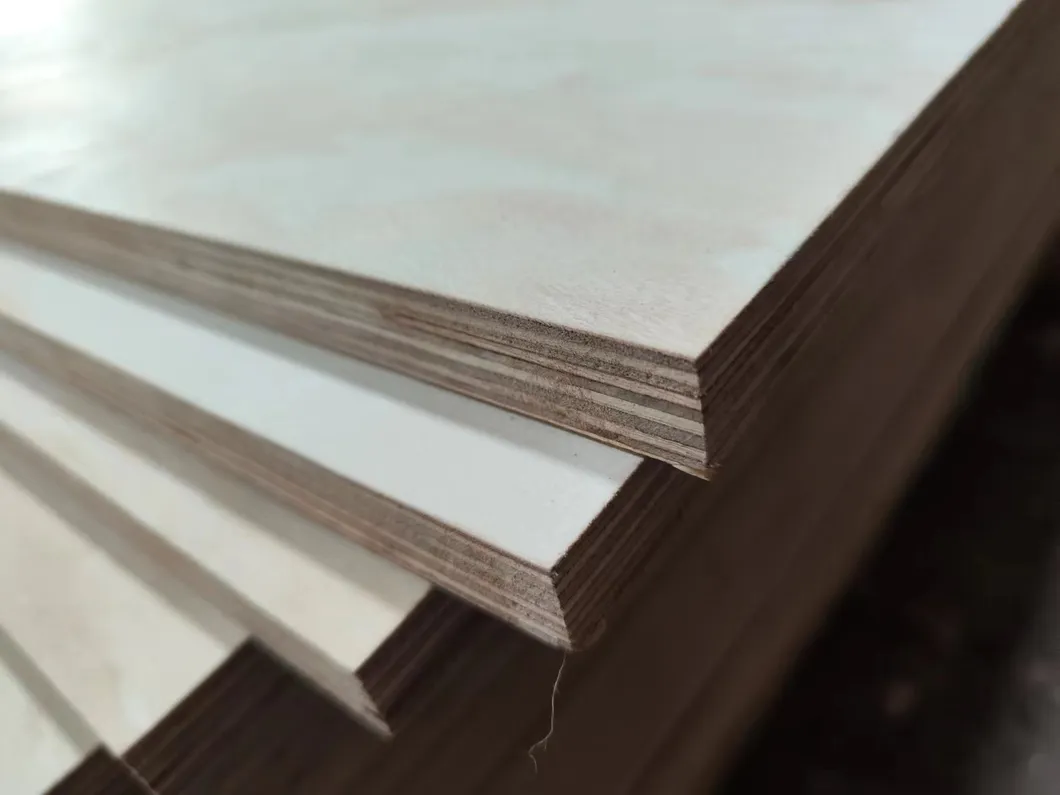
13-Ply
Emission Standard
E0 / Super E0
Density
500-700kg/Cbm
Glue Type
Phenolic Resin, WBP Melamine
Usage
Indoor & Outdoor Structural
Moisture Content
8-14%
Product Description
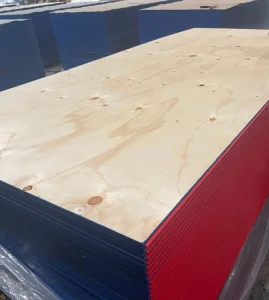
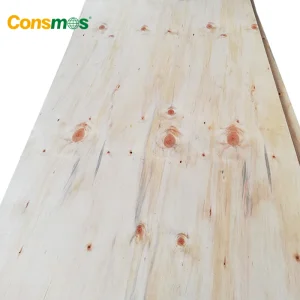
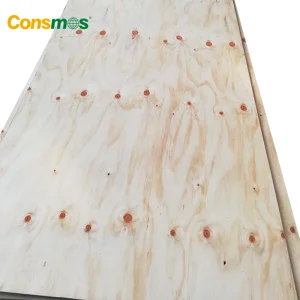
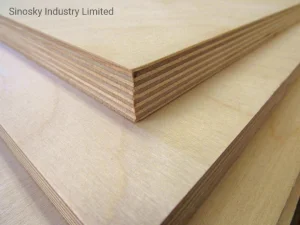
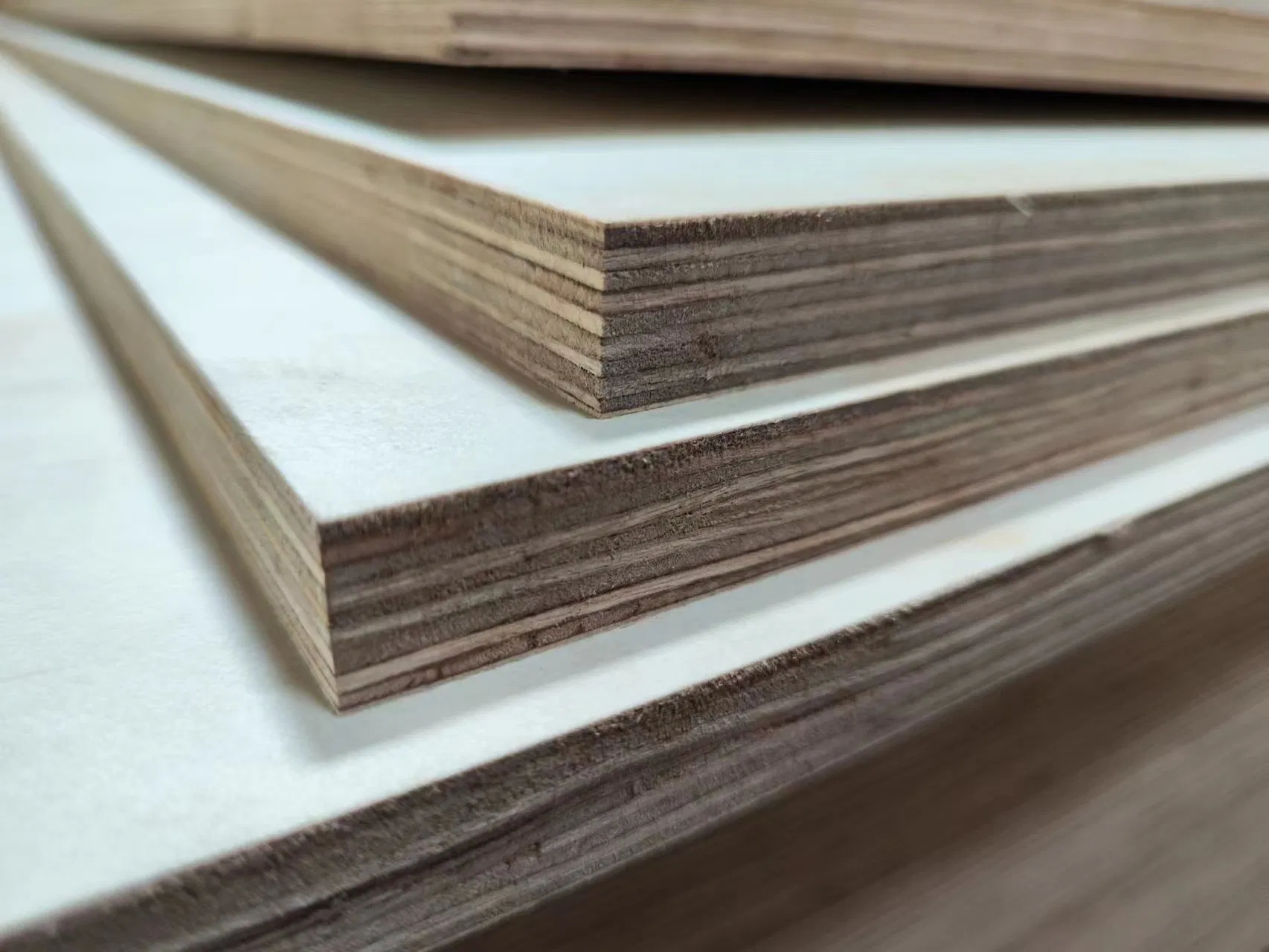
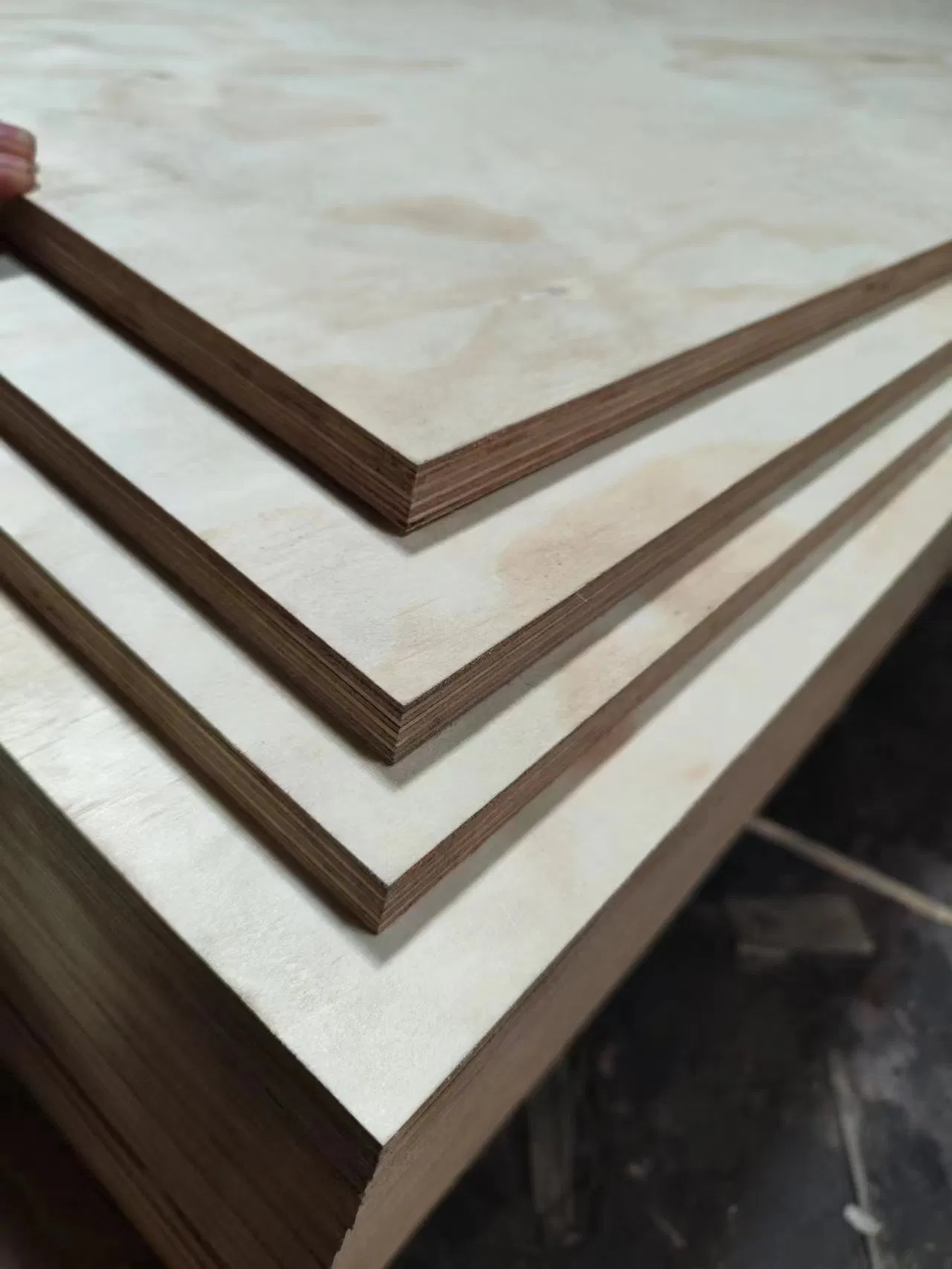
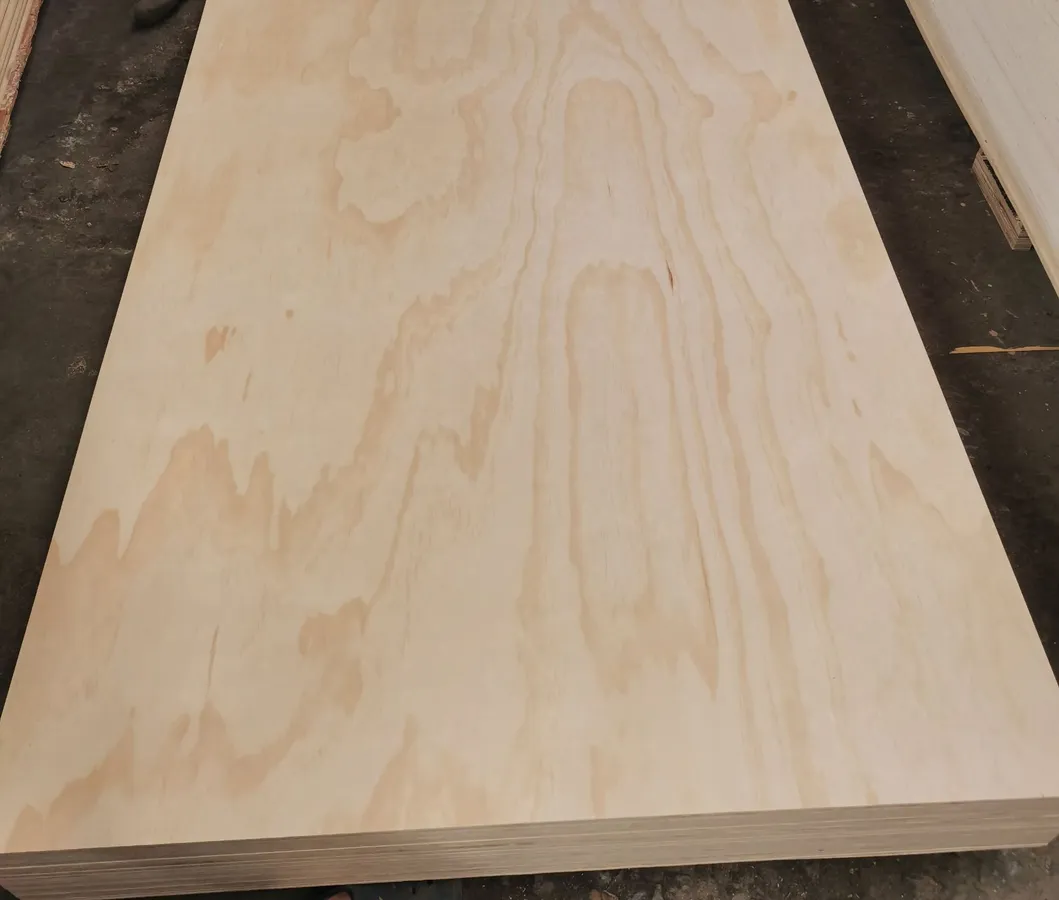
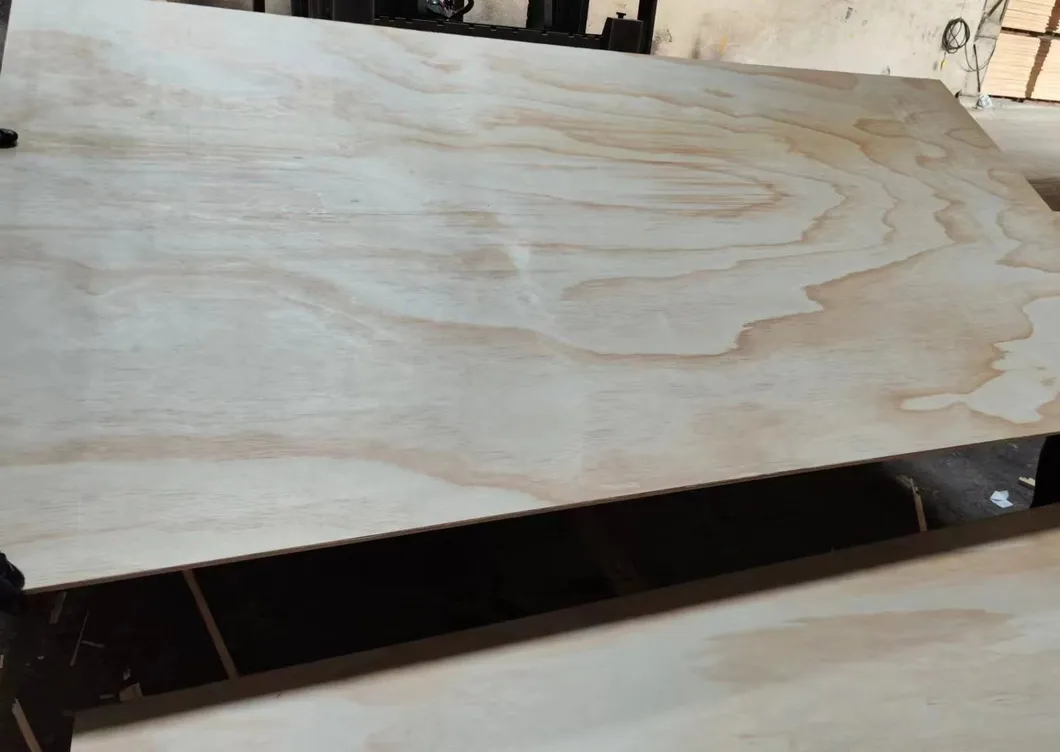
Structural plywood has been manufactured for excess of 15 years and has been used successfully in international markets. Designed for domestic and light commercial structural and decorative applications, it meets AS/NZS2269 standards using premium plantation Radiata Pine and Larch.
For enhanced durability, this plywood can be preservative treated to H2, H3, or H4 standards to resist termites and rot. A cost-effective bifenthrin glue line additive is also available for termite resistance.
| Stress Grade | Thickness (mm) | Size (mm) | Weight (kg/sheet) | Moment of Inertia (I) | Section Modulus (Z) | Packing (sheets) |
|---|---|---|---|---|---|---|
| F17 | 17 | 1800X1200 | 24 | 240.00 | 27.60 | 43 |
| F17 | 17 | 2400X1200 | 32 | 240.00 | 27.60 | 43 |
Key Advantages
- Manufactured from sustainably-grown plantation pine and Larch.
- Available in B, C and D surface appearance grades.
- Wide range of thicknesses (3mm to 40mm) and dimensions.
- Supplied in F8/F27 stress grades for high structural integrity.
- Low formaldehyde emission (E0) for safety.
- Void-free layer under surface veneer for moisture protection.
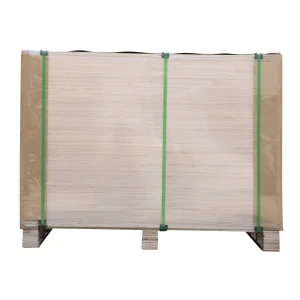
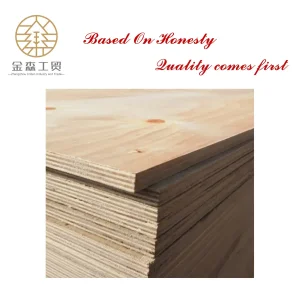
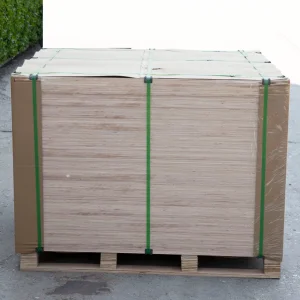
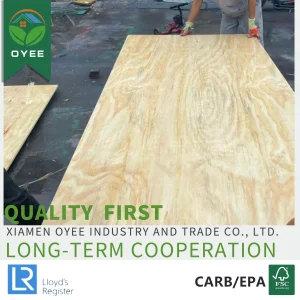
Detailed Photos & Packaging
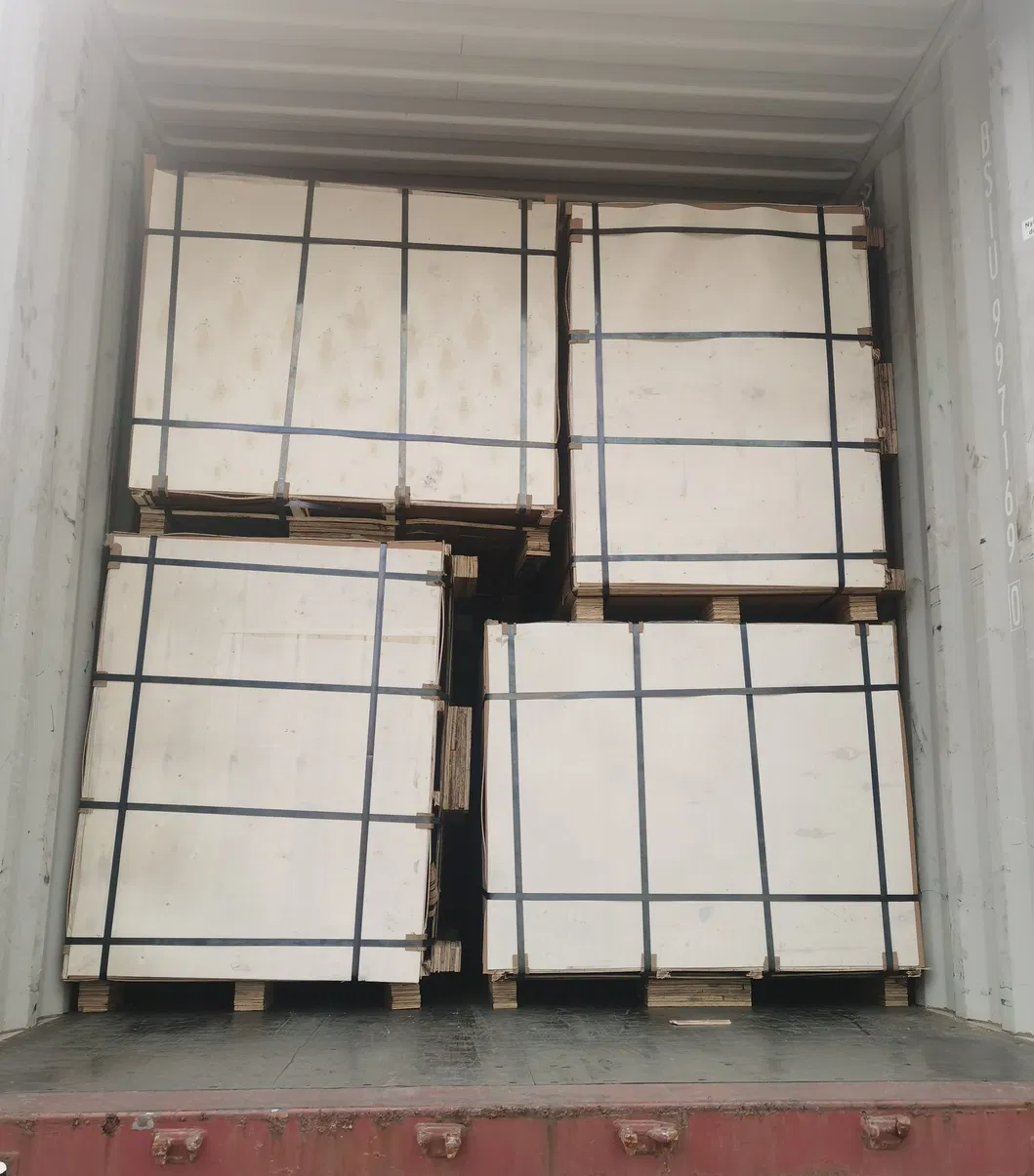
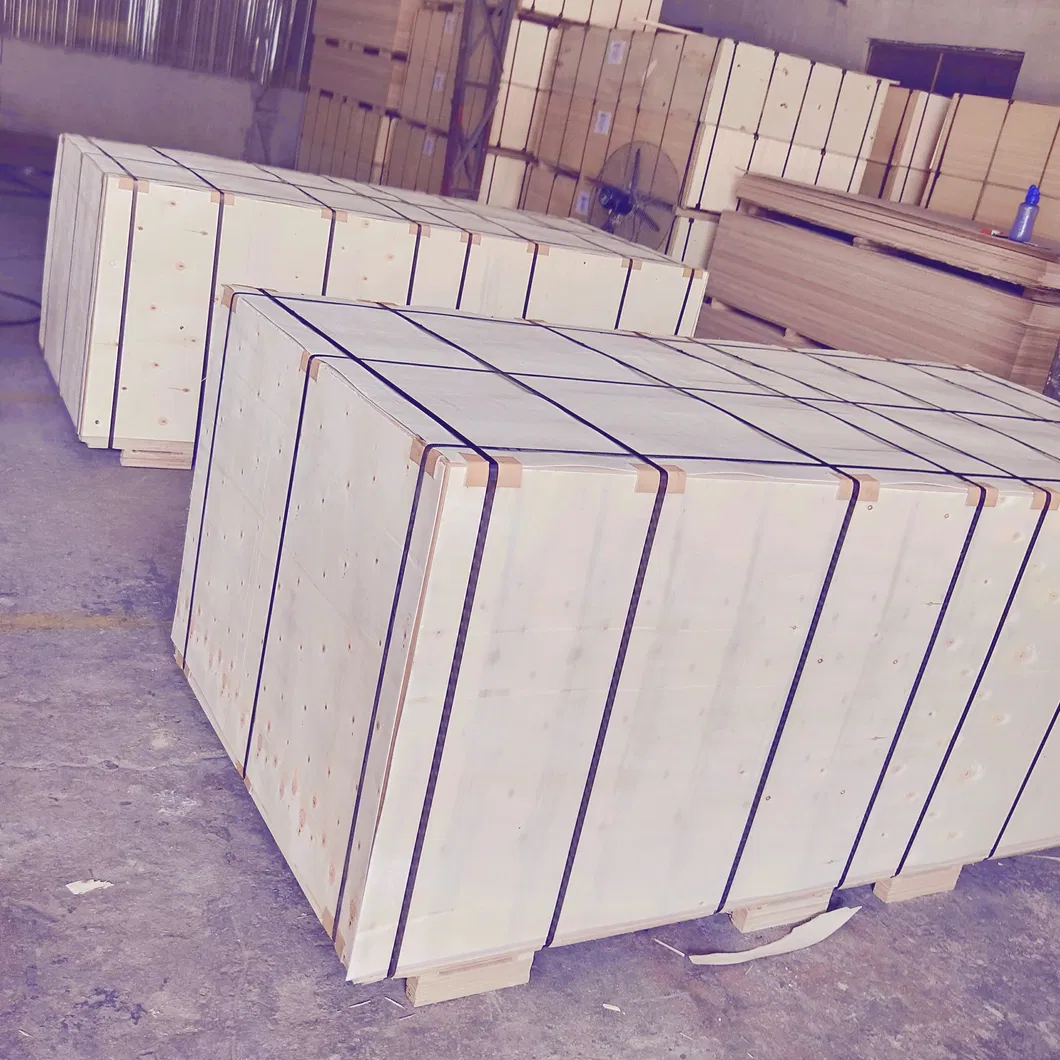
Loading Quantity
| Container Type | Pallets | Volume | Gross Weight | Net Weight |
|---|---|---|---|---|
| 20GP | 10 Pallets | 20 CBM | 13,000 KGS | 12,500 KGS |
| 40HQ | 20 Pallets | 42 CBM | 25,000 KGS | 24,500 KGS |
Frequently Asked Questions
What is the main application of structural plywood?
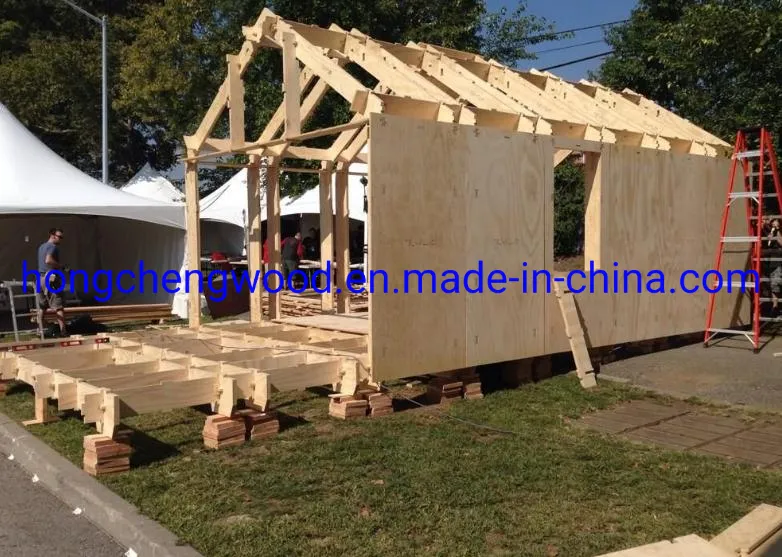
It is primarily used for permanent structural and engineered applications in domestic and light commercial building projects, such as flooring, roofing, and wall bracing.
Is this plywood moisture-resistant?
Yes, it is manufactured with Phenolic Resin or WBP Melamine glue, making it suitable for both indoor and outdoor applications when properly treated.
What does AS/NZS2269 certification mean?
This is a joint Australian and New Zealand standard for structural plywood, ensuring the material meets strict quality, safety, and performance criteria for construction.
Can the plywood be treated for termite resistance?
Yes, we offer treatments to H2, H3, or H4 standards. Additionally, a cost-effective bifenthrin glue line additive can be used to provide termite resistance.
What is the formaldehyde emission level of your plywood?
Our structural plywood meets E0 or Super E0 standards, which means it has very low formaldehyde emissions, ensuring it is safe for indoor use.
What wood species are used in the core?
The core is typically composed of high-quality Hardwood, Pine, Eucalyptus, or a combination of these species to ensure maximum strength.