 Regit Decor
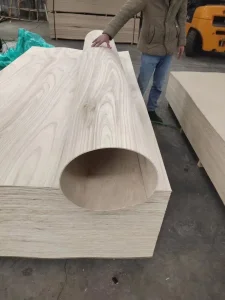
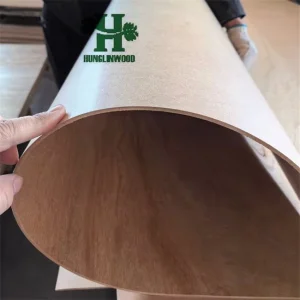
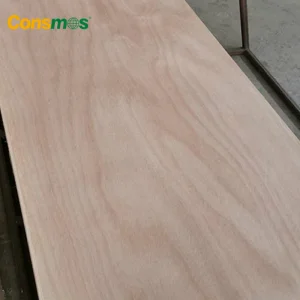
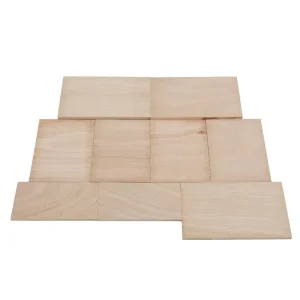
In Namibia's rapidly transforming construction landscape, developers and architects in urban centers like Windhoek and coastal hubs like Walvis Bay are moving away from traditional, blocky masonry structures in favor of organic, fluid, and biome-sensitive architecture. High-performance flexible plywood (commonly referred to in local trade as bendy plywood) is at the heart of this revolution. With Namibia's extreme climatic transitions—ranging from dry, inland heat of the Kalahari to the high-humidity marine breezes of Swakopmund—traditional wood products often experience warping, splitting, and core failure. Flexible plywood, engineered with precision grain orientation, offers the ideal mechanical response to these environment-specific stresses.
As the construction of modern offices, desert eco-lodges, and luxury coastal residences surges, the demand for high-end curvature cladding has reached unprecedented levels. The technical specification challenges for architectural curves are multifaceted: panels must not only bend to small radii without rupturing (face checking) but also maintain structural soundness under high-performance coatings or high-pressure laminates (HPL). Guangdong Regit Decor Co., Ltd. stands as a premier supply chain partner, helping Namibian designers bridge the gap between bold blueprints and actual engineering reality.
Guangdong Regit Decor Co., Ltd. is a distinguished brand that reflects a profound dedication to the natural world, craftsmanship, and artistic excellence. Rooted in the guiding principle of "understanding nature's great love and conveying its beauty," the company places sustainability at the heart of its product development. With a harmonious blend of natural aesthetics and practical functionality, Regit Decor has established itself as a leader in innovative and sustainable design, continually pushing the boundaries of what high-end decor can achieve.
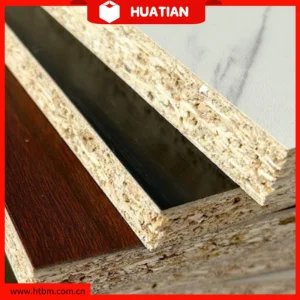
At Regit, sustainability is not just a commitment—it is a core value that shapes every facet of the brand. We take great care in selecting materials that not only meet international environmental standards but also offer exceptional performance and durability. Whether it's plywood for structural furniture frames, particle board and chipboard for foundational use, each material is chosen with the utmost attention to environmental impact, ensuring minimal resource waste and maximum efficiency. Through advanced processing techniques, we preserve the natural textures and stability of each material, elevating them into products that are as functional as they are beautiful.
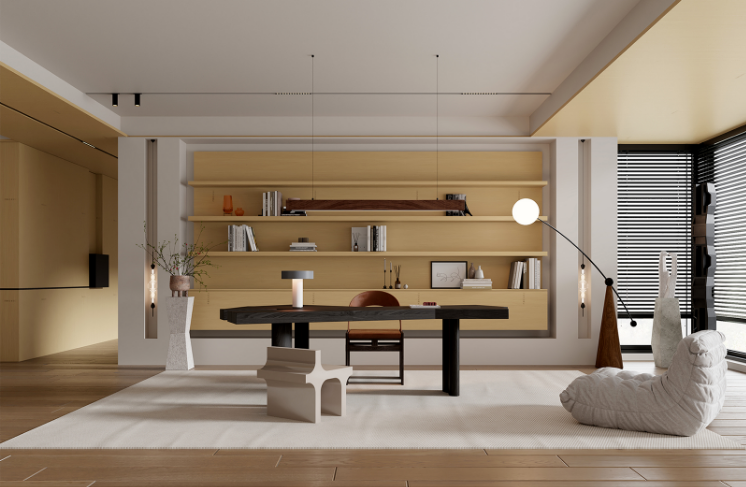
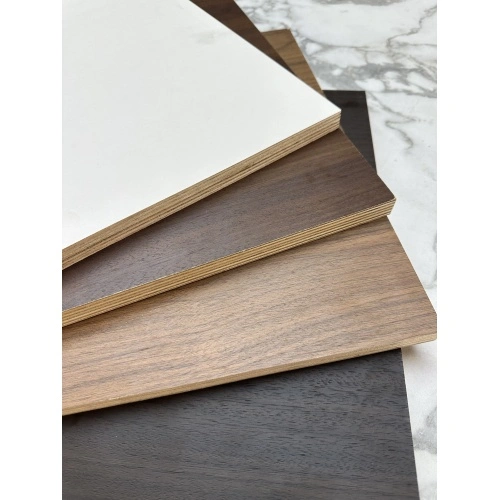
One of the key elements that sets Regit Decor apart is our innovative use of melamine board, which is carefully integrated into our designs. Known for its wear-resistant and moisture-proof characteristics, melamine board significantly enhances the longevity and resilience of our products. Beyond functionality, its diverse range of colors, patterns, and finishes allows us to infuse natural textures with aesthetic beauty, offering products that are both practical and visually striking. This fusion of nature and design creates pieces that are timeless and sustainable, elevating the spaces they inhabit.
Furthermore, Regit Decor is committed to integrating cutting-edge digital technology into the design and manufacturing process. By harnessing the power of digital tools, we are able to push the boundaries of traditional materials, reimagining the potential of plywood, particle board, chipboard, and melamine. This technology allows us to create products that are not only highly functional but also visually unique, breaking new ground in the high-end decor industry.
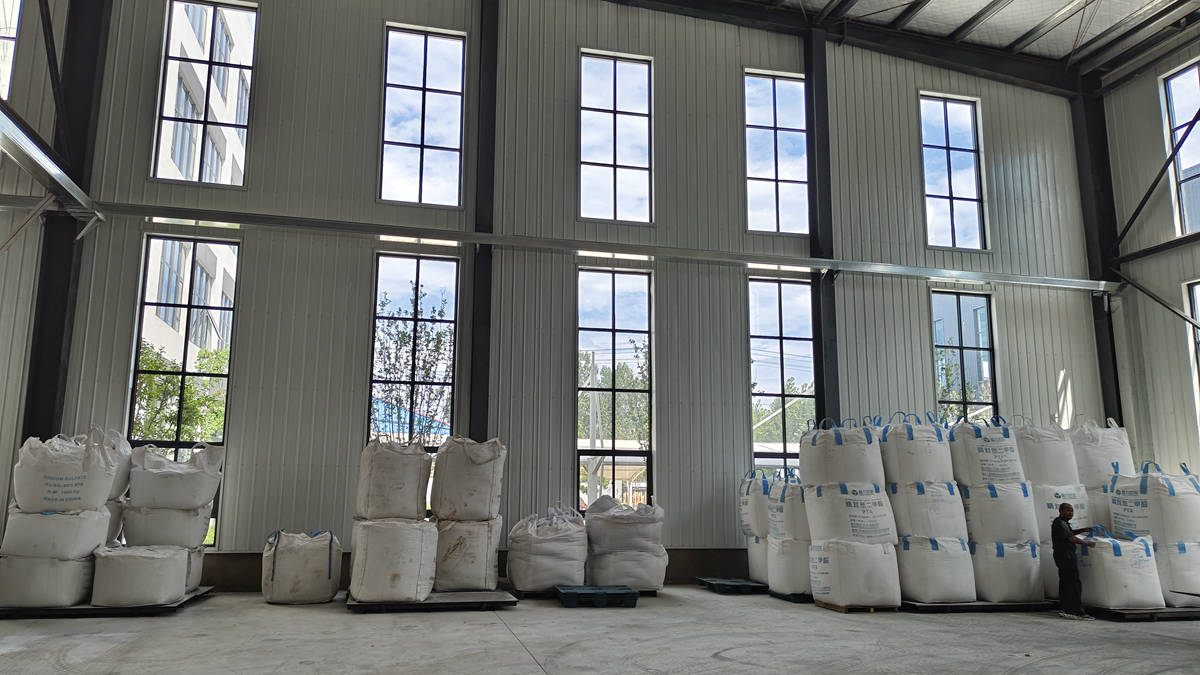
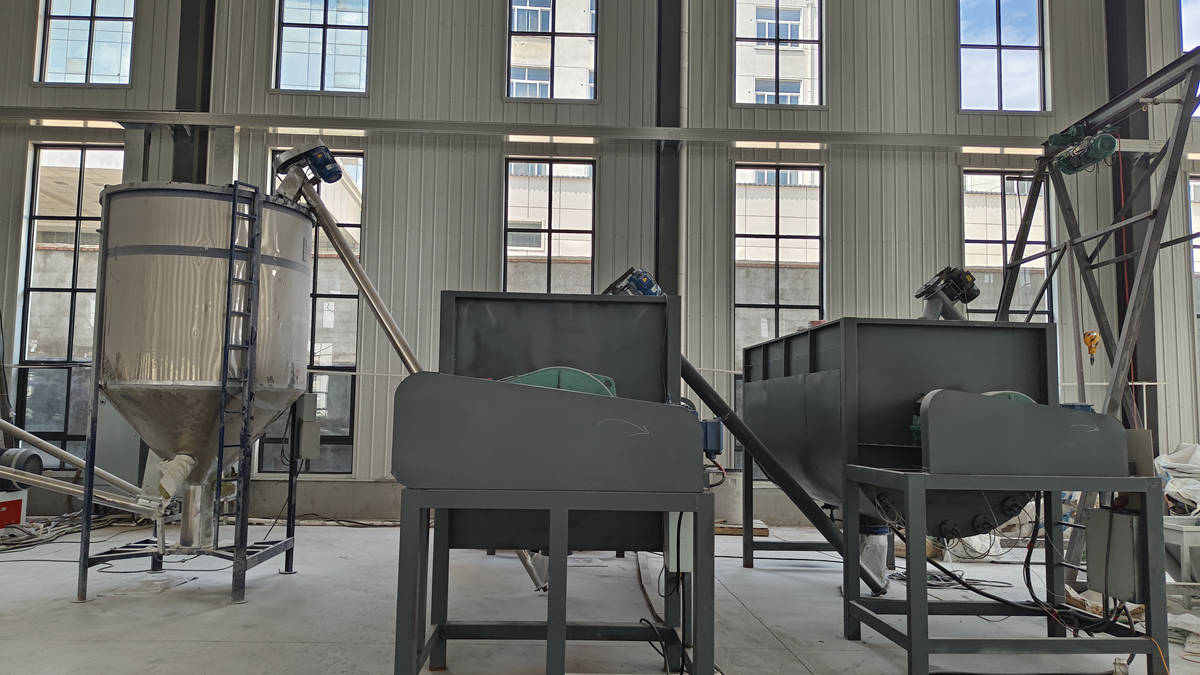
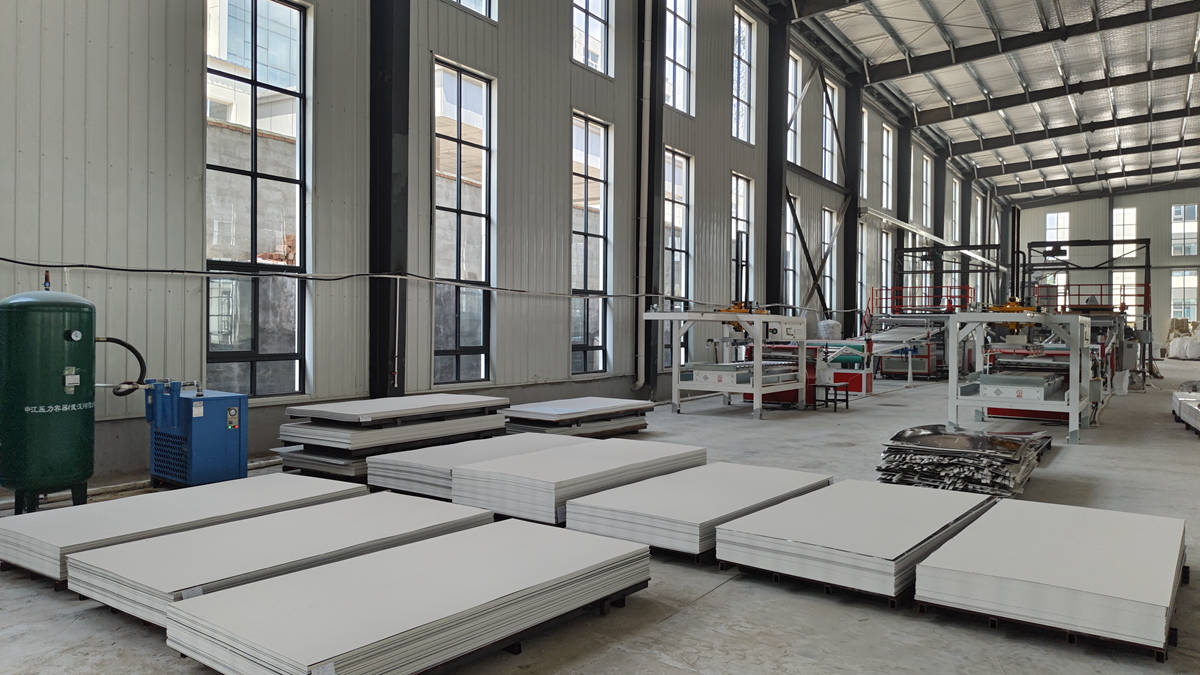
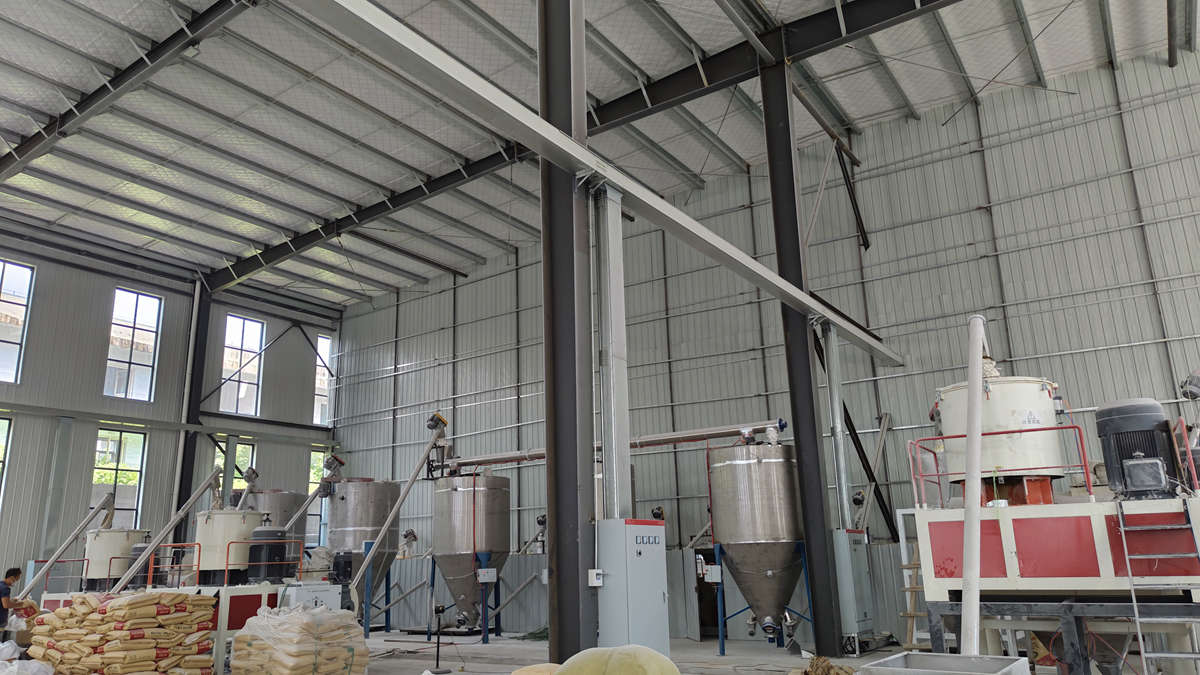
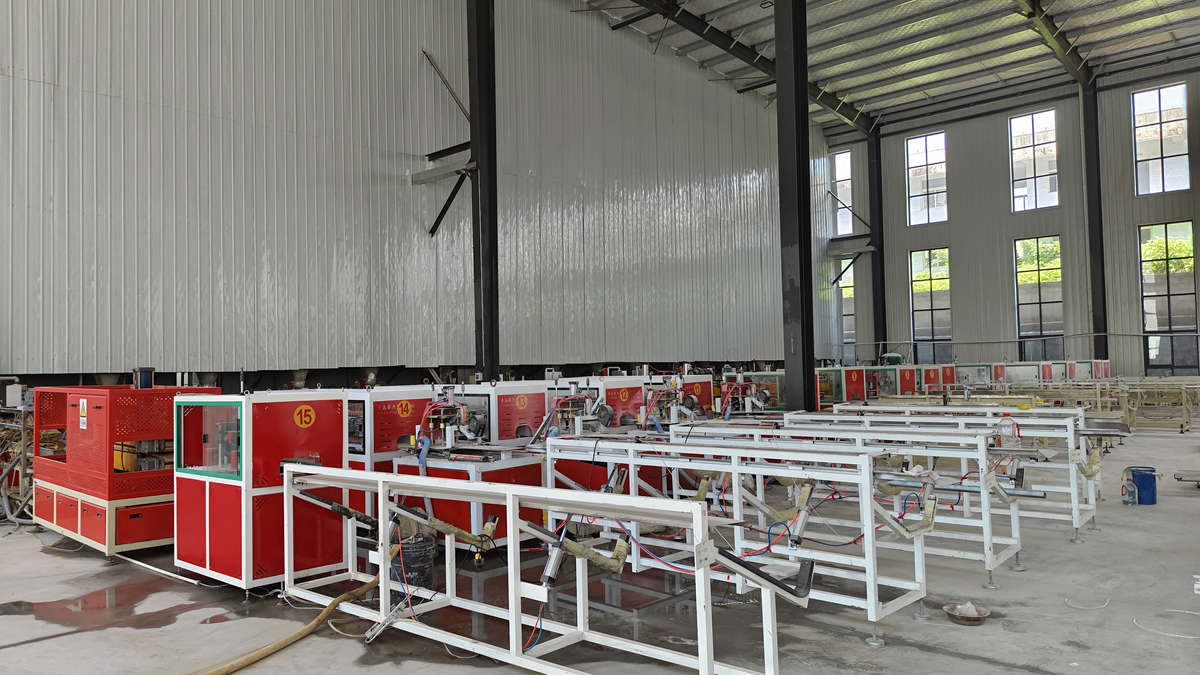
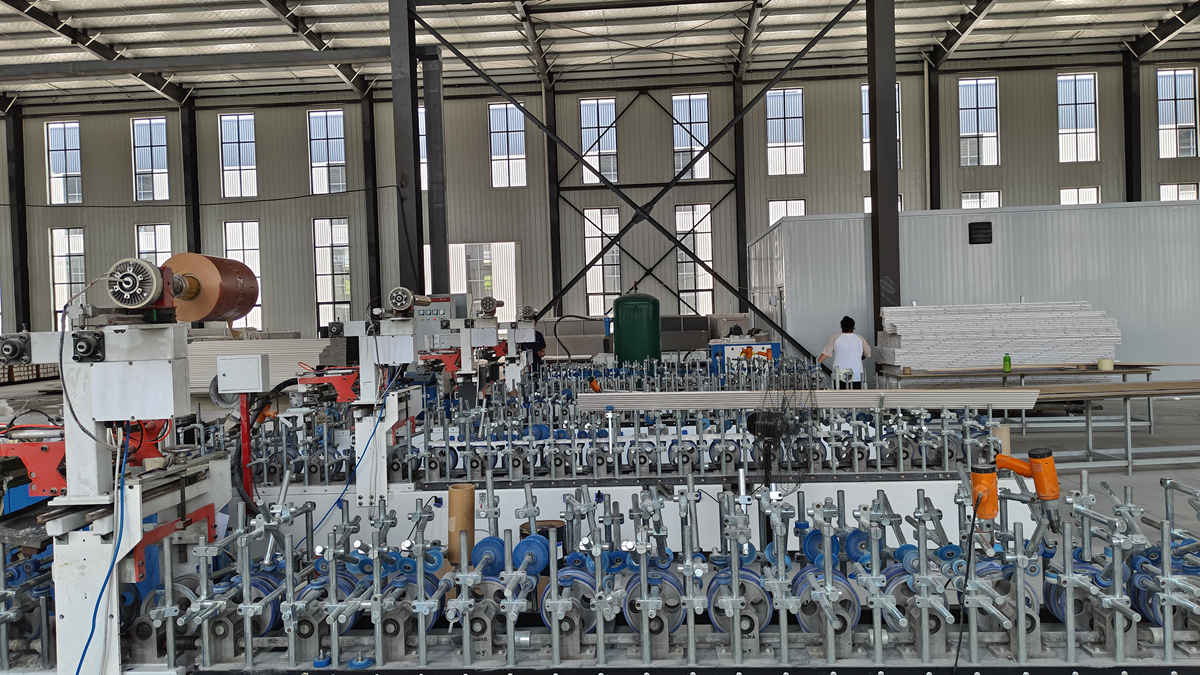
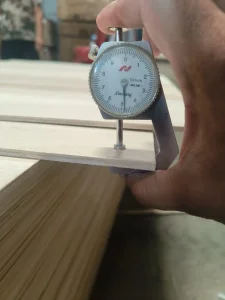
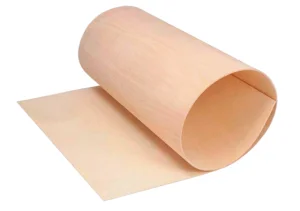
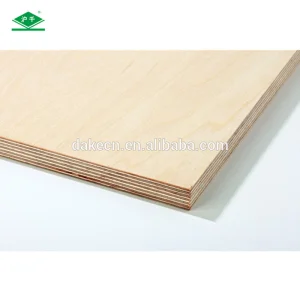
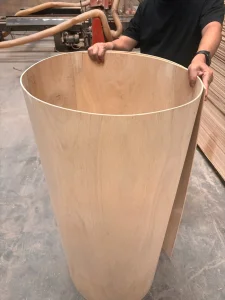
Designing structures with curved radii requires complex calculations of mechanical tension and wood elasticity. The primary engineering difference between conventional rigid plywood and flexible panels lies in the core ply layup configuration. In standard sheets, veneers are stacked in alternating perpendicular directions (cross-grain lamination) to optimize stability in two dimensions. In flexible plywood, the face veneers are placed with parallel grains, using specialized elastic species like Paulownia or Poplar, while the thin inner cores are bonded with specialized flexible resins to allow high flexural stress without fracturing.
For Namibia, this mechanical versatility is vital. Project developers in Windhoek must account for thermal cycling. During typical winter months, temperatures can range from sub-zero at night to over 25°C in the afternoon. In such environments, solid timber structures expand and contract along the grain, leading to joint splitting. Our flexible core panels act as a buffer, mitigating the mechanical pull of structural frames and preserving the integrity of face veneers. The integration of moisture-resistant resins (WBP Melamine and MR glue systems) ensures that installations in humid coastal regions like Swakopmund remain free from rot and delamination.
| Mechanical Characteristic | Poplar Core System | Paulownia Core System | Eucalyptus Core System |
|---|---|---|---|
| Density Range (kg/m³) | 380 - 450 | 280 - 320 | 550 - 620 |
| Flexural Strength Ratio | High Elasticity | Ultra-Lightweight / Mid-Bend | High Strength / Column Load-bearing |
| Common Application | Curved Wall & Ceiling Panelings | Bespoke Modern Cabinets & Wardrobes | Heavy Cylindrical Concrete Formwork |
| Standard Thicknesses | 3mm, 5mm, 8mm, 12mm | 3mm, 5mm, 8mm, 12mm | 9mm, 12mm, 15mm, 18mm |
Purchasing directly from Chinese factories provides Namibian commercial operators with a significant cost advantage. However, international logistics requires strict quality safeguards. Guangdong Regit Decor Co., Ltd. utilizes an advanced marine shipping configuration specifically designed for thin veneer products. Plywood shipments destined for the African continent are wrapped in heavy-duty moisture-proof polyethylene film, reinforced with high-strength edge protection, and securely strapped with steel bands onto robust shipping pallets. This packing format prevents marine humidity from entering the dry core veneers during transit.
With direct routes leaving Guangzhou, Nansha, and Shenzhen ports, shipments transit via major trade lanes straight to the Port of Walvis Bay. The expansion of the Walvis Bay container terminal ensures efficient customs clearance and fast transshipment to Windhoek via the Trans-Kalahari Corridor. This direct shipping flow bypasses regional South African ports, reducing transit times and handling fees for our clients, and guaranteeing that your project milestones are met on schedule.

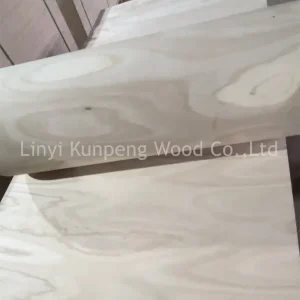
Eco-Tourism & Wilderness Lodges
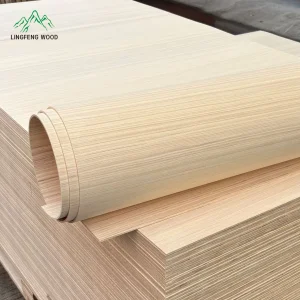
Namibia's luxury desert and safari lodges require natural curves to blend structures seamlessly into sand dunes and natural rock outcroppings. Our flexible Paulownia panels allow designers to build organic ceilings and round wall columns that match the surrounding geography.
Coastal Interior Finishes
Coastal homes and hotels in Swakopmund demand materials that resist moisture and salt air. Our specialized HPL-faced flexible sheets prevent wood decay and surface discoloration while retaining the dynamic curves of wave-inspired walls and counters.
Urban Commercial Fitting
Windhoek's high-rise offices and retail centers are adopting modern circular reception desks, arched door frames, and undulating acoustic ceilings. Lightweight 3mm and 5mm bendy plywood panels make on-site wood fabrication fast and reduce labor costs.
Start Your Curved Construction Project in Namibia Today
Get in touch with the technical sales team at Guangdong Regit Decor Co., Ltd. for factory pricing, material testing certifications, and custom sizing options.
Send Inquiry Now