Regit Decor
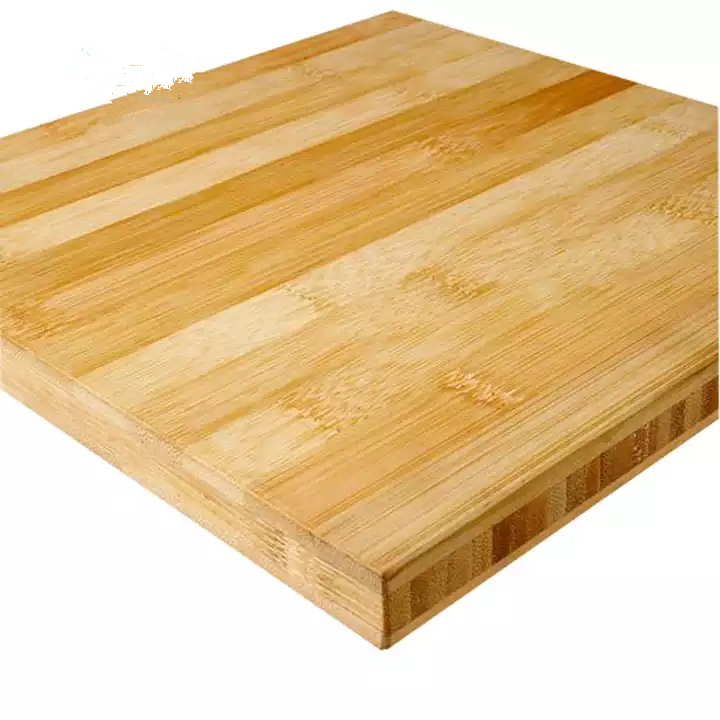
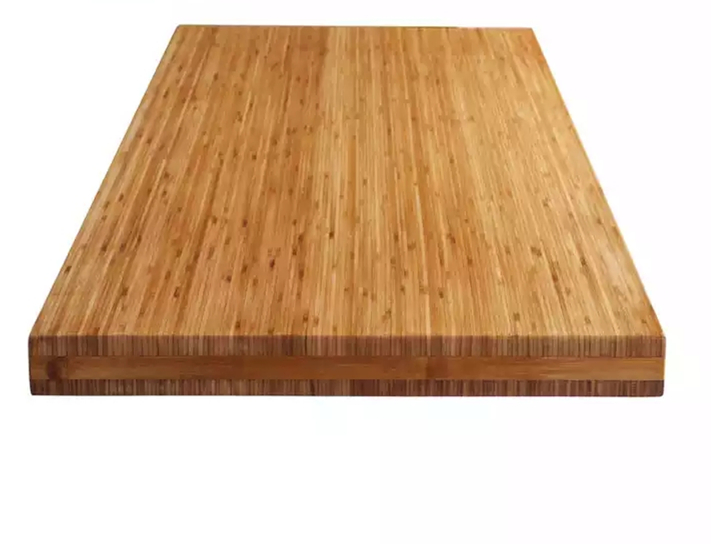
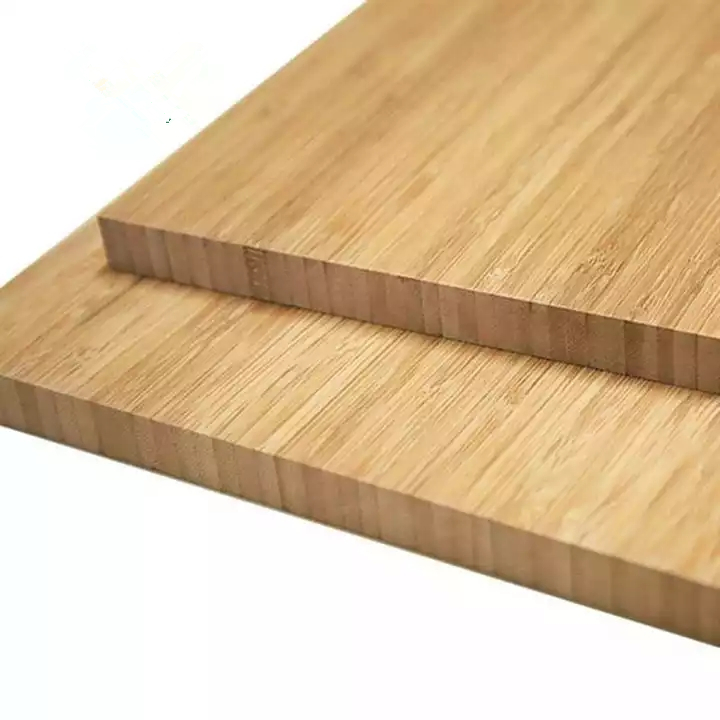
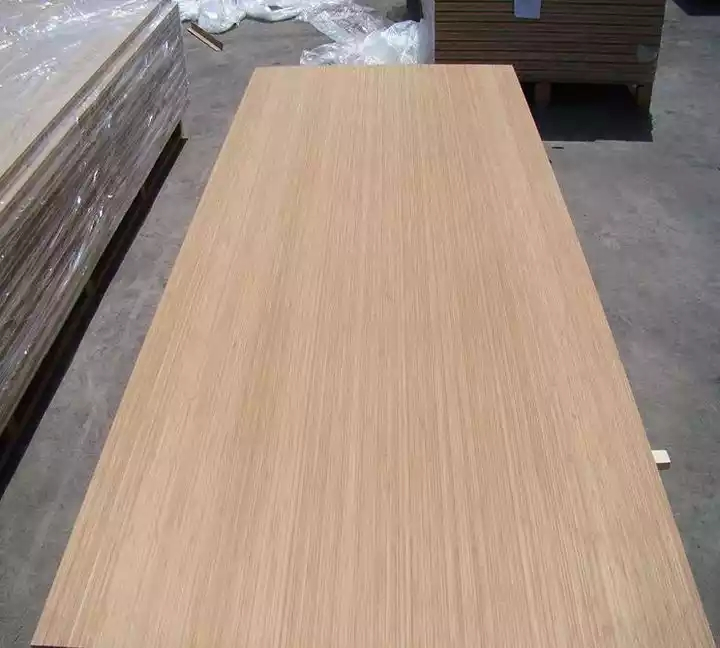
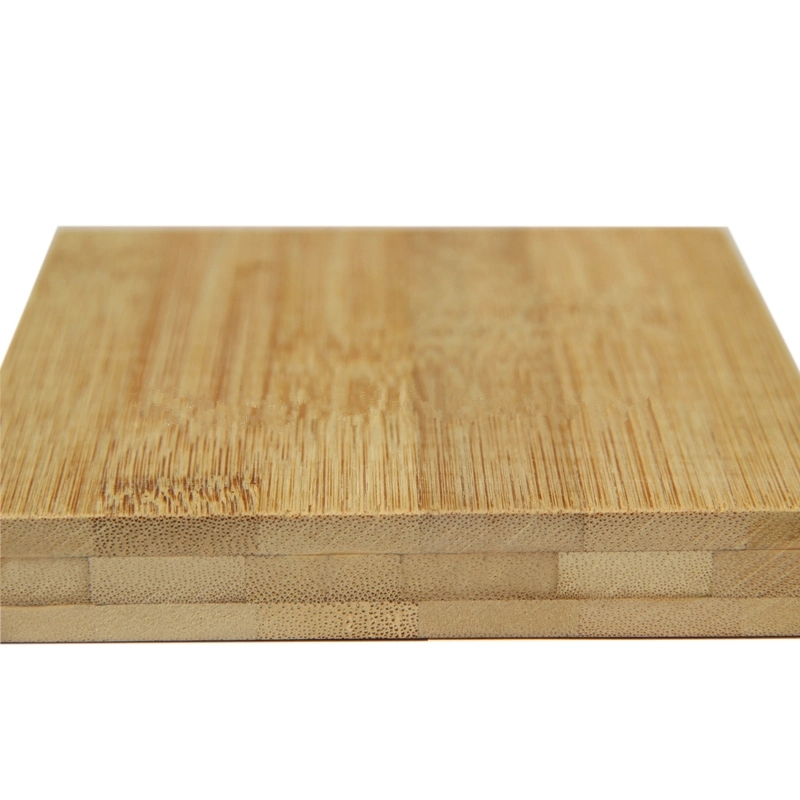
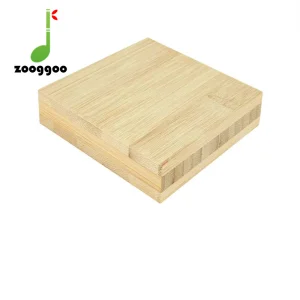
19mm 1 Layer Bamboo Board Plywood Sheet for Furniture Building
Product Description
Basic Information
Product Description
| Product name | 100% solid moso bamboo plywood for Furniture/Craft/Decorative/Construction | ||
|---|---|---|---|
| Thickness | 3-45 mm or custom | Size | 1220*2440 mm, 915*2135 mm, 1250*2500 mm |
| Color | Carbonized / Custom Stain | Finishing | UV / Woca oil |
| Density | ±680 kg/m3 | Moisture | 8-12% |
| Fire-resistant | B-s1, d0 (EN13501) | Durability | Class 1-2 (EN350) |
| Application | Interior decorative, exterior building, house, school, museum, hotel, project solution | ||
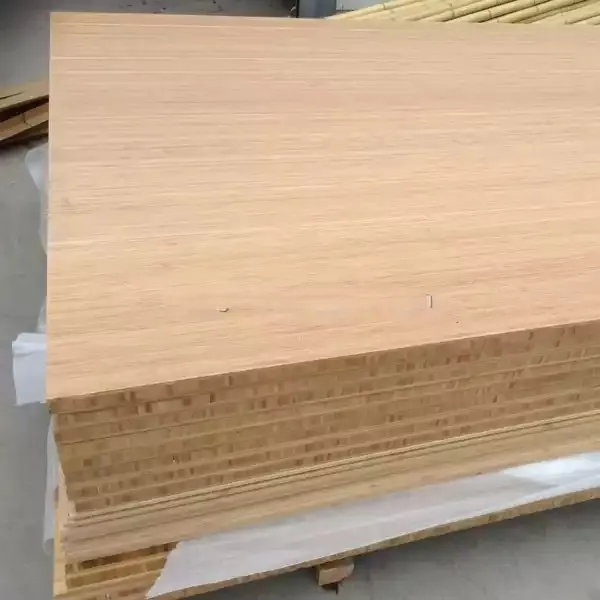
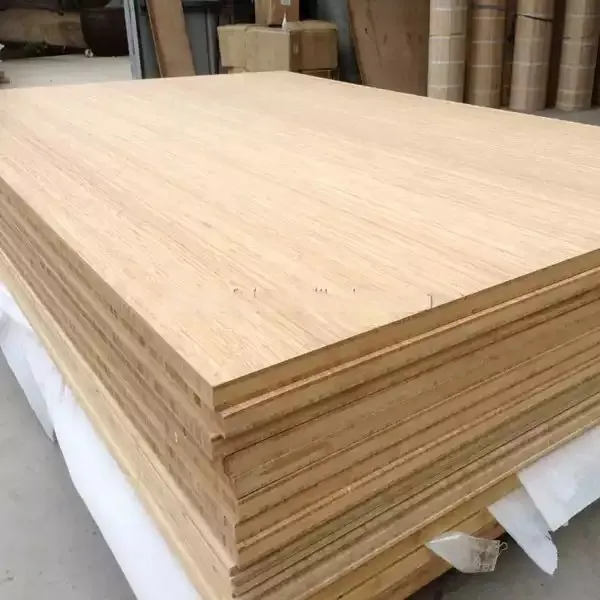
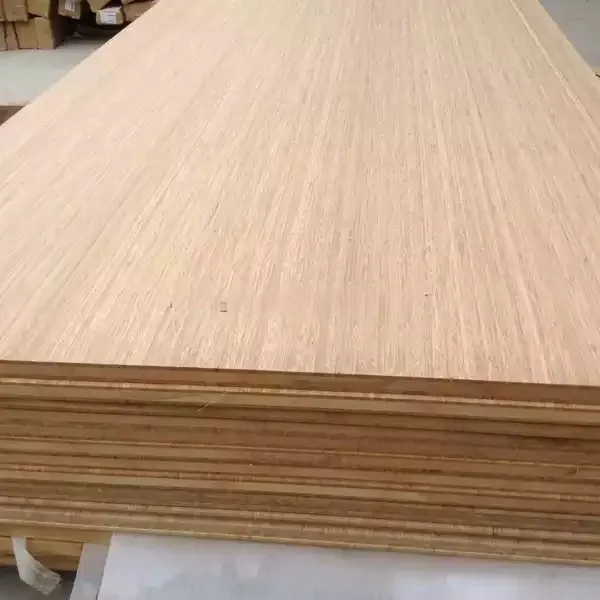
How the Bamboo Plywood is Made
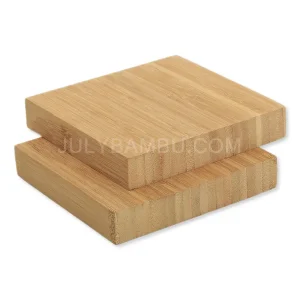
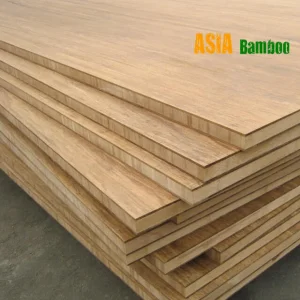
The bamboo plywood is made of moso bamboo, a rapidly renewable resource for building materials. Bamboo can grow up to 1 meter per day. Our plywood is widely used for flooring, decking, wall-covering, beams, boards, and worktops, meeting the highest safety and hardness requirements.
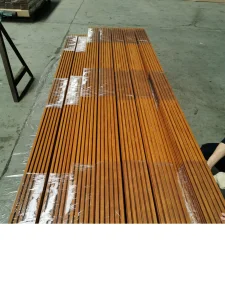
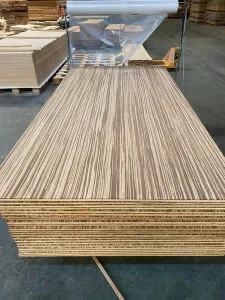
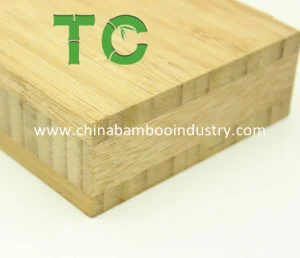
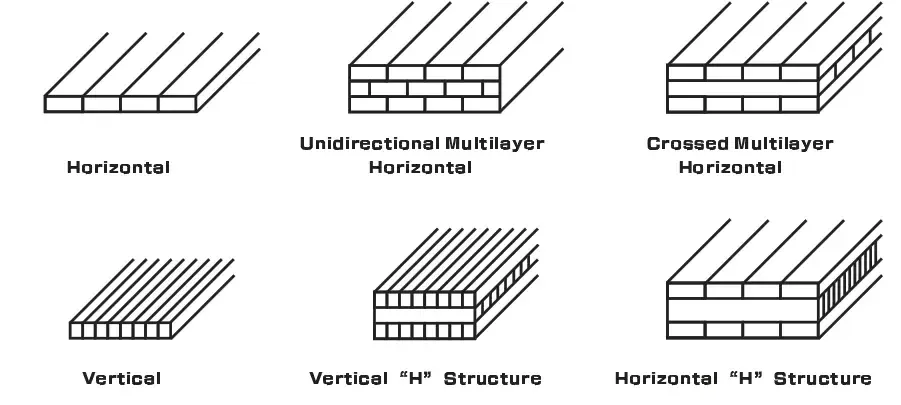
We cut the bamboo into strips and select them based on thickness and structure. After drying, we assemble them into vertical or horizontal structures. Vertical structures offer enhanced stability.
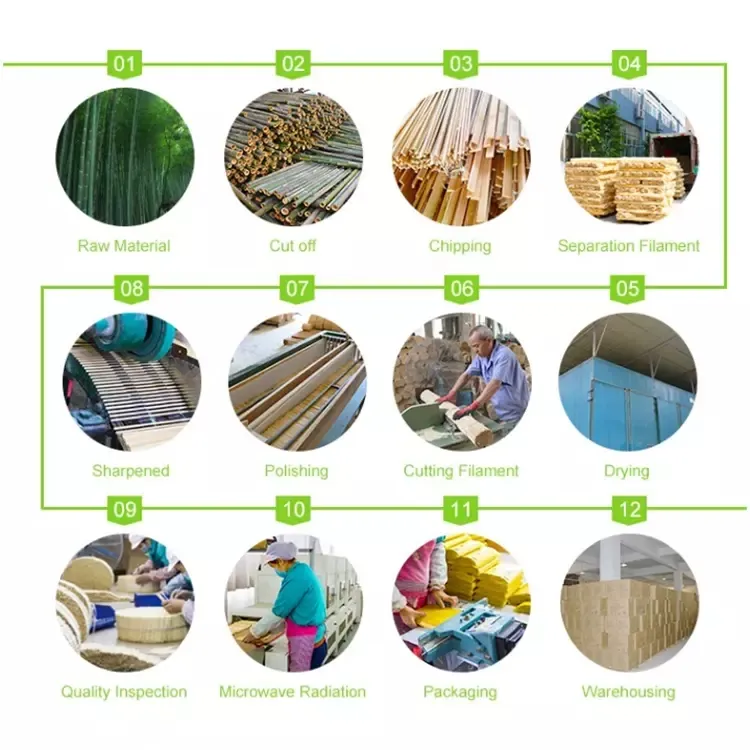
Structure Details
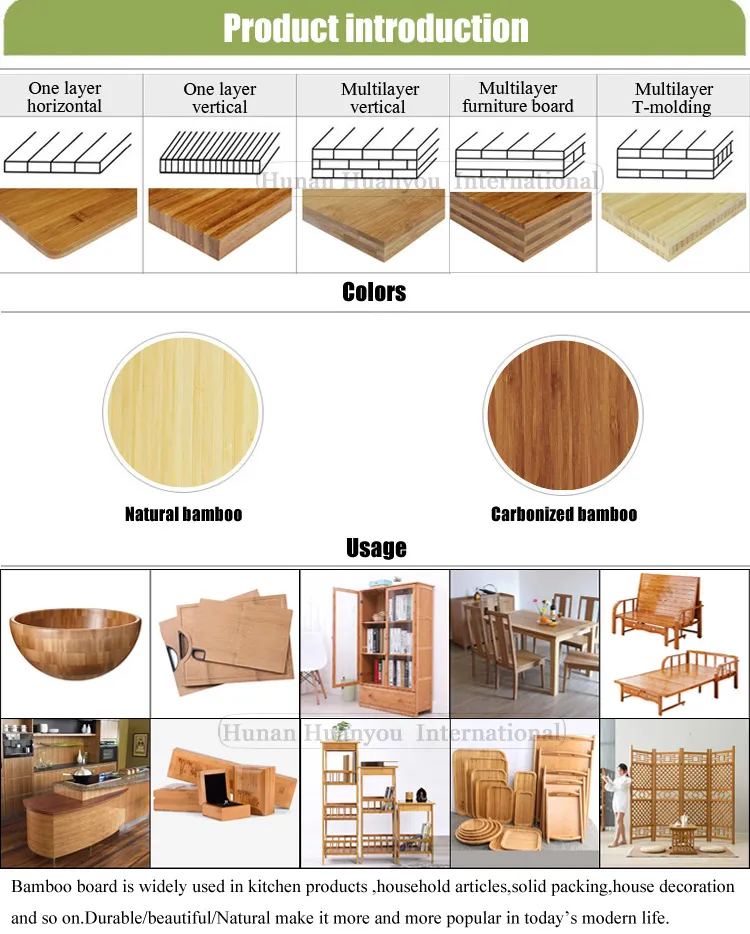
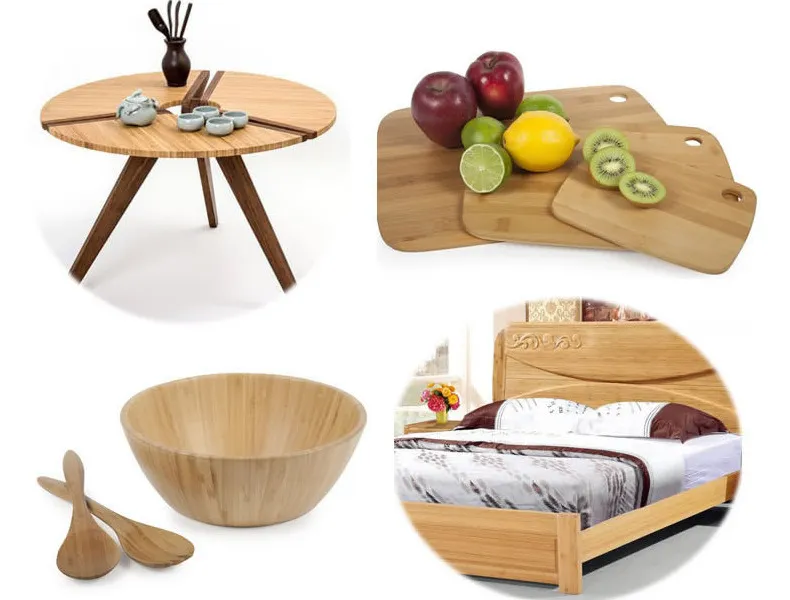
Wide Applications
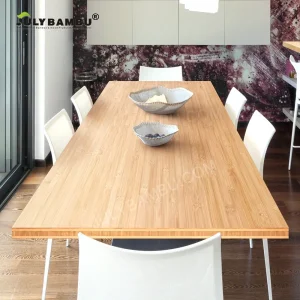
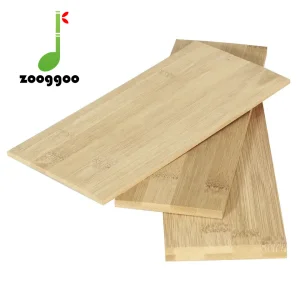
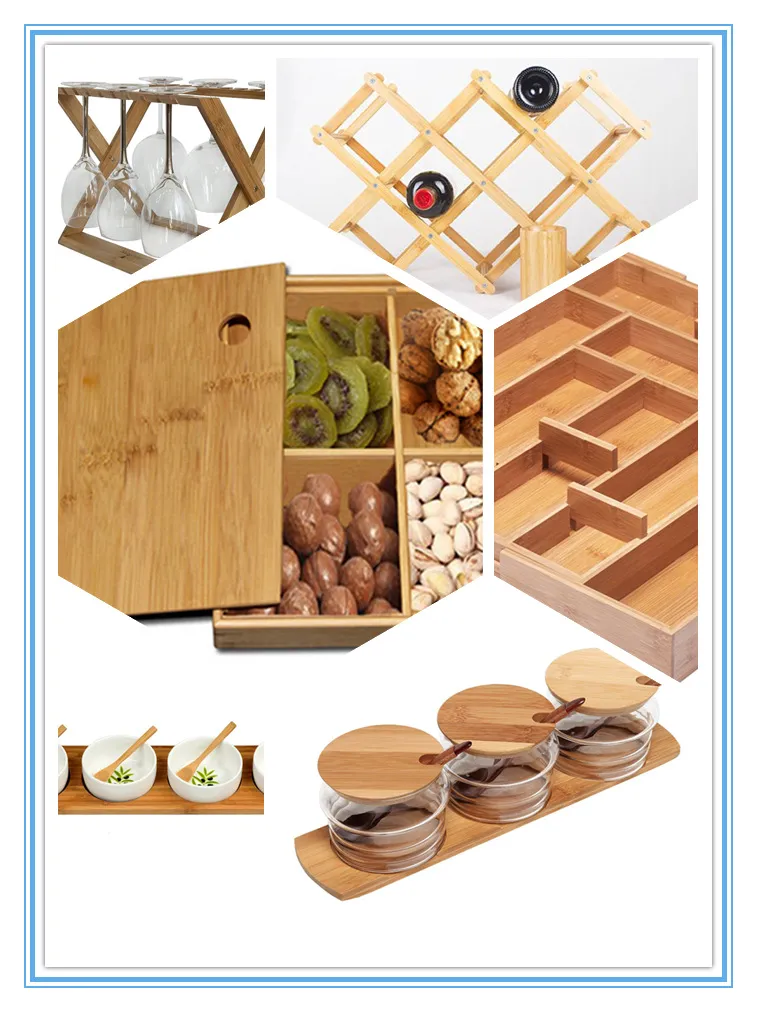
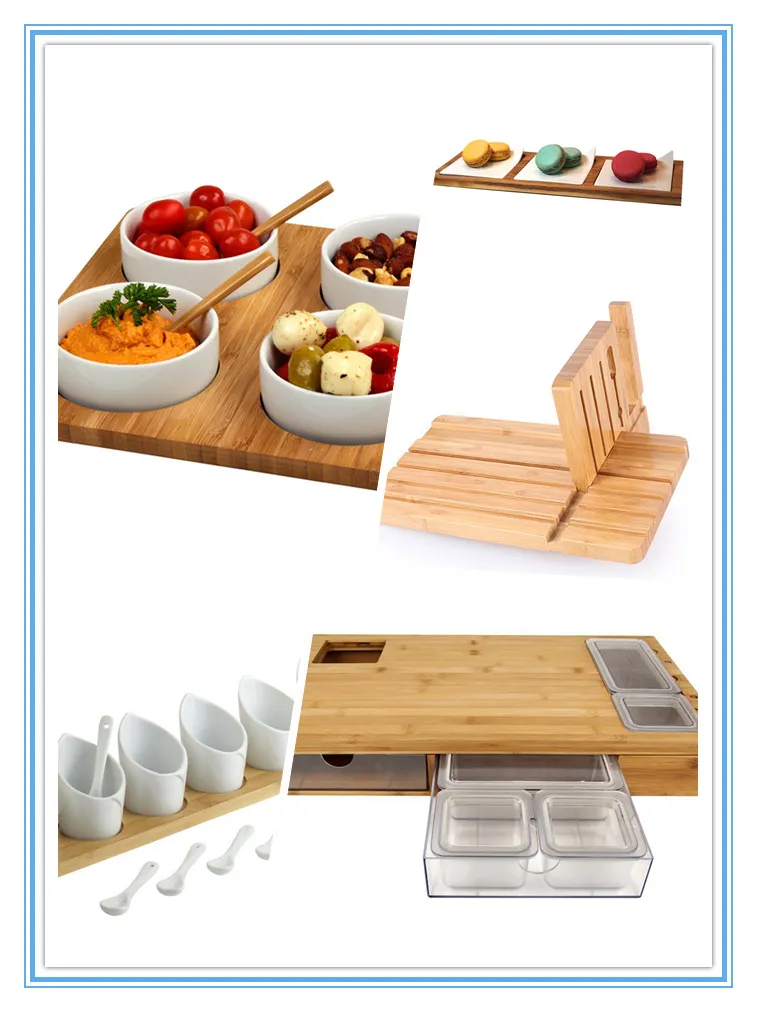
Bamboo panel is ideal for customized furniture, worktops, staircases, cabinets, decoration, and kitchenwares such as drawers, chopping boards, cheese boards, and bamboo plates.
Quality Inspection & Systems
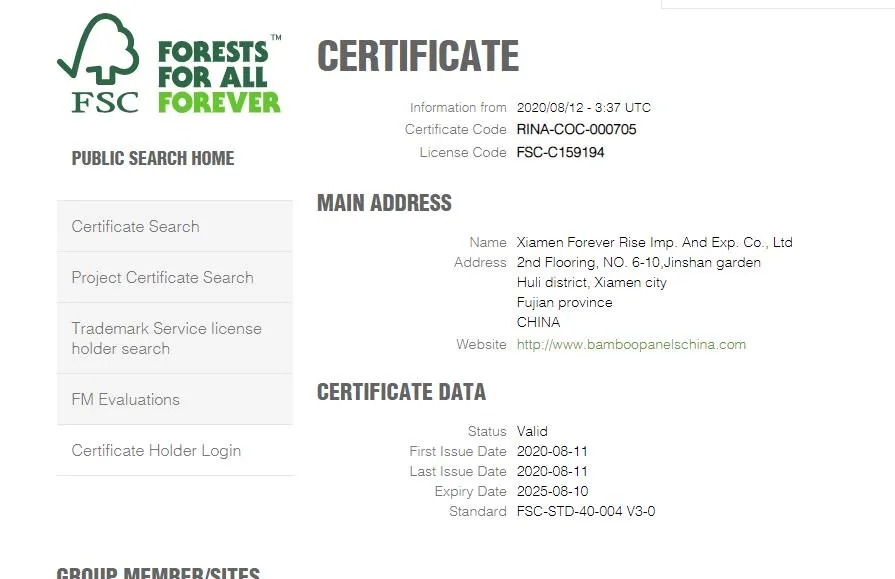
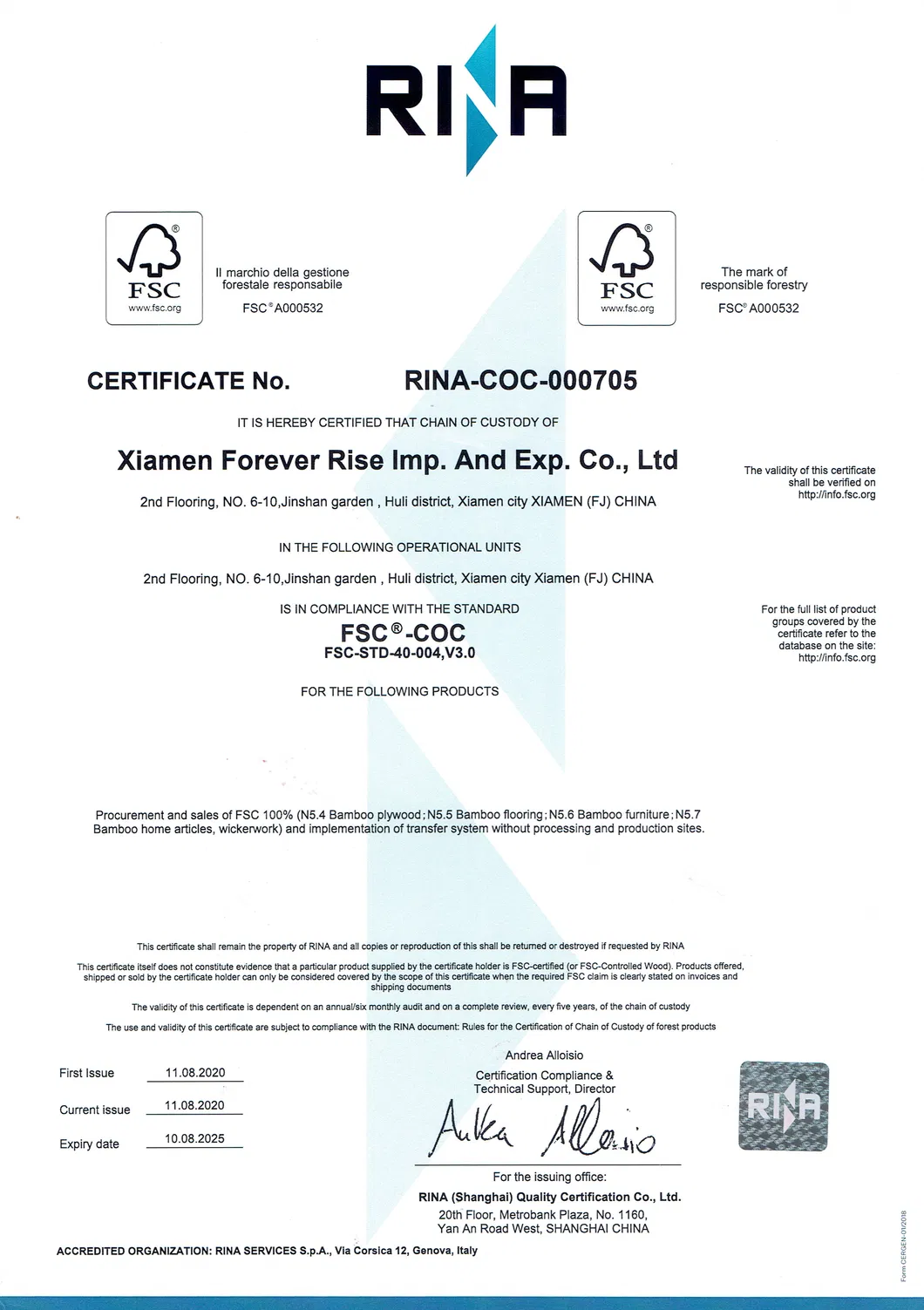
All bamboo panels are produced and exported based on FSC and BSCI systems, with strict quality inspections throughout the process.