 Regit Decor
High-Performance Architectural Panels
Engineered specifically to withstand intense humidity variations in the East African Rift Valley region while maintaining structural flatness.
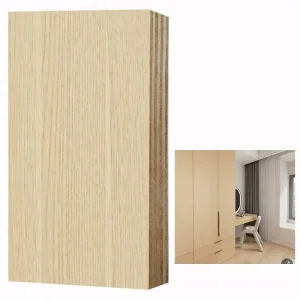
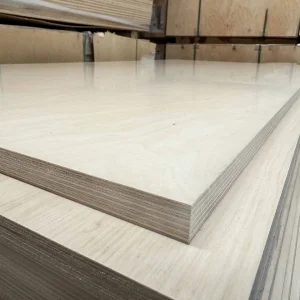
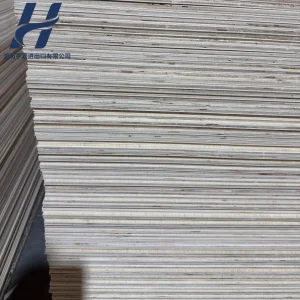
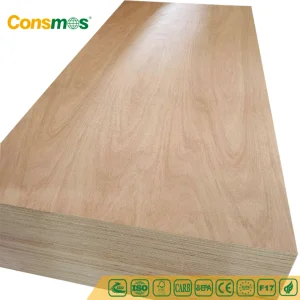
Decoding South Sudan's Timber Demand: Localized Commercial Realities
South Sudan, particularly the rapidly urbanizing capital of Juba, is undergoing a pivotal transformation in construction and interior development. Post-conflict reconstruction, paired with international NGO developments, state government infrastructure projects, and the expansion of modern hospitality centers along the Nile, has driven an unprecedented demand for premium furniture-grade materials.
However, local timber resources are heavily constrained by processing capacities and environmental sustainability mandates. Uncontrolled deforestation is strictly monitored, which forces commercial buyers, contractors, and national cabinet fit-out companies to source high-end processed panels from global manufacturing hubs like China.
The East African climate presents a unique engineering challenge for interior boards. With dry, dusty winds during the dry season and extreme humidity spikes in the rainy periods, lower-tier particle boards and poorly bonded plywood suffer from rapid delamination and warping. Modern architects in South Sudan now demand E0 and E1 standard formaldehyde emission cores with calibrated moisture content (averaging 8% to 12%) to secure structural integrity over decades.
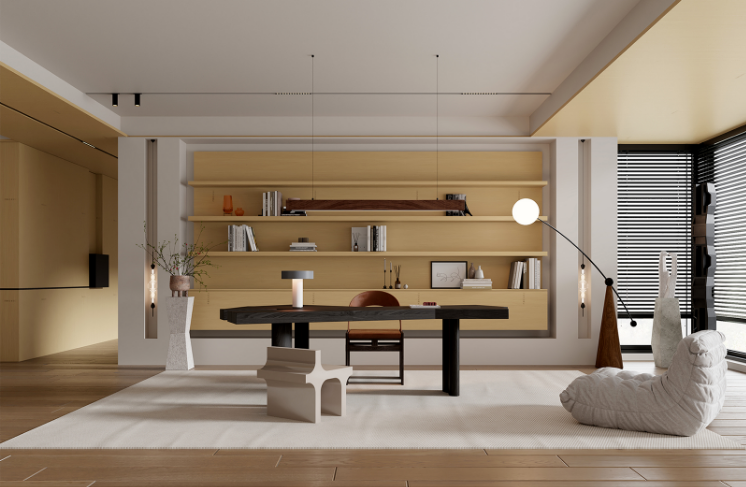
The Global Wood Panel Paradigm Shift
Key macroeconomic trends and environmental standards driving global sourcing policies in 2024 and beyond.
Globally, the timber board industry is abandoning urea-formaldehyde heavy resins in favor of advanced polymeric diphenylmethane diisocyanate (pMDI) and clean phenolic glues. Environmental compliance certifications (such as FSC, EPA TSCA Title VI, and CARB Phase 2) are no longer premium upgrades—they are standard requirements for commercial procurement agents supplying corporate environments, healthcare centers, and high-end residential towers in Juba, Nairobi, and worldwide.
China Factory 4.0: Unleashing Supply Chain Resilience
How Guangdong Regit Decor Co., Ltd. guarantees continuous high-precision output, cost optimization, and secure logistics paths to Mombasa and Juba.
Automated Core Veneer Calibration
By leveraging high-speed rotary lathes and moisture detectors, every single eucalyptus and poplar ply is dried to a precise 6%-8% moisture content before assembly, preventing warping and interior stress.
Double Hot Pressing (DHP) Technology
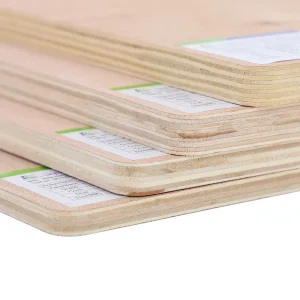
Our panels undergo a pre-pressing stage, followed by dual industrial-grade hot press treatments at high temperatures. This enhances internal bond strength (exceeding 1.0 MPa) and guarantees clean, void-free core cross sections.
Advanced Surface Sanding & Melamine Fusion
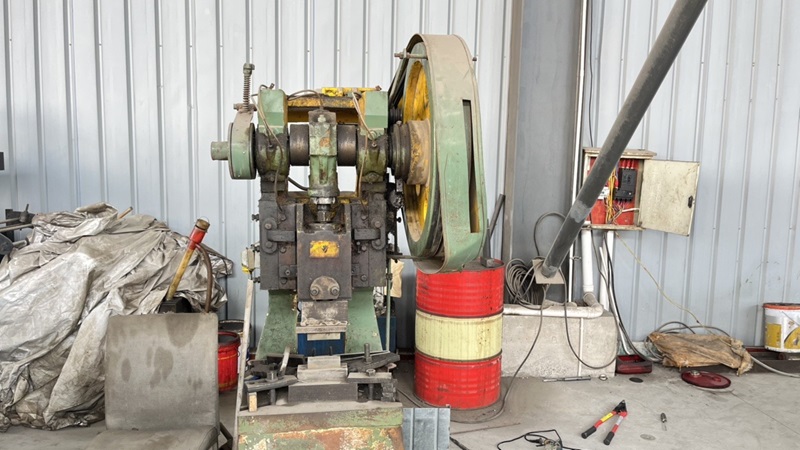
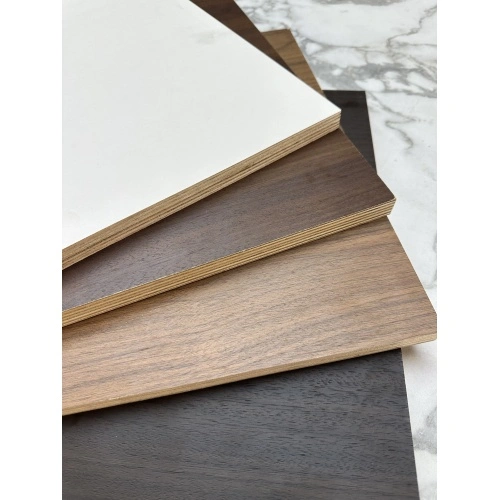
Equipped with Italian Steinemann wide-belt sanding machines, we guarantee thickness tolerances within ±0.2mm. Surface melamine impregnation delivers high scratch, abrasion, and moisture-proof capabilities.
Corporate Vision & Sustainability Commitments
Guangdong Regit Decor Co., Ltd. is a distinguished brand that reflects a profound dedication to the natural world, craftsmanship, and artistic excellence. Rooted in the guiding principle of "understanding nature’s great love and conveying its beauty," the company places sustainability at the heart of its product development. With a harmonious blend of natural aesthetics and practical functionality, Regit Decor has established itself as a leader in innovative and sustainable design, continually pushing the boundaries of what high-end decor can achieve.
At Regit, sustainability is not just a commitment—it is a core value that shapes every facet of the brand. We take great care in selecting materials that not only meet international environmental standards but also offer exceptional performance and durability. Whether it's plywood for structural furniture frames, particle board and chipboard for foundational use, each material is chosen with the utmost attention to environmental impact, ensuring minimal resource waste and maximum efficiency. Through advanced processing techniques, we preserve the natural textures and stability of each material, elevating them into products that are as functional as they are beautiful.
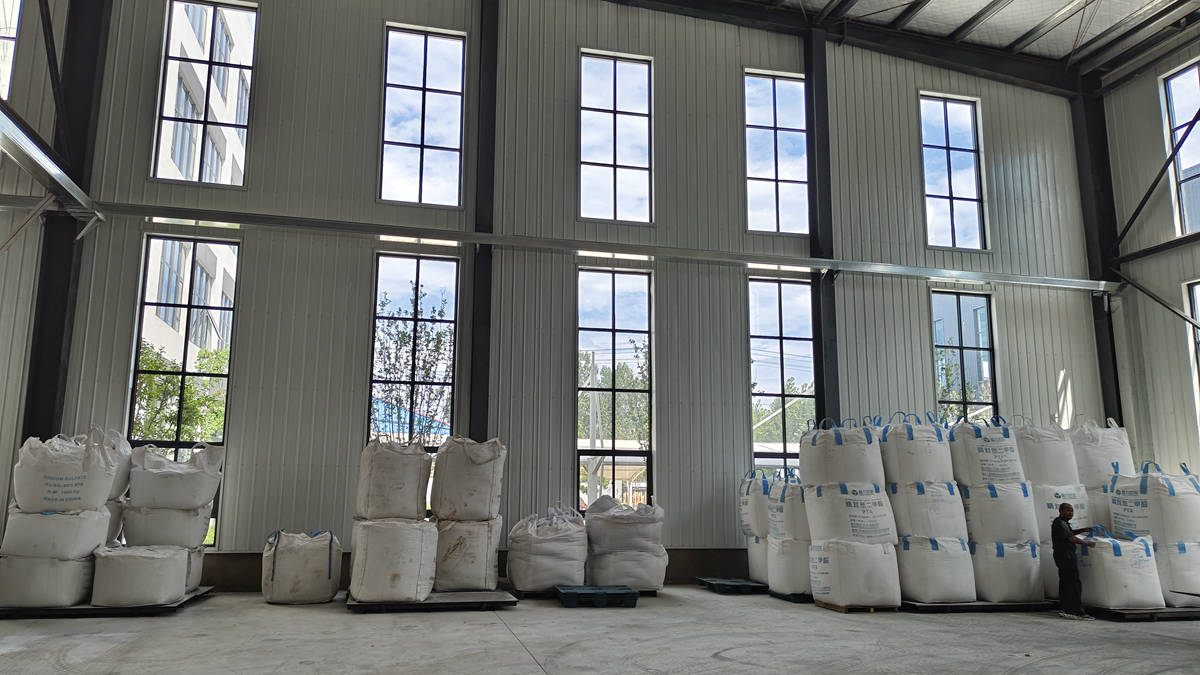
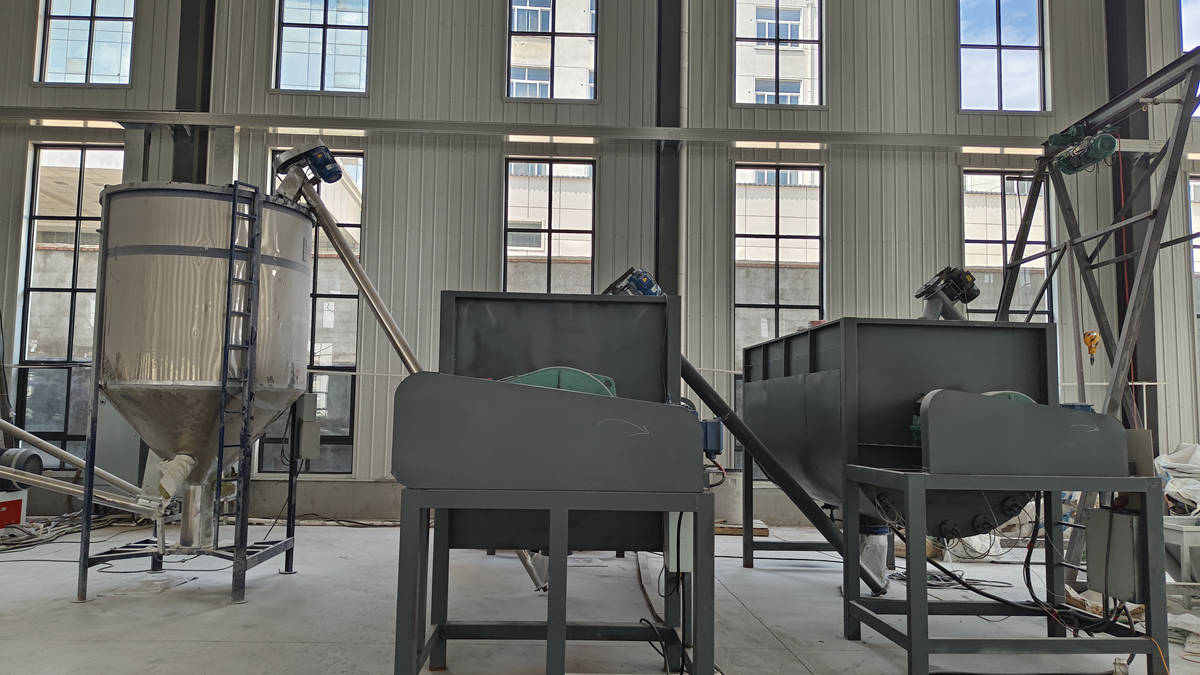
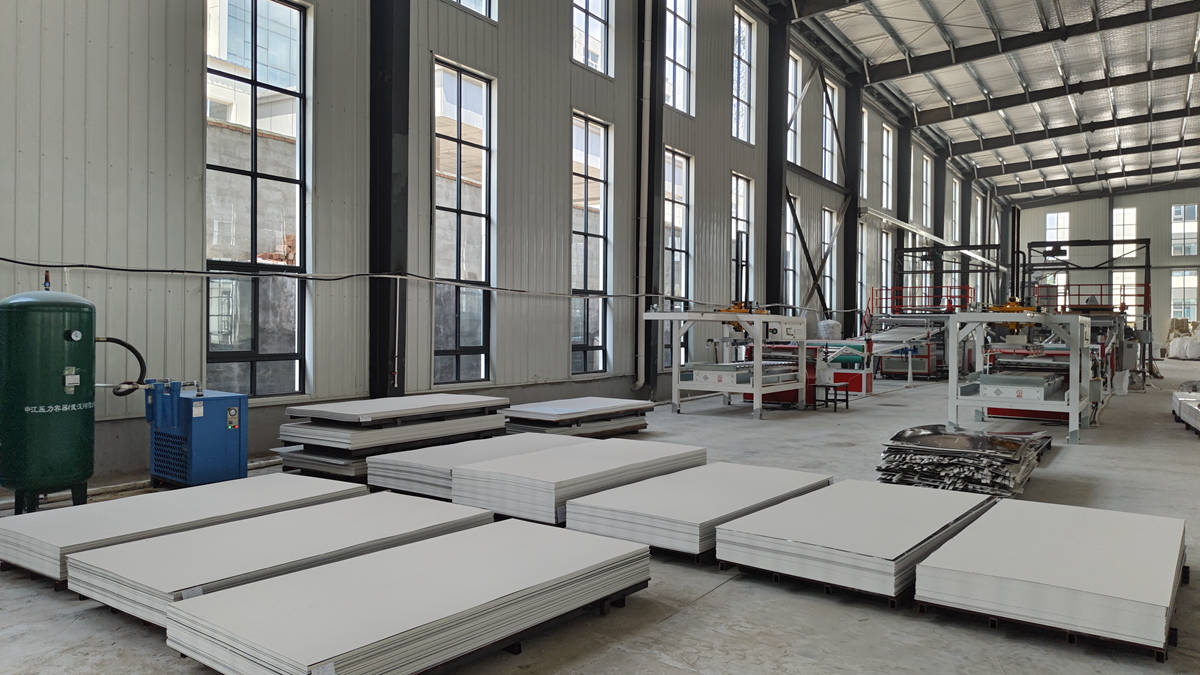
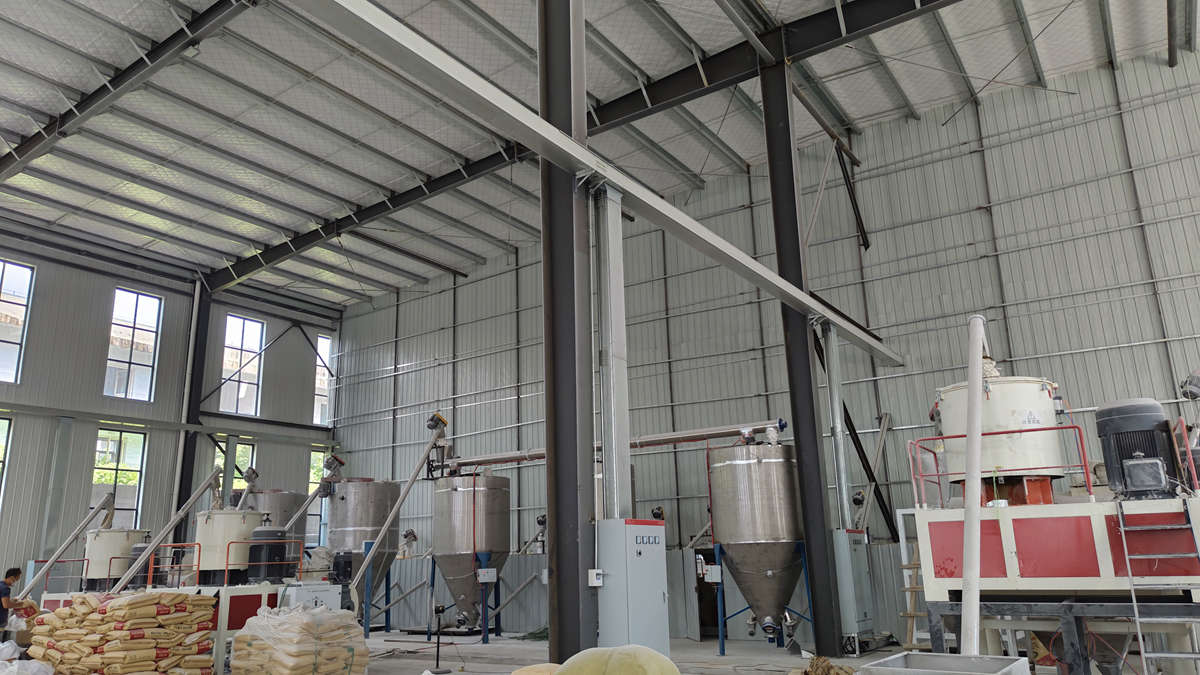
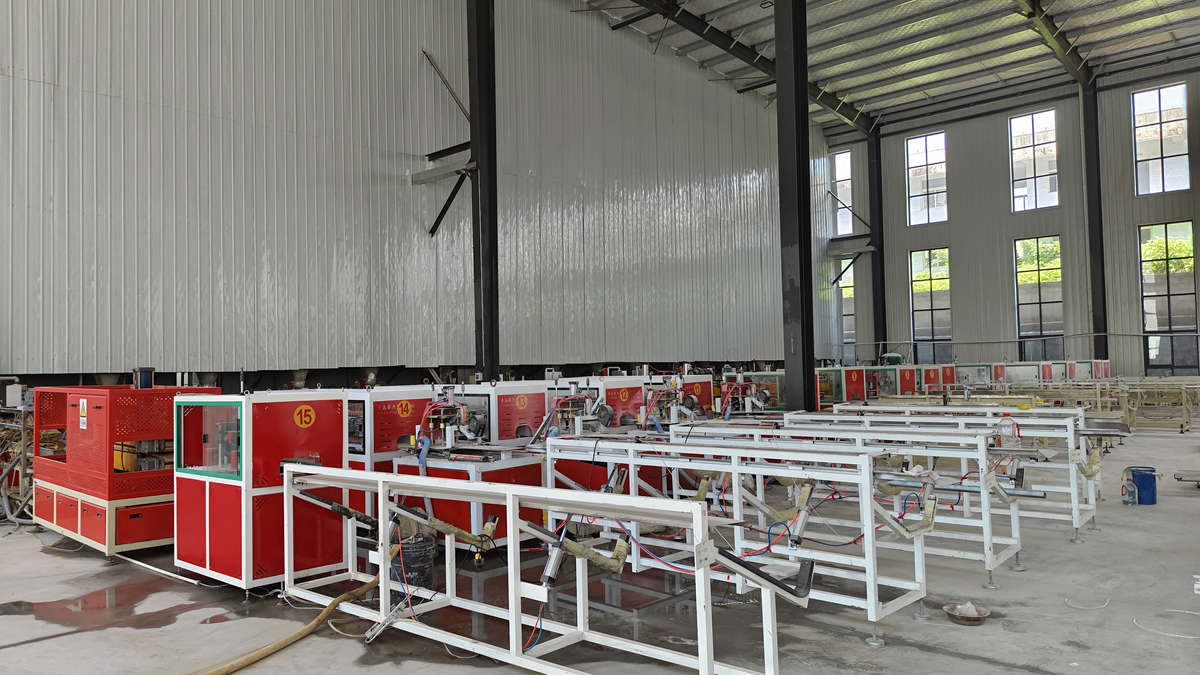
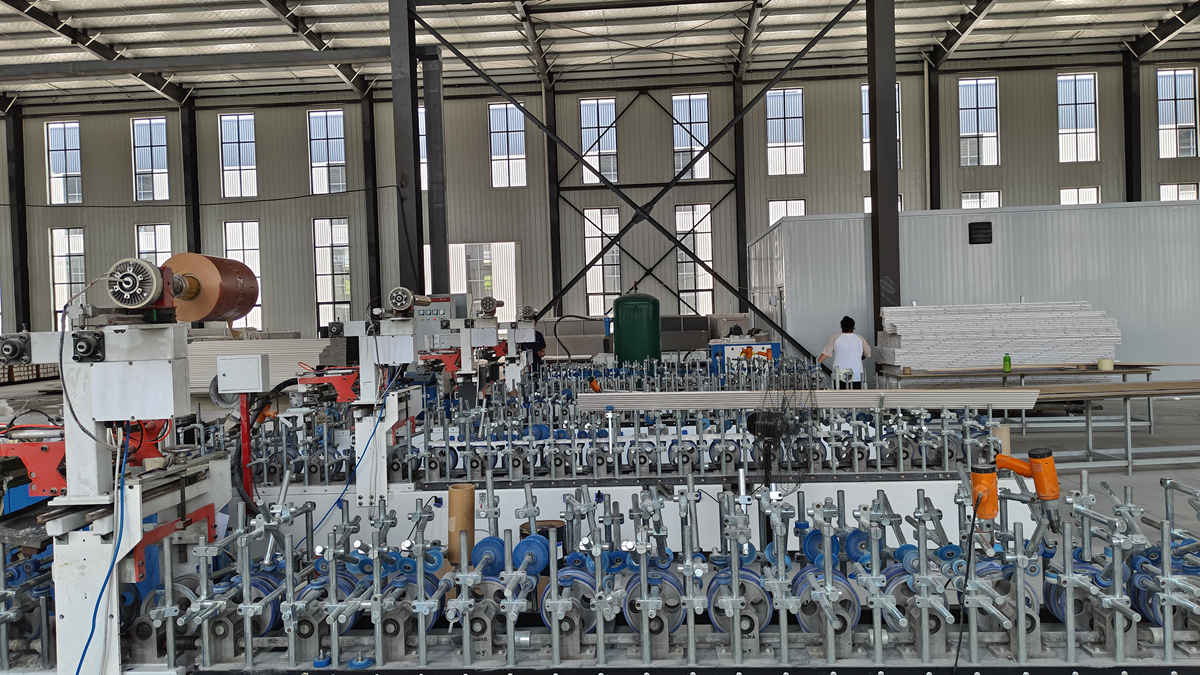
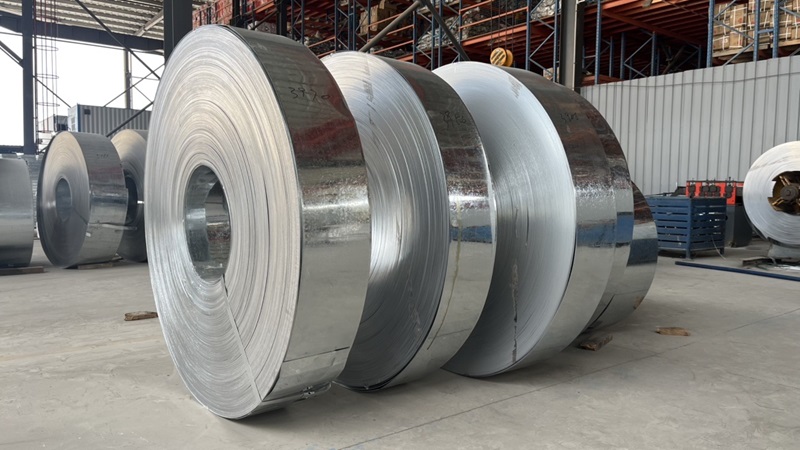
Industrial Intelligence & Operational Transparency
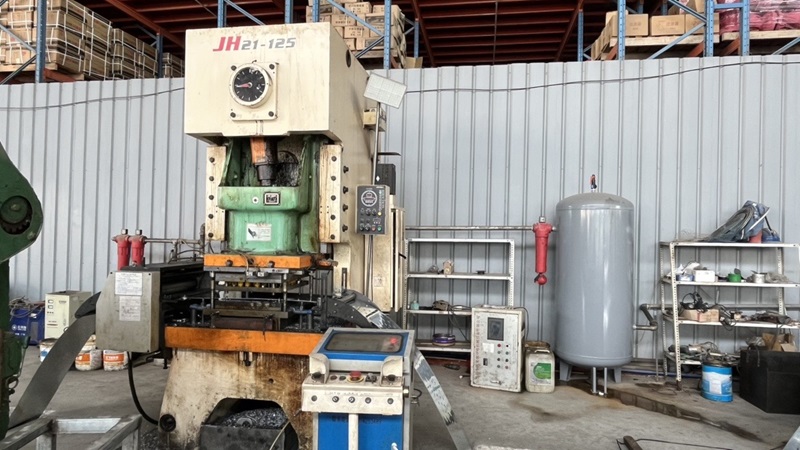
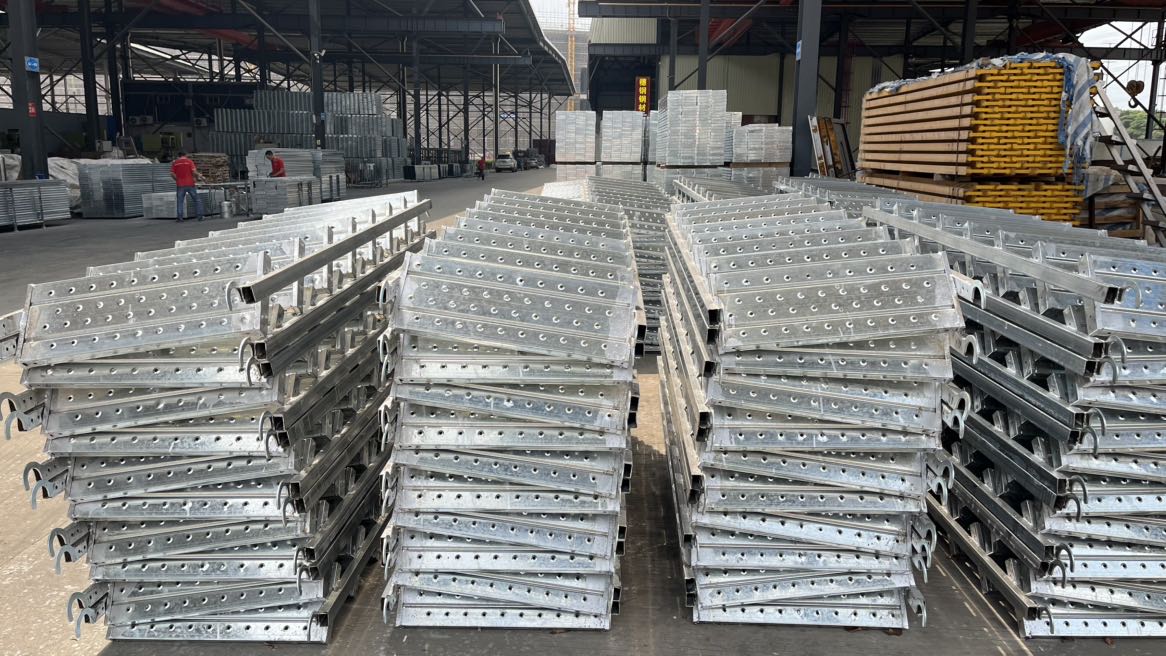
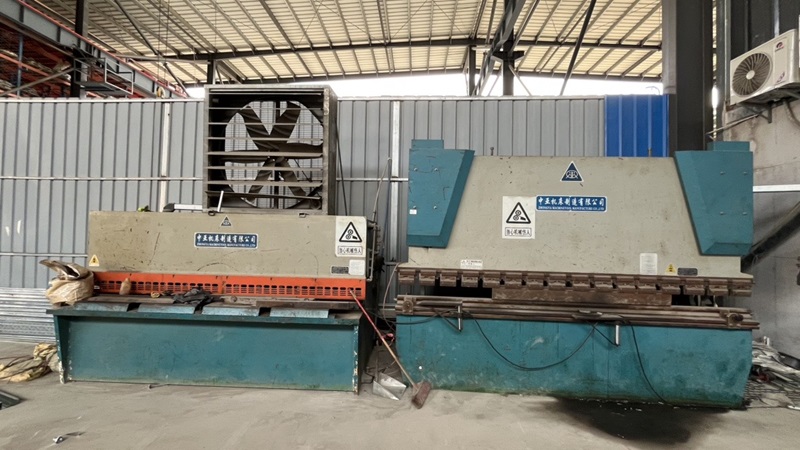
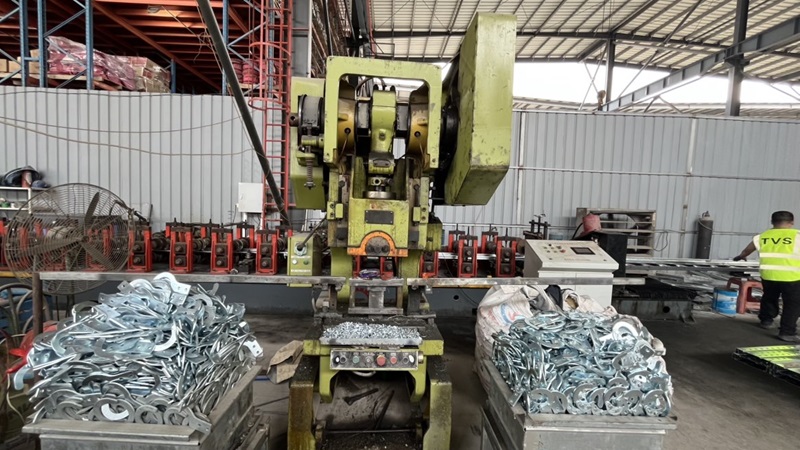
An inside look at our standardized Quality Control process, from sustainably harvested logs to final hydraulic pressing and precision finishing.
Tailored Application Scenarios in East Africa
Engineered wood products that address the structural and design requirements of major urban projects in South Sudan.
1. Diplomatic & Administrative Fit-outs
Embassies, ministerial buildings, and offices in Juba require extremely low VOC emissions to maintain indoor air quality. Our E0 and E1 grade Melamine Eucalyptus boards provide strong structural framing for desks, partition systems, and archival shelving that withstand temperature spikes without outgassing harmful chemicals.
- Zero structural failure under load-bearing files.
- Moisture-resistant melamine coatings protect against condensation.
- Scratch-resistant micro-texture finish.
2. High-Traffic Hospitality & Commercial Projects
Hotel rooms, commercial centers, and residential kitchen pantries along the Nile depend on stable, moisture-resistant cabinetry. Our double hot-pressed Okoume and Bintangor structural plywood sheets offer strong resistance against delamination in humid, riverfront conditions.
- Premium surface finish holds veneers, high-gloss PET, and laminates without bubbling.
- Exceptional screw holding capability at the edges.
- Dimensional stability prevents door warping in long wardrobe configurations.
Technical Specifications & Material Metrics
Engineering-grade data demonstrating the performance of our furniture-grade plywood range.
| Performance Criteria | Eucalyptus Core (Premium) | Poplar Core (Standard) | Birch Core (High Structural) |
|---|---|---|---|
| Mean Density | 610 - 640 kg/m³ | 530 - 560 kg/m³ | 680 - 720 kg/m³ |
| Bending Strength (MOR) | ≥ 38 MPa (Along grain) | ≥ 28 MPa (Along grain) | ≥ 50 MPa (Along grain) |
| Bonding Quality (Shear Test) | ≥ 1.2 MPa | ≥ 1.0 MPa | ≥ 1.45 MPa |
| Formaldehyde Release | E0 Standard (≤ 0.05 mg/L) | E1 Standard (≤ 0.124 mg/m³) | E0 / CARB P2 Standard |
| Moisture Content | 8% - 12% (Climate Calibrated) | 8% - 12% | 6% - 10% |
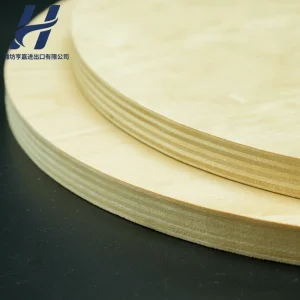
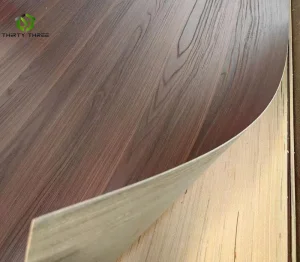
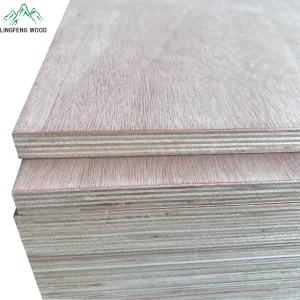
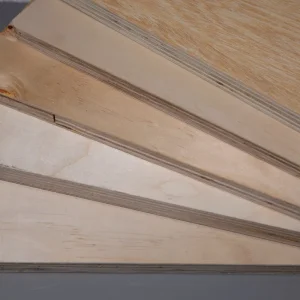
Complete Structural Wood Catalog for South Sudan
Explore our diverse collection of furniture-grade panels, designed for interior fit-outs and architectural components.


Frequently Asked Questions (FAQ)
Essential technical, logistics, and material information for importers and construction engineers in South Sudan.