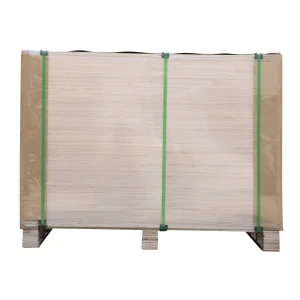
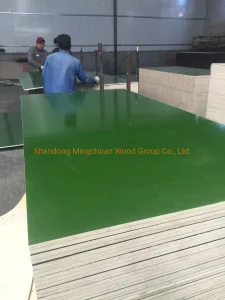
Top Trusted Sanded Plywood Factory & Exporter

Precision Engineered Panels & Sustainable Wood Composites Custom Tailored for High-End Manufacturing, Global Distribution, and Architectural Structural Projects.

Brand Leadership & Sustainability

Corporate Mission: Conveying Nature's Organic Beauty
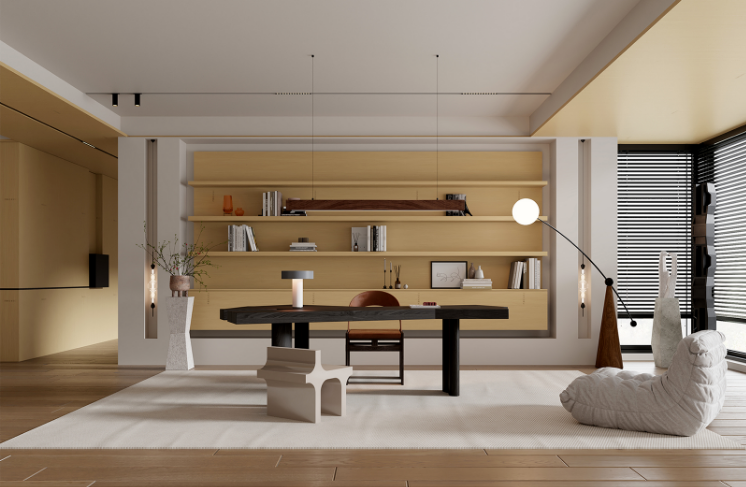
Guangdong Regit Decor Co., Ltd. is a distinguished brand that reflects a profound dedication to the natural world, craftsmanship, and artistic excellence. Rooted in the guiding principle of “understanding nature’s great love and conveying its beauty,” the company places sustainability at the heart of its product development. With a harmonious blend of natural aesthetics and practical functionality, Regit Decor has established itself as a leader in innovative and sustainable design, continually pushing the boundaries of what high-end decor can achieve.
At Regit, sustainability is not just a commitment—it is a core value that shapes every facet of the brand. We take great care in selecting materials that not only meet international environmental standards but also offer exceptional performance and durability. Whether it’s plywood for structural furniture frames, particle board and chipboard for foundational use, each material is chosen with the utmost attention to environmental impact, ensuring minimal resource waste and maximum efficiency. Through advanced processing techniques, we preserve the natural textures and stability of each material, elevating them into products that are as functional as they are beautiful.
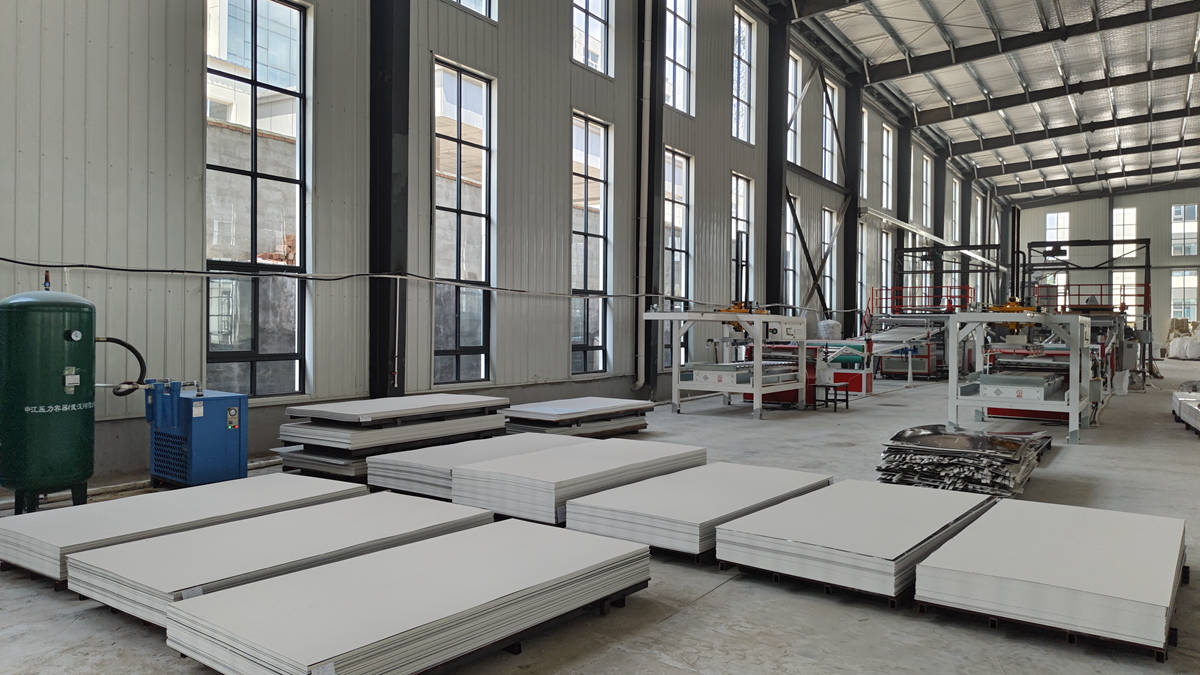
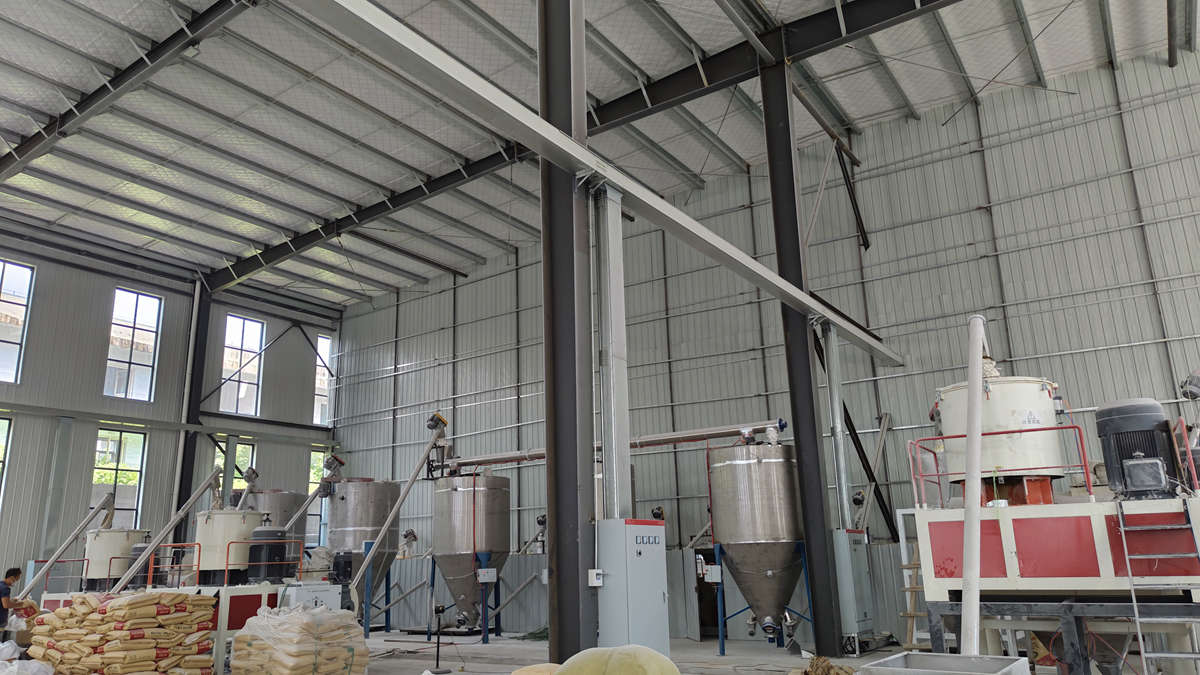
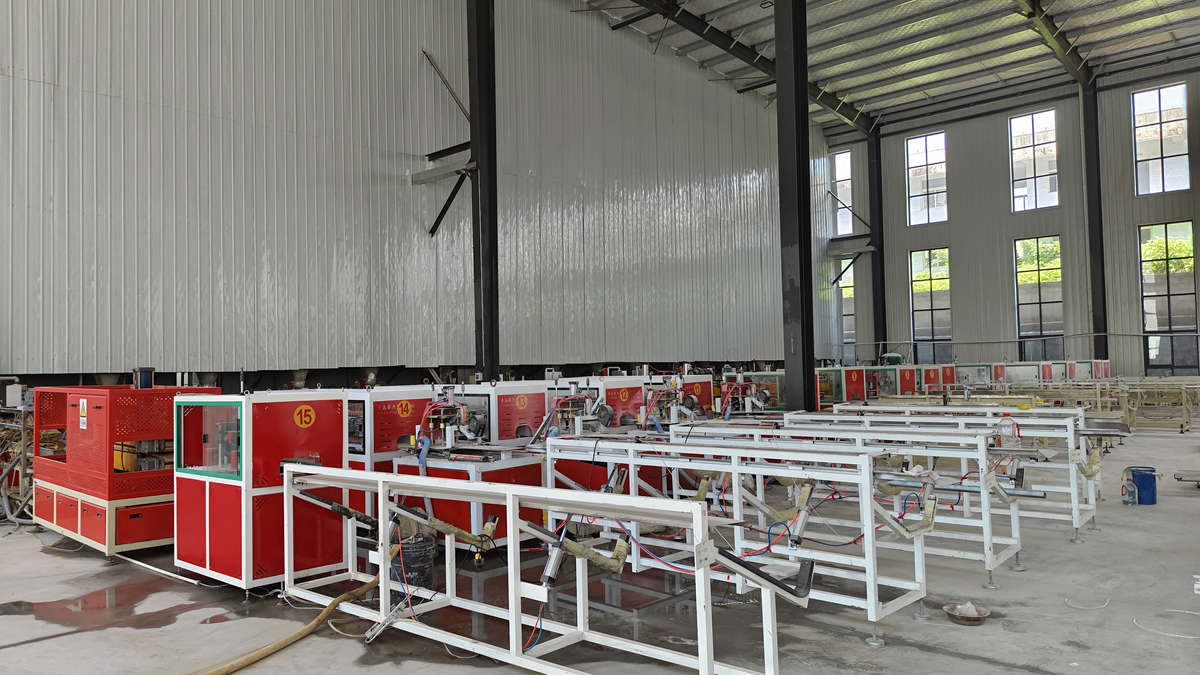
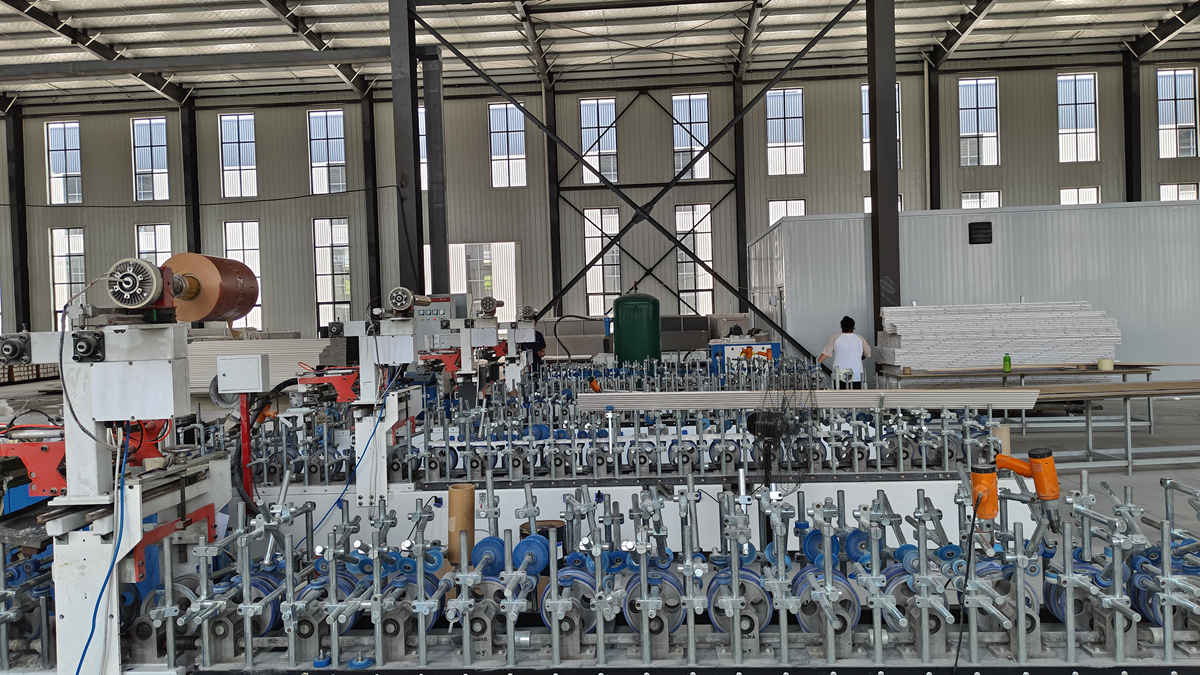
Guangdong Regit Decor Co., Ltd. Factory Eco-friendly Wood Composites Manufacturing
High End Digital Wood Machining and Quality Control Lab
Technological Integration

Digital Innovation & High-End Material Finishes

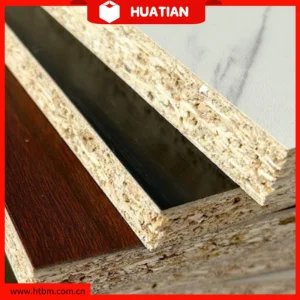
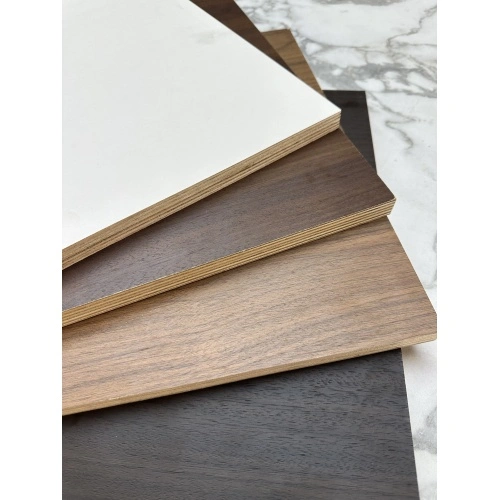
One of the key elements that sets Regit Decor apart is our innovative use of melamine board, which is carefully integrated into our designs. Known for its wear-resistant and moisture-proof characteristics, melamine board significantly enhances the longevity and resilience of our products. Beyond functionality, its diverse range of colors, patterns, and finishes allows us to infuse natural textures with aesthetic beauty, offering products that are both practical and visually striking. This fusion of nature and design creates pieces that are timeless and sustainable, elevating the spaces they inhabit.
Furthermore, Regit Decor is committed to integrating cutting-edge digital technology into the design and manufacturing process. By harnessing the power of digital tools, we are able to push the boundaries of traditional materials, reimagining the potential of plywood, particle board, chipboard, and melamine. This technology allows us to create products that are not only highly functional but also visually unique, breaking new ground in the high-end decor industry.
At Guangdong Regit Decor Co., Ltd., we are driven by a vision of blending the beauty of nature with the precision of modern design, offering a product range that is both aesthetically pleasing and environmentally responsible. Every piece we create is a testament to our commitment to sustainability, quality, and innovation. As we continue to evolve, we remain dedicated to shaping a future where natural beauty and functional design coexist harmoniously, allowing nature’s charm to inspire and enrich our lives in meaningful ways.
50+
Exporting Countries
<0.05mm
Thickness Tolerance
ENF
Eco-Emission Grade
100%
FSC Certified Sourcing
Technical Whitepaper Deep Dive

The Engineering & Calibration of Premium Sanded Plywood

What Is Calibrated Sanded Plywood?

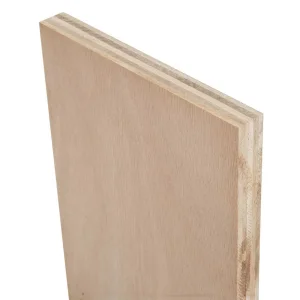
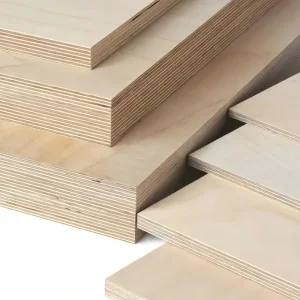
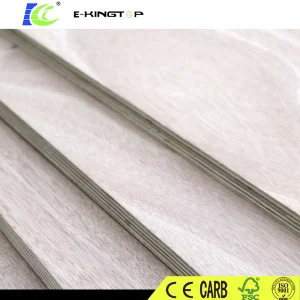
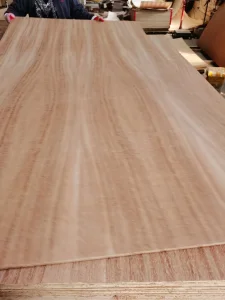
Sanded plywood is premium structural or decorative engineered wood that has undergone dual-sided mechanical sanding. This process removes core thickness variances, structural knots, and surface grain roughness. The primary objective is to guarantee a flat surface tailored for overlay lamination, wood veneering, painting, or high-end cabinet joinery.

Precision Calibration Engineering

Through advanced industrial double-sanding machines, the raw panel is calibrated to precise dimensional tolerances (frequently within ±0.15mm to ±0.2mm). This prevents structural buckling, delamination, and gaps in CNC milling operations, which are common errors with non-calibrated utility plywood.

Veneer Selection & Core Composition

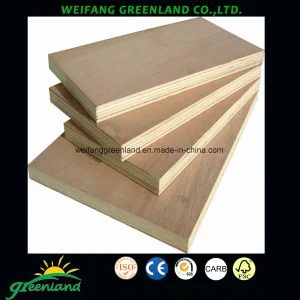
Utilizing high-density hardwood (Eucalyptus, Birch) or softwoods (Radiata Pine, Poplar), layers are cross-banded and heat-pressed using phenolic resin adhesives (WBP, MR, E0, ENF). High-grade face veneers, such as A/B grade Birch, Okoume, or Meranti, undergo rigorous inspection to eliminate dead knots and core splits before sanding.

Manufacturing Dominance

The Advantages of Sourcing Sanded Plywood from Chinese Factories

01

Unmatched Cluster-Based Supply Chain Efficiency

Guangdong and Shandong wood manufacturing hubs offer unparalleled clusters for veneer peeling, adhesive chemistry, machinery tooling, and surface coating processes. This concentration minimizes domestic logistics overhead, allowing us to source materials and parts quickly while passing these cost savings directly to the global buyer.

02

Advanced Automation & Calibrating Machinery

Chinese wood product factories have transitioned from manual labor to automated, high-precision manufacturing lines. Featuring heavy-duty sanders (such as Steinemann or domestic high-precision equivalents), moisture meters, and automatic core-builder systems, we guarantee consistent quality, batch after batch, with minimal human error.

03

Custom OEM/ODM Layering & Adhesive Formulations

Whether a client requires E0-grade melamine panels, FSC-certified eucalyptus cores, phenolic-faced structural plywood, or thin multi-ply birch alternatives, Chinese manufacturers can rapidly adjust recipes, pressing times, and veneer layering configurations to match specific international parameters and standards.

Operational Excellence

Raw Material Processing & Fabrication Workflow
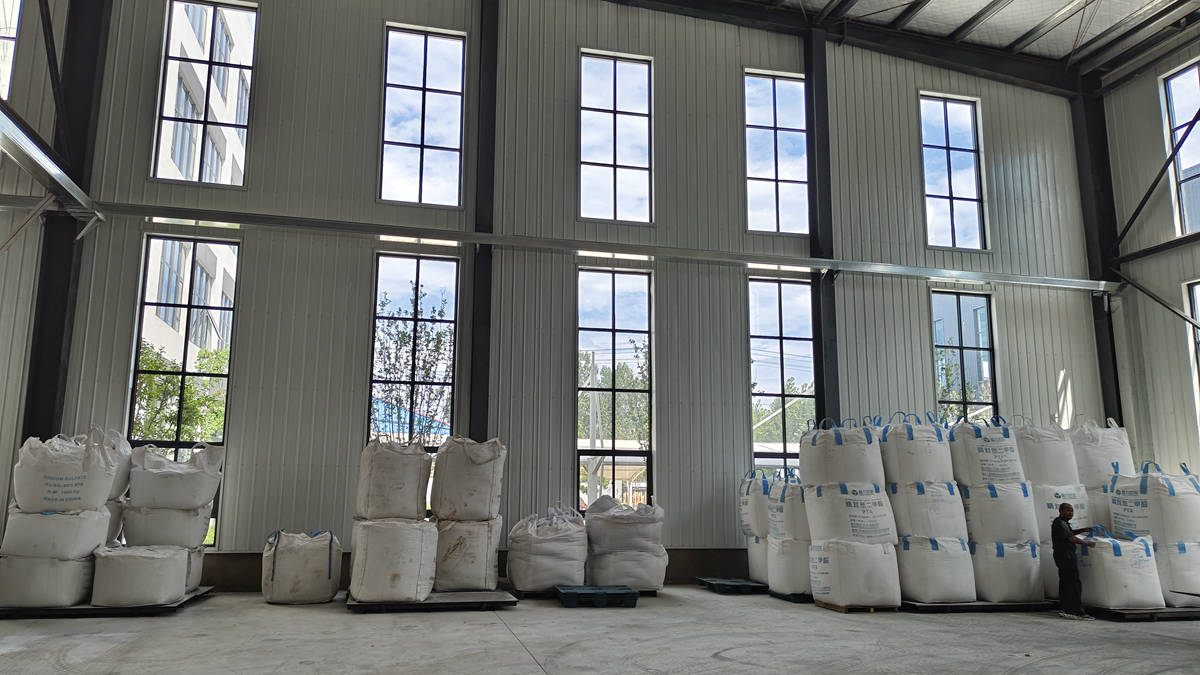
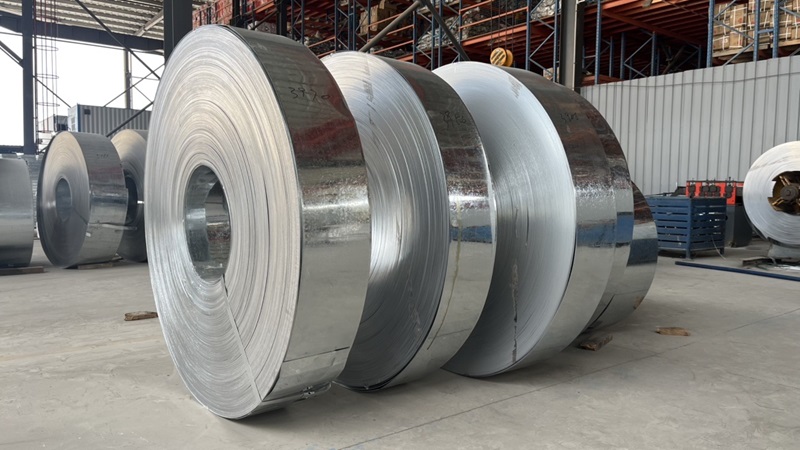
Raw Materials
Step 1: Raw Materials Inspection
Raw Materials Mixing
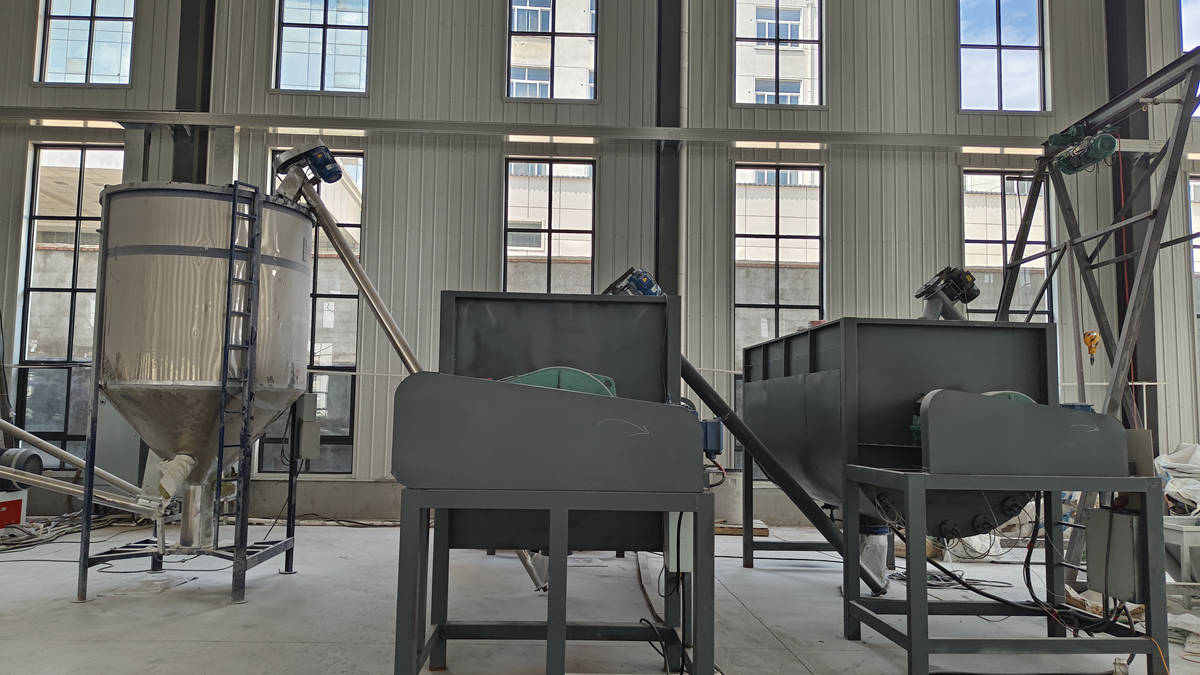
Step 2: Raw Materials Mixing Process
Extruding
Step 3: Core Layer Extruding
Raw Materials Mixing
Step 4: Raw Materials Compounding & Mixing
Extruding
Step 5: Structural Substrate Extrusion
Laminating
Step 6: Face and Back Veneer Laminating
Raw Material
Step 7: Finished Raw Material Quality Sorting
Processing
Step 8: Calibration & Precision Processing
Finished Product
Step 9: Finished Sanded Panels Inspection
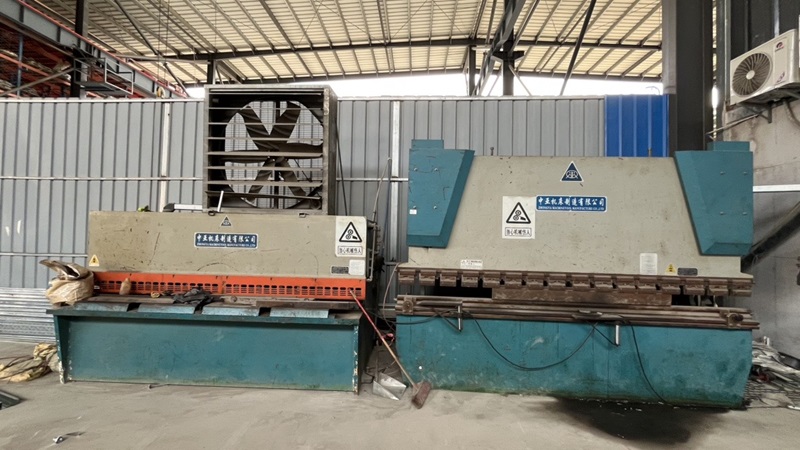
Hydraulic Swing Beam Shears
Machinery: Hydraulic Swing Beam Shears
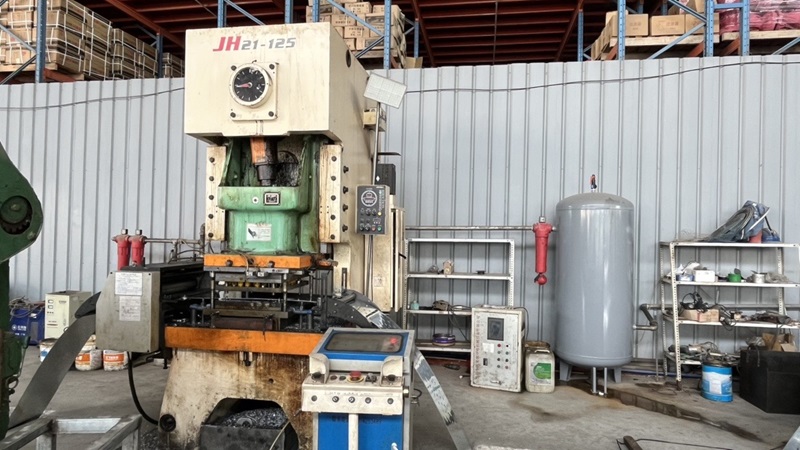
Open-type Inclinable Press
Machinery: Open-type Inclinable Press Unit
Processing machine
Machinery: Advanced Heavy-Duty Core Calibration Unit
Global Solutions

Macro-Industry Applications of High-Performance Plywood

Furniture Manufacturing & Premium Joinery

High-end kitchen cabinets, custom wardrobes, office furniture, and modular retail fixtures require uniform wood core substrates. Our ENF-standard sanded birch, poplar, and melamine boards allow CNC routers to carve clean edges without chipping or cracking, saving tool life and reducing labor costs during final assembly.

Concrete Formwork & Construction Engineering

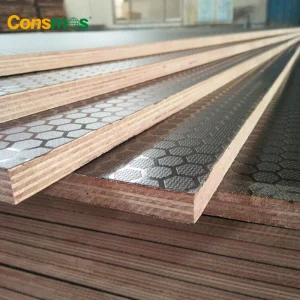
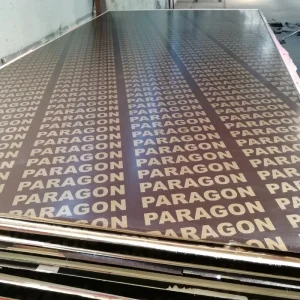
From Australia F17 formply systems to waterproof structural film-faced panels, our construction-grade sanded plywood guarantees an exceptionally flat finish for poured concrete. With core structures reinforced by phenolic WBP resins, these panels resist high pressure, water penetration, and multiple pour cycles without delamination.

High-Durability Marine & Transportation Panels

In yacht building, truck body flooring, and railway carriage construction, moisture and vibration resistance are critical. Our boiling-waterproof (WBP) phenolic marine plywood and anti-slip wiremesh-laminated panels provide structural integrity in wet environments, preventing wood rot and structural fatigue.

Procurement Intelligence

Solving Sourcing Challenges for Global Industrial Buyers

High-volume global buyers, industrial distributors, and commercial constructors face major challenges: thickness inconsistency, core cavities, and excessive formaldehyde emission levels that can trigger customs rejections or litigation. Sourcing teams look for verified factories that meet strict compliance requirements.
Our company addresses these challenges by offering fully certified product ranges. We adhere strictly to US CARB Phase II & EPA TSCA Title VI, European CE EN13986 Standards, Japanese JAS F☆☆☆☆, and Australian AS/NZS 2269 F17 Structural certifications. By integrating digital tracking systems throughout veneer sorting, mixing, hot-pressing, and calibration, every batch of plywood is tracked for density, moisture content, and bonding strength.
Furthermore, our strategic shipping partnerships at local ports (Nansha, Shenzhen, and Qingdao) guarantee stable ocean freight management. Secure packaging methods, including heavy-duty corner protectors and plastic-wrap moisture barriers, prevent moisture absorption and edge damage during international transit.

2025 Industry Trends: Sustainable & Digital Wood Engineering

1. Formaldehyde-Free Natural Glues: Global regulations are moving beyond E0 toward bio-based adhesive solutions (soy protein/MDI) to achieve ultimate indoor air safety.

2. High-Precision Laser Core Calibrations: Automated scanners identify and reject interior veneer gaps before pressing to ensure clean CNC routing.

3. Structural Composite Hybridization: Combining bamboo strand-woven sheets with light wood cores (Poplar/Pine) creates lightweight panels with exceptional load capacity.

4. Circular Forestry Requirements: Strict FSC chain-of-custody tracking is essential for exporting to EU and US markets.

Deep Knowledge Base

Technical FAQ: Plywood Sourcing & Manufacturing Insights

What is the difference between calibrated sanded plywood and non-calibrated utility plywood?
Calibrated plywood undergoes an additional industrial thickness sanding step. This mechanical processing calibrates the core thickness to extremely precise tolerances, typically within ±0.15mm. Non-calibrated or standard utility plywood has wider variations (±0.5mm to ±1.0mm). Calibration is critical for CNC machining, laminate backing, and high-end cabinetry, where even small variations in panel thickness can ruin alignments.
How does your factory control formaldehyde emissions?
We use advanced chemical formulations and premium resins, including Melamine-Modified Urea-Formaldehyde (MUF) and Phenolic WBP glues. Our raw material sourcing and gluing lines are optimized to meet the most stringent emission standards, including CARB Phase II, EPA TSCA Title VI, and the ultra-low ENF standard.
Why is structural hardwood core preferred over softwood core for high-end applications?
Hardwood cores (like Eucalyptus and Birch) have higher densities (620-700 kg/m³) compared to softwoods (such as Poplar and Pine, which range between 450-520 kg/m³). Hardwood cores provide higher screw-holding capacity, minimal core deflection under load, and higher sheer strength, making them ideal for heavy-duty structural formwork and commercial furniture frames.
What moisture level range do you guarantee for export products?
We target a moisture content range of 6% to 12% in our final panels. This is managed during veneer kiln-drying and verified with digital inline moisture meters before shipping. Maintaining this range prevents the panels from warping, expanding, or cracking when exposed to dry or humid destination climates.
What properties make marine-grade plywood waterproof?
Marine-grade plywood is manufactured with high-quality, knot-free core veneers bonded using WBP (Water Boiling Proof) phenolic glue. It must survive a continuous 72-hour boiling test without delamination. The absence of internal air pockets prevents water from gathering and rotting the panel structure from the inside.
What is structural F17 Formply, and why is it important for the Australian market?
F17 is a structural rating under the Australian standard AS 6669. Formply rated to F17 has been structural-strength tested to guarantee it can support heavy concrete load limits during high-rise construction. It features a cross-laminated hardwood core and an outer layer coated in phenolic-impregnated paper (film) to ensure clean surfaces on concrete walls.
How do you verify plywood sheet quality before it is packed?
Every shipment goes through our QC protocol: 1) Thickness checking across multiple panel points. 2) Face and back visual inspections for knots, splits, or sanding defects. 3) Mechanical stress tests to verify shear bonding strength. 4) Formaldehyde emission testing in our laboratory using advanced desiccator methods.
Can you manufacture carbonized bamboo plywood panels?
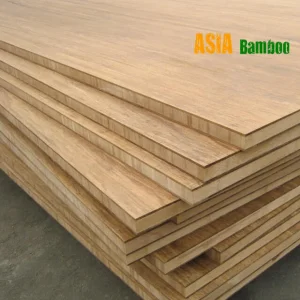
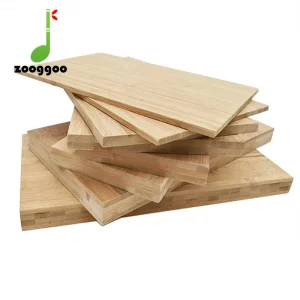
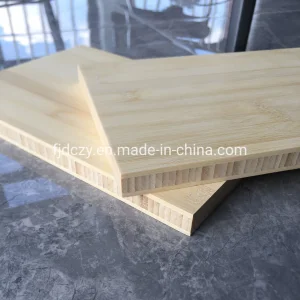
Yes. We engineer carbonized bamboo panels by heat-treating the raw bamboo fibers. This darkens the material, caramelizes the natural sugars, and improves insect resistance. These multi-layered, cross-laminated bamboo core configurations are highly sought-after for eco-friendly kitchen worktops, premium office furniture, and high-traffic commercial wall panels.
What packaging standards do you use to prevent damage during sea transit?
We package our panels for export using heavy-duty plywood protective sheets on the top, bottom, and sides. Steel strapping bands run vertically and horizontally across the crates, and we reinforce the corners with hard plastic edge protectors. The entire package is wrapped in a heavy poly-film barrier to prevent moisture absorption in humid sea containers.
What is the typical production and shipping lead time for bulk container orders?
Depending on custom specifications and order volume, standard factory production takes 15 to 21 days from deposit receipt and specification sign-off. We schedule shipping lines through Nansha or Shenzhen ports immediately after production to minimize port wait times and expedite delivery.