How to Waterproof Plywood for Outdoor Use Effectively?

Time:2026-07-27 Author:Ethan
0%

Plywood is a popular choice for outdoor projects due to its versatility and durability. However, exposure to moisture can lead to rot and deterioration. This raises an important question: How to waterproof plywood for outdoor use effectively? Proper waterproofing can enhance the lifespan and appearance of your plywood.

Choosing the right materials and methods for waterproofing is crucial. There are various sealants and coatings available that can provide effective protection. Remember, the application process is just as important. It requires careful preparation and attention to detail. Even the smallest oversight can lead to issues down the line.

Waterproofing isn't just about applying a product. It’s an ongoing commitment to maintaining your plywood. Regular inspections and upkeep are necessary. Embracing this process can ensure your outdoor projects stand the test of time and elements.
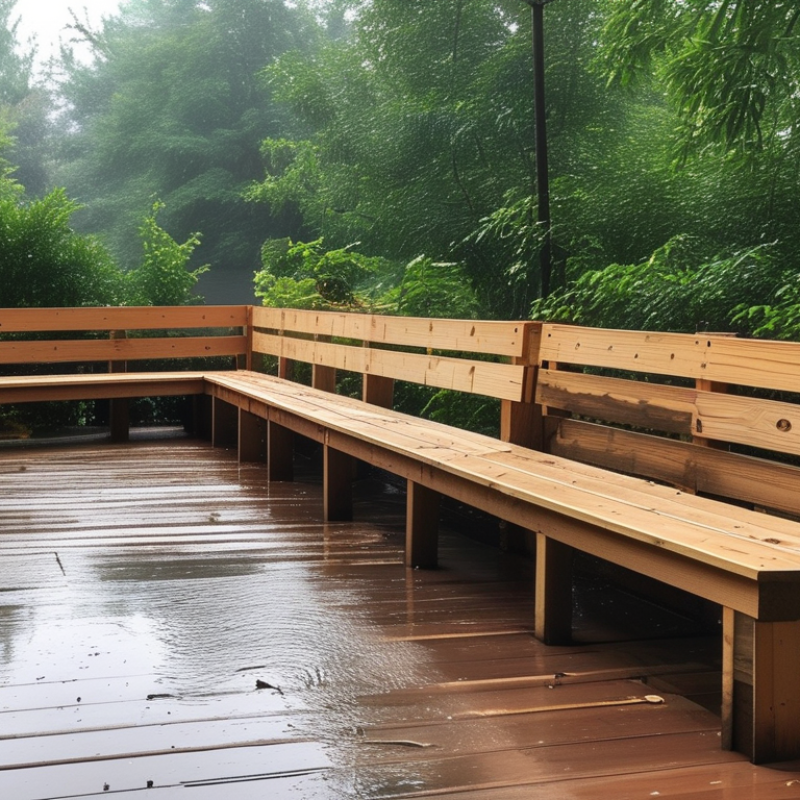
How to Waterproof Plywood for Outdoor Use Effectively?

Understanding the Importance of Waterproofing Plywood for Outdoors

When using plywood outdoors, waterproofing is vital. Without it, plywood can absorb moisture and degrade quickly. This can lead to warping, swelling, and even mold growth. Understanding these risks helps underscore the importance of proper waterproofing techniques.

Plywood is often selected for its durability, but exposure to rain and humidity can damage it. To protect your investment, applying a waterproof sealant or paint is essential. These products create a barrier against water, extending the lifespan of your plywood. However, not all waterproofing methods are perfect. Each approach has its pros and cons.

Some sealants might wear off more quickly than expected. This means regular maintenance and reapplication are necessary. Neglecting this can lead to unforeseen problems down the line. It’s crucial to evaluate the conditions where the plywood will be used. High humidity or constant rainfall increases the urgency for effective waterproofing. By paying attention to these details, you enhance both the longevity and reliability of your outdoor plywood projects.

Selecting the Right Type of Plywood for Outdoor Use

When selecting plywood for outdoor use, consider the material's resistance to moisture. Marine-grade plywood stands out due to its waterproof adhesive and higher density. This type can withstand harsh weather conditions and constant exposure to water. Look for this grade, especially if your project involves docks or outdoor furniture that will see significant rainfall.

Another option is exterior-grade plywood, which is less expensive but not as durable. It resists water but may swell or warp under extreme conditions. If you choose this, plan for a protective finish. Inadequate waterproofing can lead to issues like mold growth. It’s essential to assess your local climate and how much direct exposure your plywood will face.

Remember, not all plywood is created equal. Some woods may seem attractive but lack the durability needed for outdoor use. Consider the source and type of wood, as well. Make sure to check for any hidden flaws or voids. These can compromise the plywood’s strength over time. Prioritize quality over cost to ensure longevity.

Waterproof Plywood Types for Outdoor Use

Preparing the Plywood Surface for Waterproofing Treatment

Preparing the plywood surface for waterproofing treatment is crucial. Start by selecting high-quality plywood with a smooth finish. Inspect each sheet for imperfections or defects. Sand down any rough edges and surfaces to ensure an even application. Use a fine-grit sandpaper to create a smooth texture. This process may require patience, but it’s essential for effective waterproofing.

Next, clean the plywood thoroughly. Remove dust and debris from the sanding process. You can use a damp cloth or sponge to wipe the surface. Allow the plywood to dry completely before applying any waterproofing treatment. Moisture can lead to mold or mildew if trapped under the coating. Watch for areas that may need extra attention. Preparing the surface correctly takes time, but it greatly enhances adhesion and durability. Small missteps may lead to larger issues later on.

Applying Waterproof Coatings: Techniques and Best Practices

Applying waterproof coatings to plywood is crucial for outdoor durability. Start by selecting the right type of coating. Options include sealants, paints, and varnishes, which offer different levels of protection. It’s essential to prepare the plywood surface before application. Sanding it down helps create a smooth base. This step often takes longer than expected but is necessary for proper adhesion.

When applying the coating, use consistent strokes with a brush or roller. This ensures even coverage across the surface. Allow each coat to dry completely before applying another layer. Two or three coats may be necessary, especially for exposed areas. Pay attention to corners and edges, as these spots often require extra attention. An area may look good upon first glance but may not be fully protected.

Lastly, keep in mind that even the best coatings can wear over time. Regular maintenance is vital. Inspect the plywood at least once a season. Look for signs of wear or moisture damage and reapply the coating when necessary. A proactive approach can extend the life of your plywood significantly. Reflect on your techniques and adjust as needed for future projects.

How to Waterproof Plywood for Outdoor Use Effectively? - Applying Waterproof Coatings: Techniques and Best Practices

Technique Description Drying Time Application Method
Polyurethane Coating Provides a durable, water-resistant finish. 24 hours Brush or spray
Epoxy Sealer Seals plywood effectively and offers strong waterproofing. 48 hours Roller or brush
Marine Varnish Adds a waterproof finish while enhancing aesthetics. 12-24 hours Brush
Acrylic Sealant Water-based coating that's easy to apply and clean. 1-2 hours Spray or roller
Oil-based Stain Provides color and waterproofing; needs maintenance. 24 hours Brush or rag

Maintaining and Reapplying Waterproofing Treatments Over Time

Maintaining and reapplying waterproofing treatments for plywood is crucial for outdoor durability. Regular inspections will help identify wear or damage. Look for peeling, cracking, or discoloration, as these issues indicate that the protective layer is weakening. The environment plays a significant role. Areas with high humidity or frequent rain may require more frequent treatments.

When it comes to reapplication, timing is key. Typically, every one to two years is advisable, but this can vary based on exposure. Clean the surface thoroughly before applying any new treatment. Remove dirt and mold with mild soap and water. Allow the plywood to dry completely, as moisture can hinder the effectiveness of new treatments.

While applying waterproofing agents, avoid rushing the process. A thick coat may seem appealing, but too much can lead to bubbling or peeling. Instead, aim for even, thin layers. This approach ensures better penetration and adhesion. Emphasizing quality over quantity here can save time and resources in the long run. Regular maintenance may seem tedious, yet it's essential. Neglecting it can lead to costly repairs down the line.

FAQS

: What type of plywood is best for outdoor use?

: Marine-grade plywood is ideal for outdoor projects. It has waterproof adhesive and withstands harsh weather.

How does exterior-grade plywood compare to marine-grade plywood?

Exterior-grade plywood is cheaper but less durable. It resists water but can swell or warp under extreme conditions.

What should I consider for waterproofing plywood?

Ensure the plywood is high-quality and has a smooth finish. Inspect for defects before starting the waterproofing process.

Why is surface preparation important for waterproofing?

Proper surface preparation enhances adhesion and durability. Small mistakes can lead to larger issues in the future.

How do I prepare plywood for waterproofing treatment?

Sand rough edges, clean the surface, and ensure complete dryness before applying any waterproofing treatment.

What common mistakes should I avoid when selecting plywood?

Don't choose plywood based solely on appearance. Check for hidden flaws that can affect strength and longevity.

Can I use regular plywood for outdoor furniture?

Regular plywood may not survive outdoor conditions. Opt for marine or exterior-grade plywood for better performance.

How do climate conditions affect plywood longevity?

Local climate plays a significant role. Higher moisture levels can increase the risk of mold unless waterproofed properly.

Conclusion

Waterproofing plywood for outdoor use is essential to extend its lifespan and prevent damage from weather elements. To begin with, it's crucial to select the appropriate type of plywood, ensuring it is suitable for outdoor environments. Once the right plywood is chosen, surface preparation becomes vital; this includes cleaning and sanding the plywood to create an ideal base for waterproofing treatments.

When considering how to waterproof plywood for outdoor use, various techniques can be employed, including the application of waterproof coatings. Best practices involve evenly applying the coating and allowing adequate drying time. Regular maintenance and periodic reapplication of these treatments ensure continued protection, safeguarding the plywood against moisture-related issues over time. Following these steps will help keep outdoor plywood projects durable and resilient against the elements.

Ethan

Ethan

Ethan is a seasoned marketing professional with a deep expertise in our company's innovative product line. With a passion for sharing knowledge and insights, he takes the lead in regularly updating our corporate blog, where he explores industry trends, product features, and effective marketing......