Marine plywood is known for its durability and water resistance, making it a preferred choice in various industries. However, many people often wonder, "Why is marine plywood so expensive?" According to the Wood Products Council, production costs for high-quality marine plywood can be 20% higher than standard plywood due to specialized materials and coatings used to resist moisture. Expert Kevin Sinclair, a renowned figure in the marine construction industry, emphasizes, "Only the best materials justify the price, especially in marine applications."
The high cost can often be perplexing. Factors include the sourcing of premium wood species, like Douglas fir or Okoume, which are stronger and more resilient. Manufacturing processes also involve stringent quality controls, enabling the plywood to withstand harsh marine environments. Such features can justify the expense, but there are moments for reflection. Consumers often ask if the price aligns with their needs. Understanding these factors is crucial to making an informed decision.
Some might overlook the importance of certifications, such as BS 1088, which ensure the plywood meets industry standards. This adherence to stringent guidelines further elevates its cost. In the end, it's essential to ponder whether the investment in marine plywood aligns with the intended use and long-term durability required for each project.
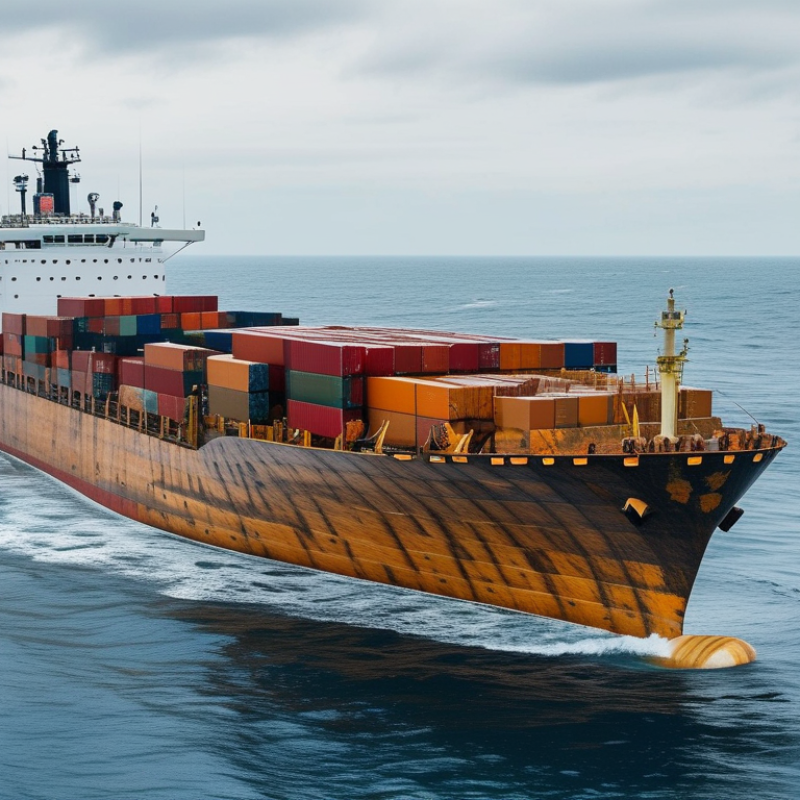
Marine plywood is often more expensive than regular plywood. Several factors influence its cost. Understanding these factors helps in making informed purchasing decisions.
The type of wood used is crucial. Marine plywood often contains hardwood species, which are denser and more durable. This quality increases its resistance to water and decay. Another factor is the adhesive technology used during manufacturing. High-quality waterproof adhesives contribute to increased costs but ensure long-lasting performance.
Labor costs also play a significant role. Skilled workers are necessary for proper manufacturing and finishing of marine plywood. The location of production can affect labor rates. Additionally, demand in the marine construction sector fluctuates. Higher demand leads to higher prices and can strain supply chains. Navigating these factors can be challenging but essential for understanding the pricing dynamics of marine plywood.
Marine plywood is essential for various applications, especially in the marine environment. However, different types come with varying costs. Understanding these differences can help you make informed choices.
One popular type is Okoume plywood. It is lightweight and water-resistant, making it suitable for boat interiors. However, it is more expensive than standard plywood. Some find it challenging to justify the price unless they need superior performance. Another option is Meranti plywood, which is often less costly. It has decent water resistance but may not last as long as Okoume. Be mindful of quality when considering lower-priced options.
Cost also varies based on thickness and grade. High-grade marine plywood offers better durability and fewer defects. Nonetheless, many users skip higher grades to save money. This could lead to significant repairs later on. It’s a trade-off between immediate savings and long-term investment. Remember, the choice of marine plywood depends on your specific needs and budget constraints. Make sure you weigh these factors carefully.
The pricing of marine plywood heavily depends on the supply chain. The journey from raw materials to finished product involves multiple stages. Each step presents unique challenges that can impact costs significantly. Transport delays and scarcity of quality timber can drive prices up. Even minor disruptions have a ripple effect throughout the supply chain.
Producers must navigate complex logistics to ensure timely delivery. This includes managing inventory smartly to avoid shortages. Seasonal demand fluctuations further complicate the process. During high-demand periods, prices can soar, leaving consumers with limited options. It’s essential to understand how each factor contributes to overall pricing.
Sustainability practices also play a role. Eco-friendly sourcing often comes with higher costs. Yet, investing in responsibly harvested wood has long-term benefits for the environment. This raises questions about whether the increased price is justified. Balancing quality, sustainability, and cost remains a difficult dilemma for manufacturers and consumers alike.
Marine plywood is renowned for its durability and water resistance. However, the production processes contribute significantly to its cost. Understanding these processes is vital for both manufacturers and consumers.
The first step in production involves selecting high-quality timber. Not all woods are suitable for marine plywood. Specific species, such as birch or eucalyptus, are often chosen for their strength. This selection process can increase costs. After selecting wood, the veneer cutting begins. Each veneer must be thin and uniform, ensuring quality. Imperfections during this phase can lead to wasted materials and higher expenses.
Adhesives play a critical role in constructing marine plywood. Waterproof adhesives must meet stringent standards. The formulation of these adhesives affects both performance and price. Additionally, curing times require careful management. Longer curing can push production times, leading to delays. Production efficiency is crucial, but sometimes corners are cut, impacting quality. Balancing cost and quality remains a challenge in the marine plywood industry.
The marine plywood market is witnessing significant shifts due to evolving demand trends. The global market size for marine plywood is projected to reach $1.5 billion by 2026. This increase is driven by growing interest in marine construction and recreational boating. In recent years, outdoor activities have surged, prompting higher demand for durable materials like marine plywood.
One notable factor influencing prices is the fluctuation in raw material costs. Reports show that the prices of essential wood types used in marine plywood production have risen by nearly 15% in the last year. This has a direct impact on end-user prices. Additionally, environmental regulations are pushing manufacturers to adopt sustainable practices, which can increase production costs.
Consumer preferences are also shifting towards eco-friendly products. Market research indicates that 42% of buyers prioritize sustainability when purchasing marine plywood. Supply chain disruptions, originating from the pandemic, have exacerbated these challenges. As a result, manufacturers may need to reevaluate their production strategies to meet the dynamic market. This complex interplay of demand and cost factors showcases the intricacies of the marine plywood industry.
The chart above illustrates the price index of marine plywood from 2021 to 2026. The continuous increase in prices reflects the growing demand influenced by market trends, environmental regulations, and supply chain challenges.
: Common types include Okoume and Meranti plywood, each with distinct characteristics and costs.
Okoume is lightweight and water-resistant, but its superior performance justifies a higher price for some users.
Lower-cost options may result in more frequent repairs due to reduced durability and quality.
Thicker, higher-grade marine plywood offers better durability, but many avoid it to save money upfront.
Birch and eucalyptus are often selected for their strength and suitability, impacting overall costs.
Waterproof adhesives have specific requirements, and their formulation affects both the performance and the cost of plywood.
Cutting corners in production can lead to quality issues, which may result in increased long-term expenses.
Investing in high-grade plywood might save costs on repairs in the long run, despite the initial expense.
The selection of quality timber and careful veneer cutting can increase production costs, impacting the final price.
Buyers should weigh their specific needs, budget, and potential long-term costs when making their choice.
The article "2026 How to Understand the High Cost of Marine Plywood?" explores the various factors that contribute to the elevated pricing of marine plywood. A key point discussed is the intrinsic characteristics of different marine plywood types, which come with varying costs due to their specific applications and quality levels. The role of the supply chain is also significant; disruptions and logistical challenges can lead to price increases, making consumers wonder, "Why is marine plywood so expensive?"
Additionally, the production processes involved in creating marine plywood can impact costs, as specialized machinery and quality control are required to meet resistance to moisture and decay. Finally, market demand trends add another layer of complexity, as increasing popularity and usage in marine applications further drive up prices. Understanding these elements can provide valuable insights into the factors behind the high costs of marine plywood.

Regit Decor