China Top 10 Tips to Choose the Right Plywood Thickness for Cabinets?

Time:2026-07-17 Author:Oliver
0%

When it comes to cabinetry, choosing the right plywood thickness is crucial. Experts emphasize that this decision impacts durability and aesthetics. Renowned cabinetmaker Sarah Johnson states, "The right plywood thickness ensures longevity and enhances the overall look." Understanding how to choose the right plywood thickness for cabinets is essential for any DIY enthusiast or professional.

Selecting plywood can be overwhelming. Different thicknesses suit various applications, and the cost can vary widely. For kitchen cabinets, a thickness of 3/4 inch is often recommended. It provides strength for heavy loads. However, consider factors like the cabinet design and type of wood used. Sometimes, thinner plywood works in less demanding situations.

Mistakes can happen; choosing too thin may lead to sagging or warping. On the other hand, overly thick plywood can add unnecessary weight. Balancing these aspects requires careful thought. Assess your needs, and don't hesitate to consult with experts before making a decision. Choosing wisely means your cabinets will look good and stand the test of time.
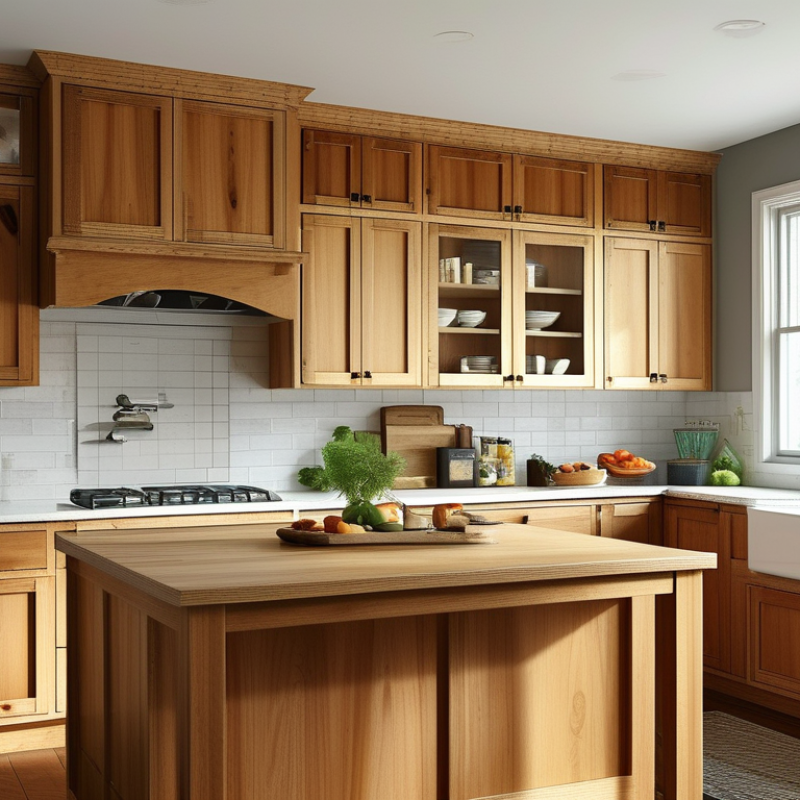
China Top 10 Tips to Choose the Right Plywood Thickness for Cabinets?

Understanding Plywood Thickness Basics for Cabinets

When selecting plywood for cabinets, understanding thickness is crucial. Plywood thickness can significantly impact the durability and aesthetics of your cabinets. Common thicknesses range from 1/4 inch to 3/4 inch. Industry reports indicate that the most popular choice for cabinet construction is typically 3/4 inch, providing excellent strength and stability.

However, thinner plywood, like 1/2 inch, can also be viable for certain designs. It's lighter and more cost-effective, yet it may lack the necessary durability for heavy items. A 2019 study published by the Wood Products Journal highlights that cabinets made with 3/4 inch plywood experience fewer structural issues compared to those built with thinner alternatives.

Choosing the right thickness involves considering the weight of items stored and the overall design. If a cabinet needs to hold heavy dishes or equipment, opting for thicker plywood is sensible. Conversely, lighter materials can work for decorative cabinets. Many builders report that balancing cost with quality often leads to reconsidering thickness choices. Finding the sweet spot in thickness can lead to better long-term satisfaction.

How Plywood Thickness Affects Cabinet Durability and Stability

When it comes to cabinets, plywood thickness plays a crucial role in their durability and stability. Thicker plywood ensures that the cabinets can support more weight. This is especially important for heavy items like dishes or appliances. A standard thickness of 3/4 inch is often recommended for cabinet construction. However, some might overlook this detail. Using thinner plywood can lead to warping and bending over time, reducing the cabinet’s lifespan.

Moreover, the quality of the plywood also matters. High-quality plywood will resist moisture better, making cabinets more stable. If plywood absorbs moisture, it can swell and weaken. This is a common mistake many DIY enthusiasts make. They may choose cheaper materials, believing the appearance is all that matters. Yet, this can result in costly repairs down the line. People should also consider the cabinet's design. Intricate designs might require specific thicknesses for proper support.

An ideal approach involves evaluating both the intended use and aesthetic preferences. For instance, if the cabinets will be used in a humid area, thicker, high-quality plywood is essential. Reflecting on these factors can greatly improve cabinet longevity. Choosing the right thickness is not just about looks; it’s about ensuring functionality and stability for years to come.

Choosing the Right Plywood Thickness for Different Cabinet Styles

When selecting plywood thickness for cabinets, the style plays a crucial role. For lightweight designs, like open shelving, ½-inch plywood often suffices. This thickness balances strength and weight, allowing for easy installation. However, these shelves may sag under heavier items. Consider reinforcing them with brackets or supports.

In contrast, traditional cabinetry benefits from thicker plywood. Cabinets designed for heavy-duty use typically require ¾-inch thickness. This allows better weight distribution and resistance to warping. It can handle cookware, appliances, and more without compromising structural integrity. Yet, you might find that thicker plywood increases overall cabinet weight, which could impact installation.

Not all styles fit into a single thickness category. Modern floating cabinets often utilize thinner plywood for a sleek look. Yet, they must be properly anchored to ensure safety. Reflecting on your specific design goals will help determine the right choice. Don't hesitate to consult with professionals before making decisions. Their insights could avert costly mistakes.

Common Mistakes to Avoid When Selecting Plywood Thickness

Choosing the right plywood thickness for cabinets is crucial. Many homeowners make common mistakes that impact both aesthetics and durability. A professional report from the American Plywood Association indicates that using inadequate thickness can lead to warping and sagging over time. It's essential to understand that not all projects require the same plywood thickness.

One frequent error is selecting plywood thickness based solely on cost. Thin plywood may seem economical but can compromise cabinet strength. Consider 3/4-inch plywood for heavy-duty applications. This thickness helps support weight and maintains structural integrity. Another common blunder is ignoring the cabinet design. For instance, intricate designs may require thicker plywood to prevent damage during construction and assembly.

It's also important to factor in the application. Kitchen cabinets, which endure heavy use, typically require more robust materials compared to bathroom cabinets. Many manufacturers recommend a minimum thickness of 1/2 inch for lighter applications. Understand the environment where the cabinets will be installed. Moisture can cause thinner plywood to swell, leading to costly repairs or replacements. Finally, always ask for advice from professionals to guide your material choices based on real-world experiences.

Expert Tips for Measuring and Selecting Plywood Thickness

Choosing the right plywood thickness for cabinets involves careful measurement and selection. Start by considering the cabinet's purpose. Display cabinets may require thinner plywood, while heavy-duty storage cabinets need thicker options. A common thickness for standard cabinets is ¾ inch. It provides strength and stability for shelves and doors.

When measuring plywood thickness, remember to account for overlay edges. It’s crucial for ensuring proper fitting and aesthetics. Use precise measuring tools, like calipers, to avoid inaccuracies. Thin plywood can warp easily, especially in humid environments. This can lead to issues down the line.

Keep in mind that personal preference plays a role. Some may prefer a sleek, minimalist appearance, while others opt for more robust structures. Testing various thicknesses can lead to better outcomes. Don’t hesitate to consult with professionals for personalized advice. Their expertise can help refine your choices and enhance overall design integrity.

Recommended Plywood Thickness for Cabinets

FAQS

: Why is plywood thickness important for cabinets?

: Plywood thickness affects durability and stability. Thicker plywood supports more weight, crucial for heavy items.

What thickness is recommended for standard cabinet construction?

A standard thickness of 3/4 inch is often suggested. It helps maintain structural integrity and strength.

What happens if I use thinner plywood?

Using thinner plywood can lead to warping and bending. This reduces the cabinet’s lifespan significantly.

How does plywood quality impact cabinet performance?

High-quality plywood resists moisture better, preventing swelling and weakening. Quality is essential for durability.

What is a common mistake when choosing plywood?

Focusing only on cost can lead to poor choices. Cheap, thin plywood compromises strength and stability.

Should cabinet design influence plywood thickness choice?

Yes, intricate designs may require specific thicknesses. Proper support is vital during construction and assembly.

How does the intended use affect plywood selection?

Kitchen cabinets need sturdier materials due to heavy use, while bathroom cabinets can use lighter plywood.

What tools should I use for measuring plywood thickness?

Precise measuring tools, like calipers, are essential. They help avoid inaccuracies in thickness measurements.

Can environmental factors affect plywood performance?

Yes, moisture can cause thinner plywood to swell. This can lead to costly repairs or even replacements.

Should I seek professional advice when selecting plywood?

Definitely. Professionals can provide valuable insights and help refine your material choices for better outcomes.

Conclusion

Choosing the right plywood thickness for cabinets is crucial for ensuring durability and stability in construction. This article outlines essential tips, beginning with an understanding of plywood thickness basics, which serves as the foundation for informed decision-making. It emphasizes how plywood thickness directly impacts cabinet longevity and the appropriate styles to consider for various designs.

Additionally, it highlights common mistakes individuals make when selecting plywood thickness, helping readers to avoid pitfalls during the selection process. Expert advice on measuring and determining the right thickness ensures that users can confidently navigate their choices. Overall, mastering how to choose the right plywood thickness for cabinets will lead to better quality and aesthetically pleasing results in cabinetry projects.

Oliver

Oliver

Oliver is a seasoned marketing professional with a wealth of expertise in driving brand awareness and engagement. With a deep understanding of our company's product offerings, he consistently delivers high-quality content that enriches our professional blog. His insights not only shed light on......