In the construction industry, the choice between LVL (Laminated Veneer Lumber) and solid wood beams is significant. According to the International Wood Products Association, LVL can achieve up to 1.5 times the strength of solid wood beams, making it a popular choice among builders. Industry expert Dr. Mark Johnson states, “Choosing LVL over solid wood beams enhances structural integrity and sustainability.” This insight highlights a growing trend in modern construction methods.
Many builders are exploring "Why use LVL instead of solid wood beams?" The answer lies not just in strength but also in versatility and moisture resistance. LVL beams can be custom-designed for various applications. This flexibility prevents many issues associated with solid wood, like warping or splitting over time.
However, not every project may benefit from LVL. Some may prefer traditional aesthetics of solid wood. Evaluating specific needs is vital. It's essential for builders to consider both materials. Understanding the strengths and limitations of each will lead to better decisions in construction.
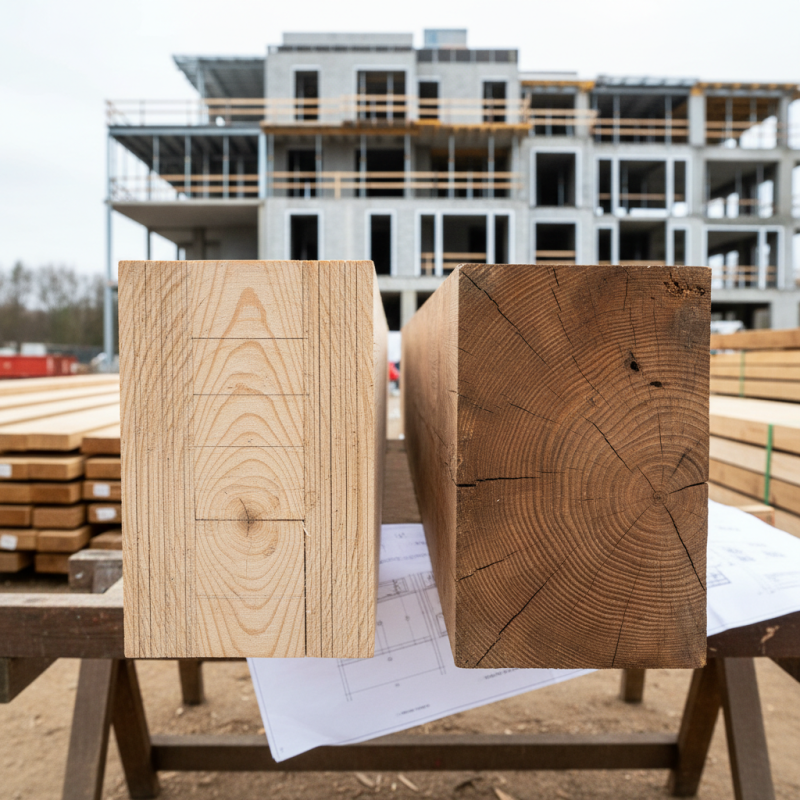
Benefits of LVL Beams: Strength and Stability Compared to Solid Wood
When considering construction materials, LVL (Laminated Veneer Lumber) offers remarkable benefits. The strength of LVL beams surpasses that of solid wood. This engineered material consists of thin layers of wood, bonded together. This process maximizes strength and minimizes defects, creating a reliable support structure.
Strength is a significant advantage of LVL. It can span longer distances without sagging. This is particularly useful for large spaces where solid wood beams might fail. Additionally, LVL provides uniformity, reducing the chances of warping, splitting, or twisting under weight. This stability can enhance the integrity of your building.
Tip: Always check load requirements for your project. Knowing these specifications can help you choose the right size and type of LVL beam.
An important aspect is the consistency of material quality. Unlike solid wood, LVL is less affected by environmental factors. It maintains structural reliability in varying conditions. However, not all projects require LVL beams. In some instances, solid wood might be sufficient. It's essential to assess the specific needs of your project for optimal results.
Tip: Consult with a structural engineer. Their expertise can guide you in making well-informed decisions.
Ultimately, choosing LVL beams can lead to stronger and more stable constructions, making them a worthy alternative to solid wood.
Cost-Effectiveness of LVL Beams Over Solid Wood Options
When considering beam options, LVL beams stand out for their cost-effectiveness. They offer an excellent alternative to solid wood. With engineered wood, you can often save money upfront. LVL is usually less expensive than high-quality solid hardwood. This allows homeowners and builders to allocate funds toward other essential project elements.
Using LVL beams can reduce overall construction costs. Their uniform strength means fewer materials are needed. Additionally, LVL beams are less likely to warp or twist over time. This reliability can prevent costly repairs later. In the long run, investing in LVL can lead to significant savings.
Tips: Consider the specific structural needs of your project. A structural engineer can guide you effectively. Also, verify the installation costs, as they may vary. Keep in mind that while LVL is efficient, proper care in installation is critical for the best results. Be mindful of moisture exposure during the build. These steps can ensure your investment pays off reliably.
Environmental Sustainability: LVL Beams vs. Traditional Solid Wood
When considering environmental sustainability, LVL (Laminated Veneer Lumber) beams present a compelling alternative to traditional solid wood. LVL beams are engineered from multiple layers of thin wood veneers, making them more resource-efficient. They can be produced from fast-growing, renewable species, reducing the pressure on old-growth forests. This approach minimizes deforestation and helps preserve valuable ecosystems.
Moreover, LVL beams generate less waste during production. The process utilizes more of the wood, leaving fewer byproducts compared to solid wood sourcing. This efficiency contributes positively to the environment. In contrast, solid wood beams often involve extensive logging, impacting wildlife habitats and increasing carbon footprints. Choosing LVL allows builders to opt for a sustainable option without compromising structural integrity.
However, it’s essential to recognize potential shortcomings. LVL production involves adhesives, which may raise concerns about indoor air quality. Continuous research is needed to improve these materials and ensure safety standards. Additionally, while LVL offers various advantages, some may prefer the aesthetics of natural wood grain. Exploring the balance between beauty and sustainability is crucial as we move forward.
Moisture Resistance and Structural Integrity of LVL Beams
LVL beams, or laminated veneer lumber, are becoming increasingly popular in construction. One of their standout features is moisture resistance. Unlike solid wood beams, LVL beams are less affected by humidity changes. This quality helps prevent twisting or warping. In environments with varying moisture levels, LVL beams maintain their structural integrity better than traditional wood.
When constructing or renovating, consider the following tips:
- Store LVL beams in a dry place before installation. Moisture absorption can weaken even the best materials.
- Ensure proper ventilation in enclosed spaces. This minimizes moisture buildup around beams.
Another notable attribute of LVL beams is their ability to carry heavy loads. This makes them ideal for both residential and commercial structures. The manufacturing process involves gluing thin layers of wood together. It creates a strong product that resists common issues found in solid wood, like knots and defects.
Remember, choosing the right materials is crucial. Not all projects will benefit from LVL beams. Some may still prefer the aesthetic and characteristics of solid wood. Ultimately, understanding the strengths and limitations of each option is vital for a successful build.
Top 10 Reasons to Choose LVL Over Solid Wood Beams
Ease of Installation: LVL Beams Versus Solid Wood Beams
When it comes to construction, choosing the right material can significantly affect the ease of your project. LVL (Laminated Veneer Lumber) beams often shine over solid wood beams in this regard. Their lightweight nature makes them easier to handle and install. Transporting and maneuvering LVL beams through tight spaces is more manageable. This can save both time and labor costs on job sites.
Installation efficiency is also enhanced with LVL beams. Often, they require fewer adjustments during the setup process. Their uniformity reduces the chance of defects that you might find in natural wood. However, it’s essential to ensure that your team is properly trained. Mistakes during installation can lead to costly setbacks.
While LVL beams offer significant advantages, it’s important to consider environmental factors too. Not all projects are suitable for this type of beam. The integration with other materials can pose challenges. As more builders advocate for sustainability, a thoughtful approach in selection is crucial. Balancing efficiency with long-term performance may require reflection and adjustments throughout the installation phase.
Top 10 Reasons to Choose LVL Over Solid Wood Beams
| Reason |
LVL Beams |
Solid Wood Beams |
| 1. Strength |
High strength-to-weight ratio |
Varies based on wood species |
| 2. Stability |
Less prone to warping |
Can warp and twist |
| 3. Weight |
Lighter and easier to handle |
Heavier and more cumbersome |
| 4. Consistency |
Uniform size and quality |
Natural variations in size and knots |
| 5. Ease of Installation |
Easier to install with less labor |
Requires more effort and skill |
| 6. Cost |
Generally more cost-effective |
Higher material costs |
| 7. Size Availability |
Available in longer lengths |
Limited by tree size |
| 8. Environmental Impact |
Made from sustainable resources |
Deforestation concerns |
| 9. Fire Resistance |
Generally treated for better fire resistance |
Natural wood can ignite easily |
| 10. Design Flexibility |
Can be engineered for specific applications |
Limited to natural dimensions |
Conclusion
When considering the question of "Why use LVL instead of solid wood beams," there are several compelling advantages to consider. LVL beams offer enhanced strength and stability, making them a superior choice for various structural applications compared to traditional solid wood. These engineered beams are not only cost-effective but also provide a sustainable alternative, as they utilize reconstituted materials that minimize wood waste.
Moreover, LVL beams exhibit excellent moisture resistance, which helps maintain their structural integrity over time, reducing the risk of warping and deterioration. Their ease of installation further adds to their appeal, allowing for quicker construction times and less labor effort. Overall, opting for LVL beams can lead to better long-term performance and efficiency in building projects, making them an attractive option for both contractors and homeowners.
 Regit Decor
