When it comes to boat building, choosing the right materials can make all the difference. You may wonder, "What are the best plywood types for boat building?" The answer lies in understanding the unique properties of different plywood types. Various factors such as water resistance, strength, and weight play a significant role in selection.
Marine-grade plywood is often recommended for its durability in harsh conditions. However, not every project requires premium materials. Others might find that lighter types offer better performance for their specific designs. It's essential to evaluate your boat's intended use, whether for leisure or sports.
Ultimately, the best plywood is one that balances quality and budget. Cost-saving alternatives exist, but they might compromise longevity, requiring thoughtful consideration. Experimentation with different materials can lead to valuable insights into their performance over time. What starts as a simple question about plywood can evolve into a deeper understanding of craftsmanship.
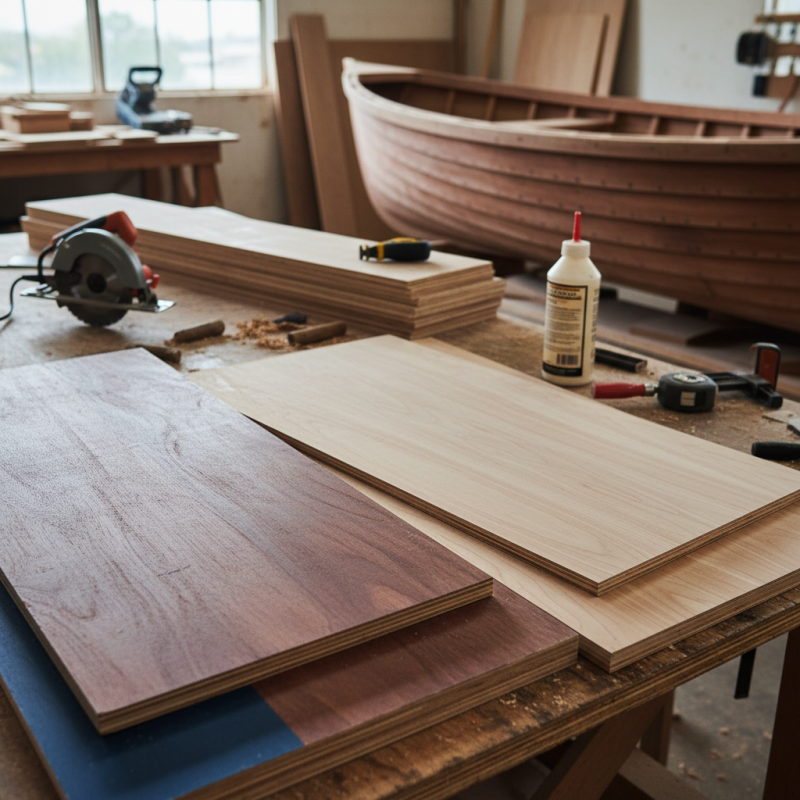
Types of Plywood Commonly Used in Boat Building
When it comes to boat building, the choice of plywood is crucial. Many builders opt for marine plywood due to its durability and resistance to moisture. According to industry studies, marine plywood typically uses a waterproof adhesive. This ensures that the layers remain bonded even in wet conditions.
However, not all plywood types are created equal. Meranti plywood is popular for its balance of weight and strength. It is often used in smaller boats, but may not withstand long exposure to harsh marine environments. Alternatively, birch plywood, known for its fine grain and aesthetic appeal, is often selected for interior fittings. Yet, its susceptibility to moisture can be a drawback.
Another commonly used option is okoume plywood. This type is prized for its lightweight nature and smooth finish. It is ideal for speedboats and racing vessels. Nevertheless, the cost might deter some builders. Selecting the right plywood requires a careful balance of factors like weight, cost, and lifespan. Each choice has its pros and cons that builders must weigh.
Properties of Marine Plywood vs. Other Plywood Types
Marine plywood is often regarded as the best choice for boat building. It is specifically designed to withstand water exposure. This plywood type features a waterproof glue and is made from durable wood species. The layers are also bonded tightly, reducing the chances of delamination.
In contrast, other plywood types might not offer the same level of resistance. For example, interior plywood is usually less durable and not suitable for boat use. It may swell or warp when exposed to moisture. Exterior plywood, while better than interior types, may not always have the right glue for prolonged water exposure.
There is a trade-off to consider with marine plywood. It is typically more expensive due to its high-quality materials. Some builders may wonder if the added cost is worth it for occasional use. Reflecting on the investment is crucial. Understanding the differences in properties helps ensure the right choice is made for specific needs.
Top Plywood Types for Boat Building Which One is Best?
| Plywood Type |
Water Resistance |
Weight |
Cost |
Best Uses |
| Marine Plywood |
Excellent |
Heavy |
High |
Boat hulls, structures |
| Exterior Plywood |
Good |
Medium |
Moderate |
Decks, cabins |
| Interior Plywood |
Low |
Light |
Low |
Cabinets, furniture |
| Bamboo Plywood |
Moderate |
Light |
Moderate |
Interior panels, accents |
| Film Faced Plywood |
Excellent |
Heavy |
High |
Temporary structures, flooring |
Factors to Consider When Choosing Plywood for Boats
When selecting plywood for boat building, several key factors come into play. Durability is vital, as the plywood must resist moisture and rot. Marine-grade plywood is often recommended for its superior waterproof qualities. A industry report by the National Marine Manufacturers Association highlights that up to 70% of boats suffer from wood deterioration if not properly maintained. This underlines the importance of choosing the right material.
Another consideration is weight. Lightweight plywood enhances performance and fuel efficiency. According to a study by the Marine Industry Association, boats built with lighter materials can achieve 20% better speed and maneuverability. The thickness of the plywood also affects its strength and flexibility. Typically, 1/4 inch to 1/2 inch thick sheets are used, but this varies by design and purpose.
Cost is another crucial factor. While higher quality plywood may come with a steep price tag, the long-term benefits often outweigh initial expenses. A report from the Boat Builders Association indicates that investing in quality materials can extend a boat's lifespan by nearly 30%. It's also worth noting that even the best plywood can face challenges, like delamination if not treated properly. Careful selection and consideration of these factors are crucial for successful boat construction.
Top Plywood Types for Boat Building: A Comparative Analysis
This chart compares the strength (in MPa) of five common plywood types used in boat building. Marine plywood stands out with the highest strength, making it the best choice for durability and performance in marine environments.
Comparative Analysis of Cost and Durability in Plywood Types
When selecting plywood for boat building, cost and durability are key factors.
Marine-grade plywood is often recommended for its resistance to moisture and rot. However, this type can be expensive. On the other hand, cheaper exterior-grade plywood may not hold up as well in wet conditions.
It might save money upfront but could lead to higher maintenance costs down the line.
Bamboo plywood offers an eco-friendly option, combining strength and flexibility. It is lightweight and can withstand extreme temperatures.
But, its performance in saltwater environments is still under study.
Balancing these factors is essential. Some builders prefer a mix of materials, leveraging the advantages of each type. While one type may excel in durability,
the cost might overshadow its benefits. Making an informed choice can be challenging, but it is crucial for a successful boat project.
Maintenance and Care Tips for Plywood Boats
Maintaining plywood boats requires consistent attention. Regular inspections help catch issues early. Look for cracks, delamination, or soft spots. These could indicate water intrusion, which is detrimental. A survey by the American Boat and Yacht Council highlights that regular maintenance can increase a boat's lifespan significantly.
Cleaning is essential for longevity. Use mild soap and water for the hull. Avoid harsh chemicals that could damage the finish. After cleaning, dry thoroughly to prevent mold. According to industry data, over 70% of boat owners neglect cleaning, leading to costly repairs. This oversight can shorten a boat's lifespan.
Protective coatings are key in planning maintenance. Applying marine varnish can shield against UV rays and moisture. Reapplication should occur every few years, as suggested by experts. This care can preserve the plywood's integrity. Yet, many boaters underappreciate the impact of varnish. They may view it as a cosmetic choice rather than a necessity. It's crucial to shift this mindset to ensure your boat stays in prime condition.
FAQS
: Marine plywood is often preferred for its durability and moisture resistance.
Meranti plywood offers a good weight-strength balance but may struggle with harsh marine conditions.
Birch plywood has a fine grain and aesthetic appeal. However, it is sensitive to moisture.
Okoume plywood is lightweight and has a smooth finish, making it ideal for speedboats.
Lighter plywood can improve speed and fuel efficiency, enhancing overall boat maneuverability significantly.
Regular inspections, cleaning with mild soap, and applying marine varnish are vital for longevity.
Experts suggest reapplying marine varnish every few years to maintain plywood integrity.
Many neglect regular cleaning, which can lead to costly repairs and shortened lifespan.
Look for cracks, delamination, or soft spots that indicate potential water intrusion.
Investing in higher quality plywood can extend a boat's lifespan by nearly 30%, making it worthwhile.
Conclusion
In the world of boat building, selecting the right materials is crucial for achieving durability and performance. This article explores the best plywood types for boat building, focusing on the various types commonly used, such as marine plywood, and how they differ from other plywood types. It highlights the superior properties of marine plywood, which is specifically designed to withstand harsh environments, compared to standard plywood options.
Moreover, the article discusses essential factors to consider when choosing plywood for boats, such as weight, cost, and resistance to water and rot. A comparative analysis of cost and durability among different plywood types provides valuable insights for boat builders. Finally, the piece offers maintenance and care tips that are vital for prolonging the life of plywood boats. Therefore, when asking "What are the best plywood types for boat building?" one must consider these aspects to make an informed decision.
 Regit Decor
