Plywood is a crucial material in construction, but it is vulnerable to moisture. When plywood gets wet, it can lead to significant structural issues. A report by the Plywood Association indicates that moisture can weaken plywood's integrity. What happens if plywood gets wet during construction? Typically, the wood swells and can become warped, compromising its strength. This not only impacts aesthetics but also safety.
Inadequate drying can lead to mold growth, which poses health risks. Data from the Environmental Protection Agency shows that mold thrives in damp conditions. Even small amounts of moisture can initiate this process. Homeowners and builders must consider these factors seriously. Ignoring wet plywood can result in costly repairs and delays.
Developing a proactive approach is essential. Waterproof coverings and proper storage techniques can mitigate risks. However, even with precautions, wet plywood may still become an issue. Understanding the implications of moisture on plywood empowers construction professionals to address potential problems effectively.
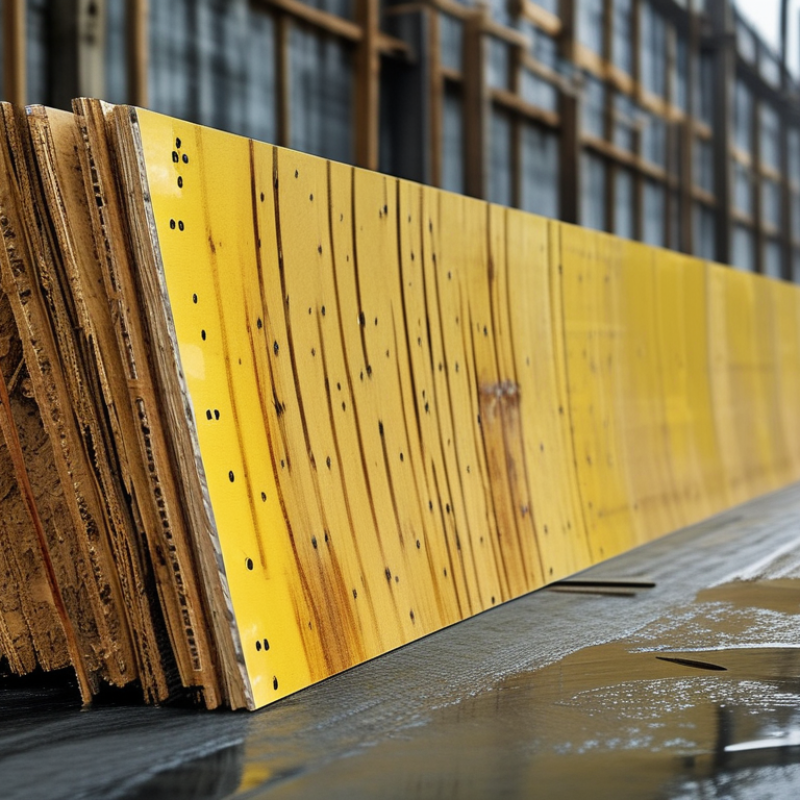
Identifying the Signs of Wet Plywood During Construction
Wet plywood can pose serious risks during construction. Knowing how to identify the signs is crucial. One of the most visible indicators is discoloration. If you notice dark spots or blotches on the surface, it likely means moisture has penetrated. Warping and bending are also common. If your plywood has become misshapen, it will not hold its structural integrity. Finally, a musty odor can signal mold growth, which can endanger both health and safety.
Tips: Ensure proper ventilation in construction areas. This minimizes moisture buildup. Using a moisture meter can help detect hidden dampness before it becomes harmful. If you suspect plywood is wet, refrain from using it until it dries completely. Quick action can prevent further damage and costly repairs.
Regular inspection is key to maintaining quality. Look out for signs of delamination, where the layers of plywood separate. This can lead to further deterioration. Not all visible defects will show right away, so take time to closely examine each sheet. Remember, ignoring these signs can compromise your project's safety and effectiveness. Trust your instincts and prioritize quality.
Immediate Steps to Take When Plywood Becomes Wet
When plywood gets wet during construction, immediate steps are essential to minimize damage. First, identify the extent of the water exposure. Inspect the plywood thoroughly. Look for warping, swelling, or discoloration. If any sections are heavily soaked, prioritize removing them.
Once assessed, dry the plywood as quickly as possible. Use fans or dehumidifiers to circulate air around the wet areas. Position them strategically to maximize air flow. Remember to elevate the plywood off the ground, if safe to do so. This allows air to reach all surfaces.
If the waterlogged plywood is salvageable, it may need some treatment. Consider applying a sealant or waterproofing agent once fully dry. However, it's crucial to monitor for mold growth. Given the right conditions, mold can develop quickly. If mold appears, professional remediation may be required. Swift action can save not only the plywood but also the integrity of your entire project.
Techniques for Drying Wet Plywood Safely
When plywood gets wet during construction, it’s crucial to act quickly.
Wet plywood can warp, swell, or lose structural integrity.
Drying it properly is essential for safety and longevity.
One effective technique is to increase air circulation. Use fans to blow air across the surface of the plywood.
This method can speed up evaporation.
Position the fans at different angles for maximum exposure. It’s a simple yet effective way to tackle moisture.
Another method involves using heat. A dehumidifier is a good choice to extract moisture from the air.
If one is not available, a space heater can also help but should be used cautiously to prevent burning.
Always monitor the plywood to avoid overheating or causing further damage.
Tips: Check the plywood regularly for signs of mildew or mold.
This can happen even when plywood appears dry.
If any dark spots appear, clean them immediately.
Always ensure that drying is complete before reusing the plywood in your project.
It’s better to take extra time than to face structural issues later.
Assessing Damage: When to Replace Plywood Materials
Assessing the damage to plywood is crucial after it gets wet during construction. Water exposure can lead to delamination, warping, and mold growth. The American Plywood Association indicates that plywood is highly susceptible to these issues when wet. Even a minor amount of moisture can weaken its structural integrity.
When determining whether to replace plywood, consider the extent of the exposure. If it has been submerged or remains damp for several days, replacement is likely necessary. In contrast, if the water exposure is minimal and the plywood was promptly dried, it may still be salvageable. A moisture meter can help assess the moisture levels. Research shows that plywood with a moisture content exceeding 20% often shows deterioration.
Remember, the visual inspection won't always reveal underlying damage. Look for signs of metal fastener corrosion or wood discoloration. Also, weigh the cost of replacement against potential future damage. Keeping safety in mind is essential. Moist, compromised plywood can not only endanger the structure but also pose risks to workers. Thus, thorough assessment and sound judgment are critical in such situations.
Impact of Plywood Moisture on Structural Integrity
This chart illustrates the percentage of plywood affected by varying levels of moisture damage during construction. It highlights the need for careful assessment and the possibility of replacement based on the severity of the damage.
Preventive Measures to Protect Plywood from Water Damage
Plywood is a versatile material in construction, but it can suffer from water damage. Preventive measures are crucial. A study by the American Forest & Paper Association indicated that up to 20% of construction costs can arise from material deterioration due to moisture. Proper protection strategies are vital.
To begin, use tarps or waterproof covers to shield plywood during rain or transportation. This lessens exposure to water. Additionally, consider elevating plywood off the ground with pallets or wooden blocks. This allows air circulation, reducing moisture absorption. Many builders overlook this simple solution, which is a missed opportunity to protect their materials.
Another effective measure is applying a sealant. A report from the Wood Products Council highlights that treated plywood can resist rot and mildew. Investing in this can lead to long-term savings, despite upfront costs. Some may feel sealants are unnecessary, but the potential damage outweighs these thoughts. Properly protecting plywood ensures a more robust structure, backing the importance of preventive actions.
What to Do If Plywood Gets Wet During Construction? - Preventive Measures to Protect Plywood from Water Damage
| Preventive Measure |
Description |
Effectiveness |
Cost Estimate |
| Cover with Tarps |
Use waterproof tarps to shield plywood from rain and moisture. |
High |
$50 - $150 |
| Use a Storage Shed |
Store plywood in a dry and secure location away from weather elements. |
Very High |
$200 - $500 |
| Sealant Application |
Apply water-resistant sealants to protect plywood surfaces. |
Moderate |
$30 - $100 |
| Elevate Plywood |
Place plywood on a platform or pallets to avoid ground moisture. |
High |
$20 - $50 |
| Proper Ventilation |
Ensure airflow around stored plywood to prevent moisture buildup. |
Moderate |
$0 - $20 |
FAQS
: Act quickly to dry it. Use fans to circulate air over the surface.
Position fans at different angles. This increases exposure to air and speeds up evaporation.
Yes, a dehumidifier is ideal. A space heater can help but requires careful monitoring to avoid damage.
Regularly check for mildew or mold. Dark spots indicate potential issues that need immediate cleaning.
Use tarps or waterproof covers during rain. This reduces direct water exposure.
Yes, using pallets or wooden blocks allows airflow. Many overlook this simple protective step.
Yes, it can resist rot and mildew. Neglecting sealants can lead to costly long-term damage.
Some may rush the process. It's essential to ensure plywood is completely dry to avoid future issues.
Preventive measures can save costs. Up to 20% of construction expenses can arise from moisture damage.
Yes, surface dryness doesn't guarantee safety. Always inspect plywood thoroughly before reuse.
Conclusion
When plywood gets wet during construction, it's crucial to identify the signs of water exposure early on. Common indicators include discoloration, warping, and swelling. Once wet plywood is detected, immediate steps should be taken to mitigate damage, such as removing it from moisture sources and ensuring proper ventilation. Techniques for drying include using fans or dehumidifiers, but care must be taken to avoid further damage.
Assessing the extent of the damage is essential in determining whether to repair or replace the plywood materials. If the structural integrity is compromised, replacement is often necessary. Ultimately, implementing preventive measures—such as proper storage and covering plywood with waterproof materials—will help protect against water damage, ensuring that questions about what happens if plywood gets wet during construction are minimized.
 Regit Decor
