When considering home improvement projects, many homeowners seek cost-effective alternatives to expensive materials. One common question arises: "Can you stain plywood to look like expensive hardwood?" This inquiry reflects a growing trend in the DIY community, where the balance between aesthetics and budget is crucial. According to a 2022 National Association of Home Builders report, around 60% of homeowners prioritize affordability in their renovation choices. Plywood, often seen as a utilitarian material, can be transformed with the right techniques and products.
Industry experts highlight that the right stain can mimic the rich tones of hardwood. A 2021 study by the Wood Products Council suggests that 75% of homeowners who use stain techniques report satisfaction with the results. However, results can vary based on the type of plywood, the stain used, and the application method. Some users note that the process requires patience and experimentation to achieve a desirable finish. It’s essential to measure expectations realistically; while stained plywood can look appealing, it may not fully replicate the depth and texture of genuine hardwood. This exploration invites a practical approach to artistry in home design.
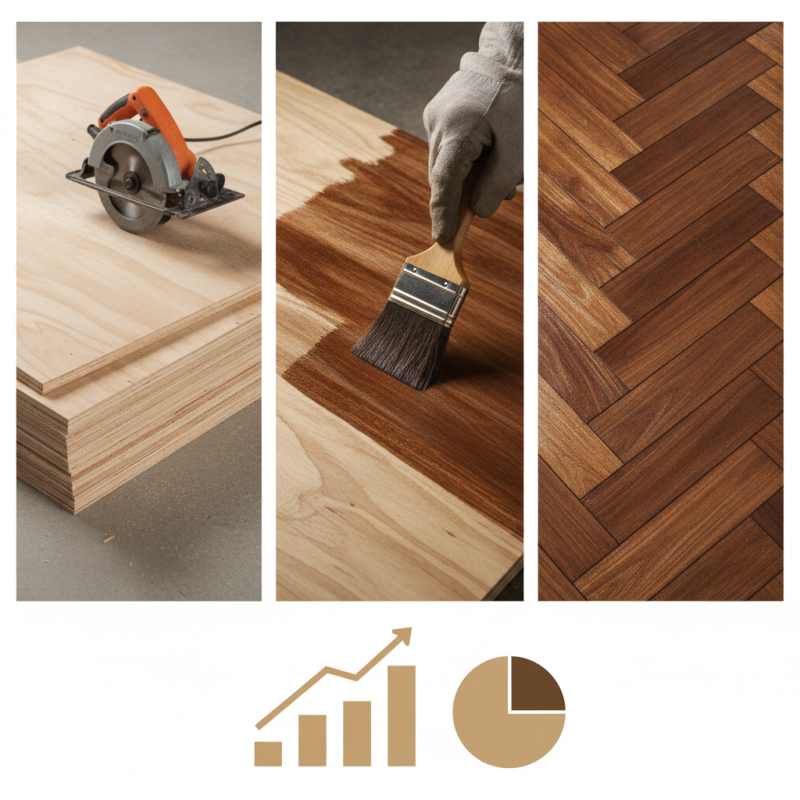
Can Plywood Be Stained to Imitate High-End Hardwood Finishes?
Staining plywood to mimic high-end hardwood finishes has become increasingly popular in recent years. According to industry reports, over 60% of homeowners now prefer the look of luxury woods, but cost remains a barrier. Plywood offers a budget-friendly alternative. Skilled artisans can stain plywood to create a convincing appearance of expensive timbers like cherry or walnut. The right stain can enhance the wood grain, adding richness and depth.
However, there are challenges. Plywood is engineered wood, composed of layers. This structure can sometimes absorb stain unevenly. Users may find that achieving a flawless finish takes practice and patience. Initial attempts may yield splotchy surfaces that reflect the plywood's layered nature instead. Expert recommendations emphasize the need for proper surface preparation, including sanding and priming.
Despite these hurdles, many DIY enthusiasts are inspired by the potential of plywood. A study found that nearly 70% of participants were satisfied with their stained plywood projects. They admired the aesthetics achieved through creative techniques. Experimentation can lead to surprising results, making it a rewarding process for those who wish to achieve a high-end look on a budget.
Understanding the Characteristics of Plywood vs. Solid Hardwood
Plywood and solid hardwood are two popular materials in woodworking. They have distinct characteristics that affect their appearance and durability. Plywood, made from thin layers of wood veneer, is often more affordable. It offers stability and resistance to warping, making it a practical choice for many projects. However, the layers can be visible, and the surface may lack the depth of solid hardwood.
Solid hardwood is prized for its beauty and durability. Each piece has unique grain patterns, contributing to its luxury feel. When staining plywood, achieving the same richness as solid hardwood can be challenging. Even the best techniques may not mask the layered look completely.
Staining plywood may help enhance its appearance. However, the results can vary based on the wood type and stain used. Some might find the finish less satisfying than expected. It’s essential to test stains on samples before committing. Understanding these differences will help in choosing the right material for your project.
Comparison of Plywood and Solid Hardwood Stain Absorption
This chart illustrates the stain absorption levels of different plywood and hardwood types. Generally, solid hardwoods like Cherry and Walnut absorb more stain compared to plywood options, allowing them to achieve a richer, more vibrant finish that resembles expensive hardwoods.
Choosing the Right Stain: Water-Based vs. Oil-Based Options
Choosing the right stain for plywood can significantly enhance its appearance. Two main types of stains exist: water-based and oil-based. Each has distinct characteristics that may influence your choice. According to a report from the Woodworking Industry, around 56% of professionals prefer oil-based stains for their depth and richness in color.
Oil-based options tend to penetrate deeper into the wood. This creates a longer-lasting finish. They also offer greater durability, essential for high-traffic areas. However, they emit stronger odors and require longer drying times. A study indicated that oil-based stains can take up to 72 hours to cure fully, increasing project timelines.
On the other hand, water-based stains are rising in popularity. They dry faster, usually within one to two hours. This is beneficial for quick projects or when time is an issue. Yet, they can sometimes result in a lighter finish, leading to potential disappointment. Professionals note that achieving a deep hue may require multiple coats, making it a bit of a balancing act. Ultimately, weighing the pros and cons of each can guide you to the best choice for your plywood project.
Application Techniques for Achieving a Rich, Hardwood Look
When aiming to stain plywood to mimic the look of expensive hardwood, the technique plays a crucial role. Start with proper surface preparation. Sand the plywood lightly to create a smooth surface. Remove dust using a damp cloth. This step ensures better stain absorption, leading to a more refined finish.
Choose a suitable stain that closely resembles the hardwood you want to replicate. Apply it evenly with a brush or rag. Work in small sections to avoid lap marks. If the wood grain appears uneven after the first coat, don't hesitate to add more layers. Multiple thin coats can enhance depth and richness effectively.
Consider finishing with a protective sealant. This not only enhances the appearance but also adds durability. However, applying the sealant can sometimes create a glossy finish that may look less natural. Test the sealant on a scrap piece first. Adjust your technique based on the results. Remember, achieving the perfect hardwood look takes patience and experimentation. Embrace possible imperfections along the way as opportunities for improvement.
Finishing Touches: Protective Coatings for Durability and Aesthetics
When it comes to finishing plywood to resemble hardwood, protective coatings play a vital role. These coatings not only enhance the aesthetics but also provide essential durability. A clear polyurethane finish can create a glossy surface that mimics the sheen of expensive wood. This step is crucial, as unprotected wood will absorb moisture and warp over time.
Choosing the right coat can be challenging. For a natural look, consider a satin finish. It refrains from overpowering the stained wood underneath. However, achieving uniform application can take practice. Brush strokes and uneven patches can detract from your desired effect. Test on small sections first.
In addition, consider the environment where the finished piece will live. Humidity levels and exposure to sunlight affect the longevity of your finish. On occasion, you might find that a touch-up is necessary sooner than expected. Regular maintenance ensures that your plywood retains its beauty without sacrificing integrity. Always be prepared for these adjustments.
FAQS
: Yes, staining plywood can mimic luxury woods. Skilled artisans can create convincing finishes.
Plywood can absorb stain unevenly due to its layered structure. This sometimes results in splotchy surfaces.
Proper surface preparation is crucial. Sanding and dust removal lead to better stain absorption and a refined finish.
Apply stain evenly and in small sections. Multiple thin coats enhance depth and create a realistic appearance.
Yes, a protective sealant adds durability and enhances appearance. However, test it first on scrap wood for best results.
Imperfections are common. They offer chances for improvement. Adapt your technique with each attempt for better results.
Select a stain that closely resembles the hardwood you wish to imitate. This will help achieve the desired look.
Many DIY enthusiasts report satisfaction with their stained plywood projects. Creative techniques can lead to surprising and rewarding results.
Achieving a perfect finish takes practice and patience. Expect to refine your technique across different projects.
If the grain appears uneven, apply more layers. This can help achieve a richer, more uniform appearance.
Conclusion
The article "Can You Stain Plywood to Look Like Expensive Hardwood?" explores the feasibility of transforming plywood into a visually appealing substitute for solid hardwood. It delves into the inherent differences between plywood and solid hardwood, highlighting their respective characteristics, which impact the staining process. The discussion includes selecting the appropriate stain, comparing water-based and oil-based options to achieve the desired finish.
Additionally, effective application techniques are emphasized, showcasing methods that can enhance the richness of the wood's appearance. The article concludes with a focus on protective coatings that not only boost durability but also enhance the aesthetic quality of the stained plywood, ultimately answering the question of whether you can achieve a high-end hardwood look with this versatile material.
 Regit Decor
