How to remove mold from plywood surfaces effectively?

Time:2026-06-25 Author:Ethan
0%

Mold can be a persistent problem on plywood surfaces, especially in damp environments. Howard Green, a mold remediation expert with over 15 years of experience, emphasizes that "effective removal requires the right techniques and safety precautions." Understanding how to remove mold from plywood surfaces is essential for maintaining a healthy living space.

Plywood, being porous, can absorb moisture easily. This makes it a prime location for mold growth. If mold is left untreated, it can lead to structural damage and health issues. Proper techniques can make a significant difference. Using vinegar or a specialized cleaner can help. However, it's important to remember that not every method is foolproof. Some areas may be hard to reach, and mold can linger even after cleaning.

Inexperienced DIY attempts can sometimes worsen the situation. Relying on expert advice can provide a clearer path to success. Mold removal requires both patience and persistence. It’s a process that may require reflection and adjustment. The goal should be a thorough understanding of how to remove mold from plywood surfaces effectively, ensuring safety and long-lasting results.
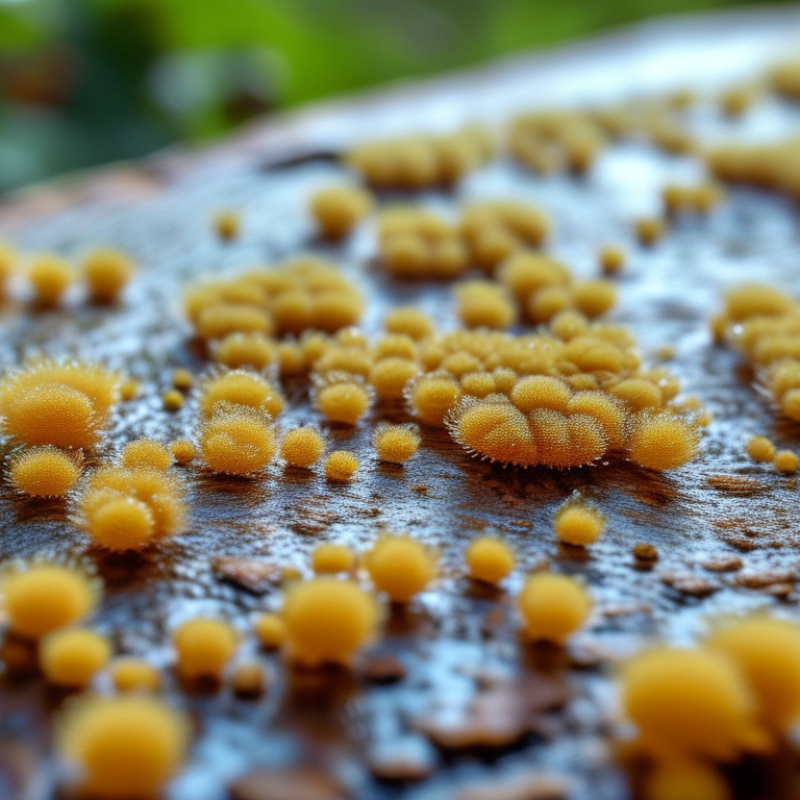
How to remove mold from plywood surfaces effectively?

Understanding the Health Risks Associated with Mold on Plywood Surfaces

Mold on plywood surfaces is more than just an eyesore. It poses serious health risks. Breathing in mold spores can lead to respiratory issues, triggering allergies and asthma. Some people might experience headaches or fatigue after exposure. Prolonged contact can raise the risk of chronic lung disease. Children and the elderly are especially vulnerable.

Understanding these risks is crucial for monitoring your environment. Mold thrives in damp, warm places. If you notice a musty smell or see discoloration, it's time to act. Simple visual checks can help. Your health is worth the effort. Ensuring that your home is well-ventilated can reduce moisture levels.

Dealing with mold isn’t always straightforward. It requires diligence and sometimes professional help. DIY solutions can fail if not applied correctly. Consider seeking advice from experts if the infestation is severe. Ignoring mold can lead to bigger health problems down the line. Remember, awareness and proactive measures can protect you and your loved ones from unseen dangers.

Identifying the Types of Mold Commonly Found on Plywood

Mold can thrive on plywood surfaces, especially in damp conditions. Identifying the types of mold present is crucial for effective removal. The most common mold types found on plywood include Aspergillus, Penicillium, and Cladosporium. These molds can cause structural damage and health issues, as stated in reports from the Environmental Protection Agency.

Aspergillus can appear as black, green, or white patches, often found in humid areas. Penicillium usually manifests as blue or green colonies. Cladosporium, on the other hand, may appear black or olive green. Recognizing these types ensures appropriate action is taken.

Tips: Always inspect areas that are prone to moisture. Check basements, attics, and bathrooms regularly. Use protective gear when dealing with mold. Regular ventilation can significantly reduce mold growth. People often overlook monitoring humidity levels, which should ideally be between 30% and 50%.

Mold can return if not addressed properly. Regular cleaning with safe mold removers is essential. However, do not underestimate the potential for hidden mold growth within the plywood. Regular monitoring and cleaning will help maintain a safe living environment.

Essential Tools and Materials for Effective Mold Removal

Removing mold from plywood surfaces requires the right tools and materials. A plastic scraper is essential for gently lifting mold. Use a soft-bristle brush for scrubbing. A sponge helps to apply cleaning solutions evenly.

For solutions, white vinegar works wonders. It's safe and effective against most mold types. Alternatively, a mixture of water and baking soda can be a gentle option. A spray bottle is useful for applying these solutions. Make sure to wear gloves and a mask to protect yourself during the process.

Ventilation is key. Open windows to ensure air circulation. If mold is extensive, consider consulting a professional. However, remember that not all mold removal methods are foolproof. Some stains may linger even after thorough cleaning. It’s important to remain vigilant for regrowth. Review your cleaning process regularly to ensure effectiveness.

Step-by-Step Guide to Safely Remove Mold from Plywood

Mold on plywood can be a persistent issue, especially in damp environments. A recent report from the Environmental Protection Agency (EPA) states that mold can grow within 24 to 48 hours of water exposure. Addressing this promptly is crucial to maintaining a safe environment, as mold spores can affect indoor air quality. To tackle mold effectively, start by ensuring proper ventilation. Open windows or use fans to help air circulate and reduce humidity levels.

Once ventilation is established, prepare a cleaning solution. A mixture of soap and water works for minor mold issues. For more severe mold infestations, consider a solution containing a 10% bleach solution. Always wear protective gear, including gloves and masks. When cleaning, scrub the affected areas with a brush to remove mold effectively. Many might overlook details during this process, such as sealing seams or edges on plywood. These areas can harbor spores even after cleaning.

After cleaning, monitor the plywood for any regrowth. Regular inspections can prevent future problems. The CDC suggests that wood surfaces should be kept dry to inhibit mold growth. Regular maintenance, like wiping down surfaces and checking for leaks, can help maintain a mold-free environment. However, reliance on cleaning alone can lead to frustration if moisture control is ignored.

How to remove mold from plywood surfaces effectively?

Step Description Tools Needed Safety Precautions
1 Identify the affected areas and assess the extent of mold growth. None Wear a mask and gloves.
2 Prepare a cleaning solution using water and mild detergent. Bucket, water, mild detergent Ensure proper ventilation.
3 Dampen a cloth with the cleaning solution and scrub the moldy areas. Cloth or sponge Use gloves to avoid skin contact.
4 Rinse the area with clean water and a separate cloth. Clean cloth Wear a mask during rinsing.
5 Allow the plywood to dry completely to prevent mold regrowth. Fan or dehumidifier Keep the area well-ventilated.

Preventative Measures to Keep Plywood Mold-Free in Humid Conditions

Humidity can be a significant challenge for maintaining plywood surfaces. To keep plywood mold-free, start by controlling moisture levels. Use dehumidifiers in damp areas. Ensure proper ventilation in basements and attics. Opening windows can help with airflow. Regularly check for any leaks in plumbing or roofing. Even small leaks can create a damp environment.

Applying protective coatings is an effective strategy. Look for mold-resistant primers or paints designed for wood surfaces. These products create a barrier that prevents mold spores from settling. However, remember that even the best coatings can wear off over time. Regular maintenance and reapplication are crucial.

Consider the placement of your plywood. Avoid direct contact with soil or overly humid walls. Elevate plywood on platforms to promote airflow underneath. It’s also essential to frequently inspect surfaces for any signs of moisture or mold. Taking these steps will significantly reduce the chances of mold growth on your plywood.

Humidity Levels and Mold Growth Potential on Plywood Surfaces

FAQS

: What types of mold are commonly found on plywood?

: Common types include Aspergillus, Penicillium, and Cladosporium. They can cause damage and health issues.

How can I identify Aspergillus mold?

Aspergillus appears as black, green, or white patches. It thrives in humid areas.

What does Penicillium look like?

Penicillium often presents as blue or green colonies. It can spread quickly in damp conditions.

What dangers does mold pose?

Mold can damage structures and affect health. Poor indoor air quality can result from mold spores.

How should I clean mold from plywood?

Start by ensuring proper ventilation. Then, mix soap and water, or use a 10% bleach solution for severe cases.

What safety gear should I wear while cleaning mold?

Always wear gloves and masks. Protective gear is essential to avoid health risks when handling mold.

How can I prevent mold regrowth?

Regularly inspect the plywood after cleaning. Keep wood surfaces dry, and address any leaks promptly.

What humidity levels should I monitor?

Aim for humidity levels between 30% and 50%. This range is crucial for preventing mold growth.

What mistakes should I avoid when cleaning mold?

Don't forget to seal seams or edges. These areas can harbor hidden spores even after cleaning.

What kind of maintenance can help prevent mold?

Regularly wipe down surfaces and check for leaks. Consistent maintenance helps maintain a mold-free environment.

Conclusion

This article titled "How to remove mold from plywood surfaces effectively?" provides a comprehensive guide on the health risks associated with mold on plywood, the types commonly found, and the necessary tools for removal. Understanding the potential health hazards is crucial, as mold can lead to respiratory issues and other health problems. The article outlines essential tools like brushes, protective gear, and cleaning solutions that are effective in the mold removal process.

The step-by-step guide emphasizes safety and thoroughness, ensuring that mold is removed effectively from plywood surfaces. Additionally, the article discusses preventative measures to maintain mold-free plywood, especially in humid environments, which are conducive to mold growth. Overall, this guide serves as a valuable resource for anyone seeking to understand how to remove mold from plywood surfaces and protect their health and property.

Ethan

Ethan

Ethan is a seasoned marketing professional with a deep expertise in our company's innovative product line. With a passion for sharing knowledge and insights, he takes the lead in regularly updating our corporate blog, where he explores industry trends, product features, and effective marketing......