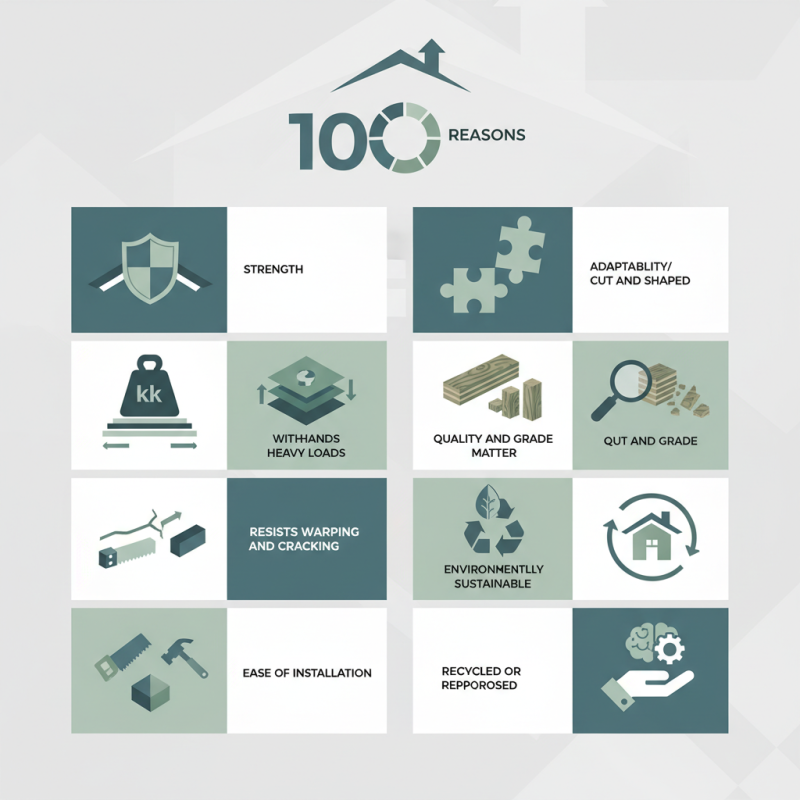
When considering roofing materials, one might ask, "Why is structural plywood necessary for roofing?" This question is crucial for builders, architects, and homeowners. Structural plywood offers unmatched strength and versatility. Its layered construction provides stability, making it a reliable choice for various roofing systems. This material not only withstands heavy loads but also resists warping and cracking, which can lead to costly repairs over time.
Another benefit lies in its ease of installation. Builders appreciate how structural plywood can be cut and shaped to fit specific design requirements. This adaptability minimizes waste and enhances efficiency on-site. However, it’s essential to recognize that not all plywood is created equal. Quality and grade significantly affect performance. Choosing lower-grade plywood might lead to issues down the line.
Additionally, structural plywood is environmentally sustainable when sourced responsibly. It can be recycled or repurposed, aligning with modern construction practices. As we explore the ten compelling reasons for using structural plywood in roofing, we appreciate its role in both functionality and sustainability. As with any construction material, careful consideration is key to making the right choice.
Importance of Structural Plywood in Roofing Applications
Structural plywood plays a crucial role in roofing applications, offering strength and stability. Made from multiple layers of thin wood sheets glued together, it provides a robust platform. This layered design enhances its resistance to warping and cracking, ensuring long-term durability. Construction professionals often rely on high-quality plywood for roofing as it can withstand various weather conditions.
Using structural plywood can significantly improve insulation. When appropriately installed, it reduces heat transfer, keeping buildings comfortable year-round. The lightweight nature of plywood is also advantageous, making it easier to handle without compromising structural integrity. However, reliance on plywood requires careful selection and installation practices. Not all plywood is created equal, and some subpar products may fail under pressure or harsh environments.
Attention to detail is vital when using plywood in roofing. Proper sealing and maintenance can extend its lifespan. Some may overlook these aspects, leading to issues down the line. Continuing education on fundamental practices is essential for builders. Regular inspections can catch potential problems early, allowing for timely interventions. Roofers and builders should stay informed about the best methods for using plywood effectively.
10 Reasons Why Structural Plywood is Essential for Roofing
This chart illustrates the key features of structural plywood that contribute to its essential role in roofing applications. Each feature is rated on its importance, showcasing why structural plywood is preferred in construction projects.
Durability and Longevity of Structural Plywood for Roofing
Structural plywood is a top choice for roofing due to its impressive durability. This material withstands harsh weather conditions effectively. Its layered structure provides strength while allowing flexibility. This resilience helps prevent warping or bending over time. Many roofing projects rely on plywood's ability to hold up against heavy rainfall and snow loads.
Longevity is another remarkable feature of structural plywood. It can last for decades with proper care. When installed correctly, plywood resists rot and pests. This longevity reduces the need for frequent repairs or replacements. However, not all plywood is created equal. Some may not meet strict building codes, leading to potential failures. It's essential to choose high-quality materials.
While plywood offers solid performance, it does require careful maintenance. Regular inspections can help detect early signs of wear. Addressing small issues proactively can prevent larger problems down the line. Each project presents unique challenges, and flexibility is important. A thoughtful approach to installation and maintenance will maximize the lifespan of the plywood roof.
Cost-Effectiveness of Using Structural Plywood in Roof Construction
When considering roofing materials, structural plywood stands out for its cost-effectiveness. It provides a balance between durability and price. With rising construction costs, choosing the right material can save money without sacrificing quality. Structural plywood is often less expensive than alternative materials like metal or concrete.
Plywood’s lightweight nature also contributes to savings. Lighter materials require less support during installation, which can reduce labor costs and time. Additionally, the ease of handling plywood speeds up the construction process. This efficiency can translate into fewer project delays and lower overall expenses.
However, it's essential to consider moisture resistance when using plywood for roofing. Improper sealing can lead to rot, compromising the roof over time. While plywood is a viable option, ensuring it meets quality standards is crucial. Regular maintenance and inspections can help prolong its lifespan and performance. Overall, structural plywood remains a reliable choice for budget-conscious builders looking to invest wisely.
Versatility of Structural Plywood in Different Roofing Designs
Structural plywood is a versatile material used in various roofing designs. Its strength and flexibility make it ideal for both residential and commercial projects. This material can adapt to different shapes and slopes, enhancing the overall roof aesthetics. Architects appreciate how structural plywood accommodates various styles, from modern to traditional.
Using structural plywood effectively involves certain tips. Choose the right thickness based on your roofing needs. Thicker plywood can resist greater loads. Ensure a proper sealing to protect against moisture. Neglecting this can lead to decay over time. Regular inspections can also help catch potential issues early.
Another essential factor is proper installation. Even a quality material like structural plywood can fail if not installed correctly. Ensure that it is laid flat and secured tightly. Consider the changing weather conditions in your area. This can affect how the plywood performs over time. Take time to reflect on these considerations for a more durable roof.
10 Reasons Why Structural Plywood is Essential for Roofing
| Reason |
Description |
Applications |
| 1. Strength and Durability |
Provides excellent load-bearing capacity and can withstand harsh weather conditions. |
Residential and commercial roofing systems. |
| 2. Lightweight |
Easier to handle and install compared to heavier roofing materials. |
Flat roofs and sloped roofing designs. |
| 3. Versatility |
Can be used in various roofing styles and applications. |
Eco-friendly buildings, modern homes. |
| 4. Cost-Effective |
Provides value for money due to its long lifespan. |
Budget-friendly roofing solutions. |
| 5. Easy to Work With |
Simple to cut, shape, and install. |
DIY projects, renovations. |
| 6. Excellent Insulation |
Provides good thermal insulation properties, reducing heating and cooling costs. |
Energy-efficient homes. |
| 7. Resistance to Warping |
Minimizes bending and bowing over time. |
Roofs exposed to high humidity. |
| 8. Sustainability |
Made from renewable resources, making it an eco-friendly option. |
Green building projects. |
| 9. Aesthetic Appeal |
Offers a natural wood finish that enhances architectural design. |
Contemporary and rustic roofing styles. |
| 10. Sound Dampening |
Helps reduce noise from rain and hail. |
Urban and suburban homes. |
Environmental Sustainability of Structural Plywood in Building Projects
Structural plywood is a sustainable choice in roofing materials. It originates from renewable timber sources. This fact already gives it an edge over many synthetic alternatives. Plywood can be easily sourced from responsibly managed forests. This practice helps in preserving biodiversity. Using plywood supports local economies while reducing the carbon footprint.
Plywood also offers significant energy efficiency. It provides excellent insulation properties, reducing heating and cooling needs. This efficiency translates into lower energy bills over time. Many builders appreciate how plywood can be recycled or repurposed. By minimizing waste, this material contributes to a circular economy.
However, it’s essential to consider the production methods. Not all plywood is created equal. Some processes can be environmentally harmful. A careful selection is necessary, focusing on eco-friendly certifications. Building projects must emphasize responsible sourcing and proper management to maximize sustainability.
Conclusion
Structural plywood plays a critical role in roofing applications, providing essential durability and longevity. Its resilience against weather conditions makes it a preferred choice for roof construction, allowing buildings to withstand the test of time. The cost-effectiveness of structural plywood further appeals to builders, as it offers a balance of quality and affordability, making it an attractive option for various roofing projects.
Moreover, the versatility of structural plywood allows it to fit various roofing designs, catering to diverse architectural needs. Additionally, its environmentally sustainable properties contribute to greener building practices, highlighting why is structural plywood necessary for roofing. Overall, the combination of strength, cost efficiency, adaptability, and sustainability underscores the importance of structural plywood in enhancing roofing solutions.
 Regit Decor
