Why Treat Plywood Against Termites and Rot?

Time:2026-10-25 Author:Sienna
0%

Plywood looks solid, yet its thin veneers can absorb moisture through exposed edges, screw holes, and damaged surfaces. Those hidden pathways invite fungal decay and termites. Once swelling appears, the panel may lose strength before the damage becomes obvious. Learning How to treat plywood against termites and rot therefore protects more than appearance. It protects floors, wall sheathing, roof details, furniture, and repair budgets.

Termite biologist Dr. Nan-Yao Su states, “Prevention is always better than cure.” That principle starts with keeping plywood dry and elevated from soil. Seal every cut edge with an appropriate exterior-grade preservative or end-grain sealer. Use pressure-treated or preservative-treated plywood where moisture exposure is expected. Maintain drainage, repair leaks quickly, and improve airflow beneath panels. For termite risk, combine treated materials with physical separation, regular inspections, and professional monitoring. Chemical products must follow their labels and local requirements. More product does not always mean better protection.

Experience also shows an uncomfortable limitation. Surface coating cannot rescue plywood that already feels soft or smells musty. Rot may continue behind paint, and termites may travel through concealed gaps. A careful inspection should check edges, joints, crawl spaces, and nearby timber. Photographs, moisture readings, and dated inspection notes improve reliability. Still, no treatment lasts forever. Poor ventilation, repeated wetting, or careless drilling can undo good work. The most dependable approach combines correct material selection, detailed preparation, controlled application, and ongoing maintenance. A small missed edge can become a costly weakness.
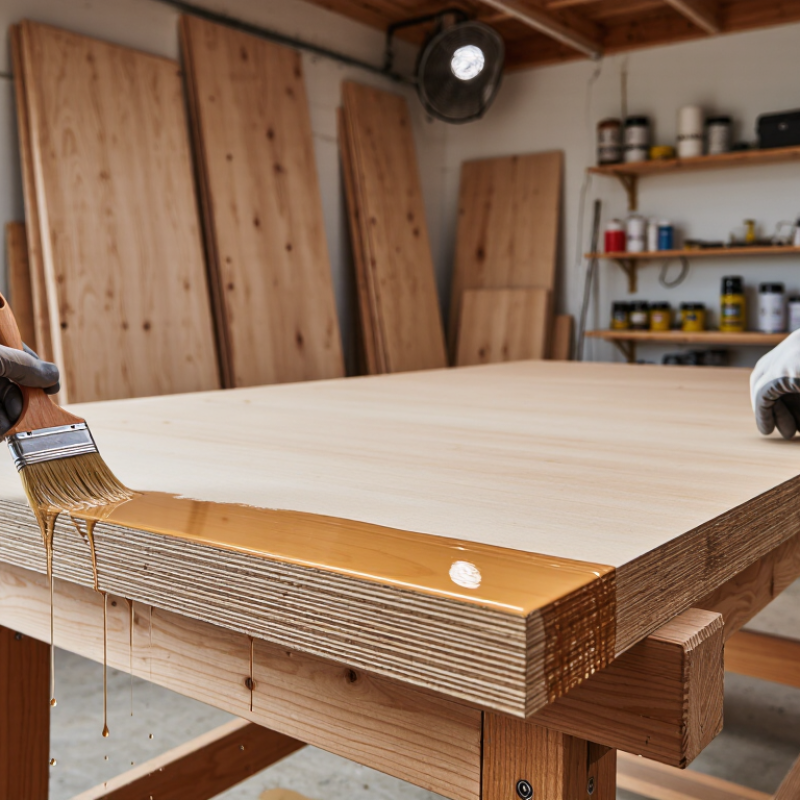
Why Treat Plywood Against Termites and Rot?

Why Plywood Needs Protection from Termites and Rot

Why Treat Plywood Against Termites and Rot?

Plywood needs protection because its layered wood structure can hold moisture, especially along exposed edges and cut surfaces. Termites may enter through gaps, damaged coatings, or soil-contact areas. Fungal decay can begin when damp plywood stays wet for extended periods. Moisture changes everything. Edges fail first.

During site inspections, the most vulnerable locations are often hidden behind trim, beneath floors, and near plumbing openings. A small leak can darken the veneer, soften the layers, and create a hollow sound when tapped. Treating plywood helps reduce water absorption and slows insect damage, but it cannot correct poor drainage or standing water. The surrounding construction still matters.

Protection should cover cut edges, joints, fastener holes, and areas close to the ground. Use materials suitable for the plywood’s intended environment, and follow the treatment instructions carefully. Ventilation also deserves attention. A protected panel can still deteriorate inside a humid, poorly ventilated wall. Regular checks are practical, not excessive. Look for swelling, blistered surfaces, mud tubes, pinholes, or a musty smell. One easy mistake is treating the broad face while ignoring the edges. That small omission can leave the panel vulnerable. Even well-maintained plywood may need replacement after repeated wetting, because treatment cannot restore fibers that have already weakened.

How Termites and Fungi Damage Untreated Plywood

Untreated plywood can look solid while termites work inside its veneers. They enter through edges, joints, and tiny cracks. Subterranean termites also travel through damp soil and concealed shelter tubes.

The National Pest Management Association estimates that termites cost U.S. property owners more than $5 billion annually in treatment and repairs. That figure is sobering.

Damage often stays hidden until panels feel hollow, blistered, or weak.

Fungi create a different failure pattern. Decay fungi need moisture, oxygen, and suitable temperatures. The USDA Forest Products Laboratory’s Wood Handbook reports that wood-decay fungi generally require moisture content above about 20 percent.

A leaking roof, wet crawl space, or unsealed cut edge can keep plywood damp for weeks. Fungal decay softens wood fibers, darkens surfaces, and reduces structural strength. It may begin quietly.

Field inspections often find damage behind finishes, where visual checks become unreliable.

Tips:

Keep plywood away from standing water and soil. Seal exposed edges after cutting. Improve drainage and ventilation around the panel. Check moisture with a meter, not only by touch. Use plywood rated and treated for the intended exposure.

Protection is not permanent. Even treated material can fail when installation details are ignored. I sometimes see this overlooked because the sheet still looks clean. That assumption deserves reconsideration.

Sources: USDA Forest Products Laboratory, Wood Handbook, 2021; National Pest Management Association, 2023 termite impact estimates.

What Treatment Does to Improve Plywood Durability

Plywood treatment improves durability by controlling the two conditions that destroy wood: moisture and biological attack. In field inspections, untreated panels often fail at cut edges first, where water enters quickly. Preservative treatment helps active ingredients penetrate vulnerable veneer layers and slows decay fungi, termites, and staining organisms. It does not make plywood waterproof. That distinction matters.

The USDA Forest Products Laboratory’s Wood Handbook, FPL-GTR-282, reports that wood decay generally requires moisture content above about 20%. Treatment alone cannot prevent this exposure. A raised foundation, sealed edges, and proper drainage remain essential. The American Wood Protection Association’s Use Category system also links preservative selection to service conditions, including ground contact and exterior exposure. Higher-risk applications need deeper protection and stricter retention levels.

Some evidence is easy to oversimplify. A treated face may look sound while an unsealed drilled hole absorbs rain. I have seen this mistake around outdoor stairs and temporary site walls. Termite resistance also depends on coverage, installation quality, and local species pressure. Testing under standards such as AWPA E1 and E24 provides useful performance evidence, but laboratory results do not perfectly reproduce a wet construction site. Recheck end cuts, fastener holes, and damaged surfaces during maintenance. Small gaps become large failures.

Which Plywood Treatment Methods Suit Different Uses

Why Treat Plywood Against Termites and Rot?

Plywood treatment should match the place, moisture level, and expected service life. Indoor furniture usually needs less protection than an outdoor wall panel. In dry rooms, seal the faces and all exposed edges with a suitable coating. Edges matter. They absorb water faster than broad surfaces. Borate-based treatment can help in dry, enclosed areas, but it may lose effectiveness when repeatedly washed or exposed outdoors.

For covered exterior projects, use plywood rated for exterior exposure and apply preservative to every cut edge and drilled hole. A paint or water-shedding finish adds another defense, but it cannot repair poor drainage. Keep it dry. Leave small gaps between panels, and prevent water from collecting beneath them. For decks, sheds, or ground-contact structures, pressure-treated structural plywood is more appropriate. Confirm its treatment rating before installation.

Wet rooms and boat-related applications require stricter choices. Moisture-resistant plywood, sealed joints, and a durable barrier coating can reduce water entry. However, epoxy or paint does not automatically protect against termites. Local soil conditions may require a separate termite-management system. In inspections, swelling often begins around fasteners or unsealed edges, not in the panel center. That detail is easy to miss. Treatment also fails when plywood touches damp concrete or remains trapped behind leaking trim. I would not rely on one coating alone; ventilation, drainage, correct installation, and periodic inspection matter just as much.

Why Treat Plywood Against Termites and Rot?

Different plywood treatments suit different exposure conditions. This chart shows an indicative protection-suitability index from 1 (poor fit) to 5 (strong fit), based on common construction guidance and moisture exposure principles.

How to read it: Untreated plywood is generally suitable only for dry interiors. Exterior-grade plywood with water-resistant adhesive performs better in humid or covered outdoor areas, while preservative treatment offers stronger protection against termites and fungal decay. Surface sealing and edge sealing help reduce water absorption, but plywood should not be used for constant ground or water contact unless specifically rated for that exposure.

How to Maintain Treated Plywood Over Time

Termite and rot protection begins with maintenance, not the treatment label. Treated plywood can still fail when water remains against its edges, joints, or underside. Inspect it at least twice a year, especially after wet seasons. Look for swollen layers, soft corners, dark staining, loose fasteners, and fresh insect dust. Use a flashlight under decks and behind stored materials. Keep it dry. Clear leaves quickly, and leave airflow around panels. Do not cover damp plywood with plastic for long periods.

Clean surface dirt with a soft brush, mild detergent, and clean water. Avoid aggressive pressure washing, which can damage the surface and force water into seams. Let the plywood dry fully before applying any compatible edge sealer or protective coating. Pay special attention to drilled holes and freshly cut edges. These areas often lose protection first. Follow the treatment instructions and local construction requirements, because products and plywood grades differ. It is tempting to inspect only the visible face; that habit misses problems underneath. A rushed repair can hide moisture rather than remove it. Replace panels with deep decay, spreading delamination, or structural softness. Refasten loose sections with corrosion-resistant hardware, while correcting the leak or drainage problem that caused the damage.

FAQS

Why does plywood need protection from termites and rot?

Its layered structure can trap moisture, especially along cut edges and exposed joints. Termites and fungi exploit these weak points.

Where is plywood most vulnerable to damage?

Check edges, fastener holes, soil-contact areas, plumbing openings, and hidden spaces behind trim. Edges fail first.

How can termites damage untreated plywood?

They enter through cracks, joints, and exposed edges. Damage may remain hidden until the panel sounds hollow or feels weak.

What moisture conditions encourage fungal decay?

Decay fungi generally need wood moisture above about 20 percent. Leaks, wet crawl spaces, and poor ventilation can maintain those conditions.

Can treatment repair plywood that has already weakened?

No. Treatment slows future damage but cannot restore softened fibers or structural strength. Replacement may be necessary after repeated wetting.

Which parts should receive protective treatment?

Cover cut edges, joints, screw holes, and ground-adjacent areas. Treating only the broad face is an easy mistake.

How can homeowners inspect plywood for early damage?

Look for swelling, blisters, pinholes, mud tubes, darkened veneer, or musty smells. Tap suspicious areas gently.

Does treated plywood remain safe in every environment?

No. Standing water, poor drainage, and trapped humidity can still cause failure. Protection is not permanent.

What practical steps reduce termite and rot risks?

Keep plywood off soil and standing water. Improve drainage and ventilation. Seal edges after cutting.

Is touching plywood enough to measure moisture?

Not reliably. Use a moisture meter when possible. Clean-looking panels can still hide internal damage.

Conclusion

Plywood is widely used because it is strong, stable, and versatile, but untreated panels can be seriously weakened by termites, moisture, and wood-decaying fungi. Termites may tunnel through the wood and reduce its structural strength, while fungi thrive in damp conditions and gradually cause swelling, softening, discoloration, and rot. Understanding how to treat plywood against termites and rot is therefore essential for extending its service life and preserving its performance.

Protective treatment can improve plywood’s resistance by using suitable preservatives, sealers, coatings, or pressure-based methods selected according to the intended application. Interior panels, exterior walls, flooring, and high-moisture areas may require different levels of protection. Even treated plywood needs regular care: keep it dry, repair damaged surfaces, maintain ventilation, and inspect for cracks, leaks, insect activity, or coating failure. With the right treatment and consistent maintenance, plywood can remain safer, stronger, and more reliable for much longer.

Sienna

Sienna

Sienna is a skilled marketing professional with a deep expertise in our company’s core products and services. With a passion for innovation and detail, she plays a pivotal role in crafting insightful blog posts that not only highlight the unique features of our offerings but also provide valuable......