Plywood is a common material used in construction and woodworking. However, it is prone to warping if not stored properly. Experts in the industry stress the importance of effective storage techniques. One such expert, Mark Thompson, a veteran in woodworking supplies, states, "Proper storage is the key to maintaining plywood's integrity."
How to prevent plywood from warping in storage requires careful planning and execution. It’s essential to keep plywood flat and supported to avoid undue stress. Stacking sheets with weight evenly distributed can help maintain their shape. Additionally, storing plywood in a dry environment is vital. Humidity can cause expansion and warping, leading to costly mistakes.
While it’s easy to overlook the details of storage, inconsistency can lead to major issues. Simply throwing sheets into a corner is not the solution. Consider using pallets or racks designed specifically for plywood. Each approach seems straightforward, yet pitfalls exist. If proper care isn't taken, warping could become a frustrating and expensive problem.
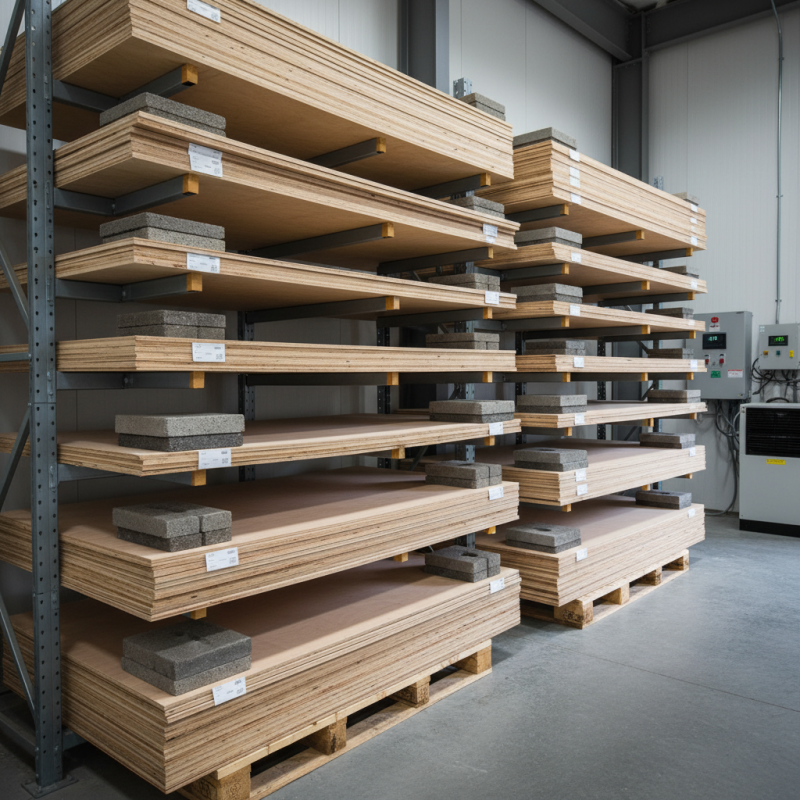
Choosing the Right Location for Plywood Storage
Choosing the right location for plywood storage is crucial to preventing warping. Plywood is sensitive to humidity levels. Ideally, it should be kept in a dry, climate-controlled area. According to the Forest Products Laboratory, wood products can swell or shrink by up to 15% based on moisture content. Therefore, a stable environment is essential.
Avoid placing plywood directly on the ground. Instead, use pallets to elevate it. This minimizes direct contact with moisture. Keeping plywood elevated helps air circulation. Additionally, avoid storing plywood near heating vents or air conditioning units. Sudden temperature changes can lead to warping. Finding a consistent temperature between 60°F and 80°F is ideal for plywood storage.
Lighting can also impact plywood. Store the sheets in a dark area to reduce exposure to UV rays. Prolonged sunlight can cause discoloration and affect structural integrity. Even small imperfections in storage environments can lead to long-term damage. For the best results, carry out regular checks. Make adjustments as necessary to ensure the plywood remains in optimal condition.
Properly Preparing Plywood Before Storage
When it comes to plywood storage, proper preparation is key to preventing warping. Experts recommend acclimating plywood to its storage environment. This means leaving it in the storage area for a few days before use. Rapid changes in humidity can cause the wood to expand or contract. A study from the Wood Product Council notes that over 50% of plywood distortion results from inadequate acclimation.
Ensure your plywood is stored indoors in a controlled environment. Ideal humidity levels should be between 30% to 50%. If you must store plywood outdoors, use a waterproof cover to shield it from rain. However, this can trap moisture underneath. Regularly inspect for mold or mildew, which can compromise the wood.
Another essential step is to stack the plywood correctly. Use horizontal spacers between each sheet. This helps air circulation and avoids direct contact with the ground. Position the stack off the floor using pallets to prevent water damage. Research indicates that improperly stored plywood can lead to a 20% increase in material waste. This is significant for any project where cost-efficiency matters.
Implementing Appropriate Stacking Techniques
When storing plywood, stacking techniques significantly influence its longevity. Proper stacking maintains alignment and reduces tension, which can lead to warping. According to studies from the Wood Products Council, improper stacking can increase the risk of deformation by up to 30%.
Optimal stacking involves keeping plywood flat and evenly spaced. Use spacers or stickers between sheets to allow air circulation. This prevents moisture buildup—a common contributor to warping. Experts recommend a maximum height of 4 feet for stacks to minimize compression on lower sheets. Regularly check for signs of moisture and adjust your storage method accordingly.
Consider the environment where plywood is kept. Temperature and humidity fluctuate, impacting wood stability. A climate-controlled storage area is ideal, but if that isn’t possible, store plywood away from direct sunlight. In practice, many workshops overlook these details, resulting in wasted materials. Paying attention to stacking and storage conditions not only preserves plywood but also enhances its usability for projects.
Controlling Humidity and Temperature During Storage
Controlling humidity and temperature is crucial for preventing plywood from warping during storage. Studies indicate that wood products can absorb moisture from the air, leading to deformation.
Ideal humidity levels for plywood storage should be between 30% and 50%. At levels above 60%, plywood absorbs excess moisture, causing it to swell and warp. This can lead to significant wasted resources and increased costs for manufacturers and builders.
Temperature also plays a vital role. The optimal storage temperature for plywood ranges from 60°F to 80°F. Higher temperatures can accelerate moisture loss, leading to shrinkage. Research shows that fluctuations in temperature can cause plywood to expand and contract, creating tension and warping. It is essential to maintain consistent temperature levels, especially in regions with extreme climate variations.
When storing plywood, using a dehumidifier might be necessary to keep humidity levels in check. However, excess dryness can also create problems, leading to cracking and splitting. Therefore, a balance is essential. Storing plywood in a climate-controlled environment, such as a warehouse with proper insulation, can mitigate these risks. Keep in mind, local climate and specific storage conditions will always impact plywood's performance, requiring ongoing evaluation.
Regularly Inspecting Stored Plywood for Signs of Warping
Regularly inspecting stored plywood for signs of warping is crucial for maintaining its integrity. Humidity and temperature variations can lead to serious deformation. According to the Wood Products Council, moisture control is essential. Plywood should be stored in a climate-controlled environment. Ideal relative humidity levels should remain between 30-50%. This helps prevent excessive moisture absorption.
During inspections, look for noticeable bends or twists. Even slight curvature can signal future problems. Touching the surface can reveal irregularities. Calculate the moisture content with a meter to better understand storage conditions. Studies show that plywood can warp within days if not monitored. Infrared thermometers can detect hidden defects in the material.
A common mistake is storing plywood flat against each other. It restricts airflow, allowing moisture build-up. Stacking with spacers promotes ventilation. It’s vital to reassess storage methods regularly. Not all wood types react similarly to environmental changes. Understanding specific plywood characteristics can help tailor protection strategies.
How to Prevent Plywood from Warping During Storage?
| Inspection Frequency |
Signs of Warping |
Recommended Action |
Storage Conditions |
| Weekly |
Visible bending or curving |
Reposition and restack with weight |
Cool, dry environment |
| Bi-weekly |
Uneven edges or twisted corners |
Remove affected sheets and flatten |
Avoid direct sunlight |
| Monthly |
Discoloration or moisture spots |
Check for leaks; improve ventilation |
Store off the ground on pallets |
| Seasonally |
Cracks or severe bending |
Consider replacing damaged sheets |
Maintain stable temperature |
FAQS
: Acclimating plywood prevents warping by allowing it to adjust to the storage environment, reducing moisture-related distortion.
The ideal humidity level ranges from 30% to 50%. Levels above 60% can cause the wood to swell and warp.
Use a waterproof cover to shield plywood from rain, but be cautious as it may trap moisture underneath.
Use horizontal spacers between sheets and keep the stack off the ground with pallets to ensure proper air circulation.
The optimal temperature is between 60°F and 80°F. Fluctuations can lead to expansion and contraction, causing warping.
Look for noticeable bends or twists. Touching the surface may reveal irregularities that indicate moisture problems.
Regular inspections can catch warping early. Slight curvature could lead to bigger issues if left unnoticed.
Yes, too much dryness can cause cracking and splitting, emphasizing the need for balanced humidity and temperature conditions.
Improper storage increases material waste by 20%, significantly affecting project costs and resources.
Use a moisture meter to calculate the moisture content, which helps in understanding current storage conditions.
Conclusion
To understand how to prevent plywood from warping in storage, it's essential to focus on several key practices. First, the right location should be selected, ideally a dry, climate-controlled area away from direct sunlight. Proper preparation of the plywood before storage is equally important, which includes ensuring it is clean and dry. Implementing appropriate stacking techniques, such as using spacers between sheets and avoiding direct contact with the floor, helps maintain an even distribution of weight and air circulation.
Furthermore, controlling humidity and temperature in the storage environment is crucial to prevent warping, as significant fluctuations can lead to moisture absorption. Lastly, regular inspections of stored plywood for signs of warping can help catch any issues early, allowing for prompt corrective measures. By following these guidelines, one can significantly reduce the risk of warping and ensure the longevity of plywood during storage.
 Regit Decor
