Indoor air quality is a crucial factor in creating a healthy living environment. Concerns about harmful substances in materials are growing. One commonly used material is plywood, raising the question: Is plywood safe for indoor air quality?
Plywood is everywhere—from furniture to flooring. Its popularity stems from affordability and versatility. However, the adhesives in plywood can emit volatile organic compounds (VOCs). These compounds may negatively impact air quality and health.
Some manufacturers are addressing these concerns by producing low-VOC or formaldehyde-free options. Yet, many consumers remain unaware of these alternatives. Understanding the potential risks of plywood is essential. This awareness can lead to better choices for healthier indoor spaces.
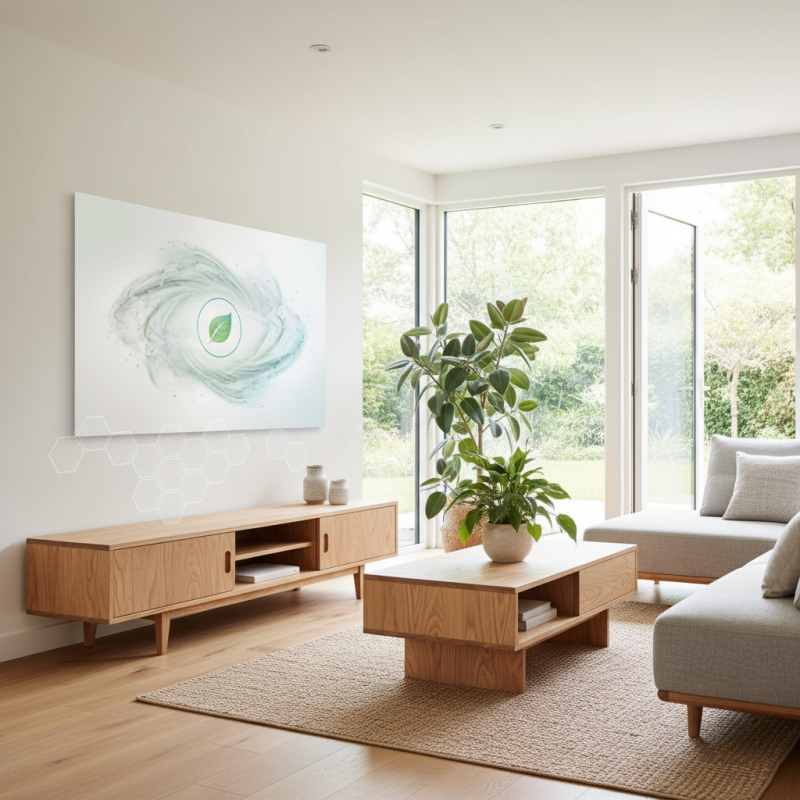
Plywood is a common material found in many homes and offices. Its versatility makes it popular for furniture, cabinetry, and flooring. However, many wonder about its impact on indoor air quality. This concern primarily arises from the adhesives used in manufacturing plywood, which can release volatile organic compounds (VOCs). These compounds may lead to health issues over time.
While high-quality plywood is often treated to reduce emissions, some products still carry higher levels of VOCs. It’s essential to consider the type of plywood being used. Opting for low-VOC or formaldehyde-free options can significantly improve indoor air quality. Ventilating the space can help reduce any lingering odors or emissions from newly installed plywood.
Homeowners should be aware that not all plywood is created equal. Even reputable manufacturers may vary in their material choices. Regularly checking for certifications can guide better decisions. Effectively balancing aesthetics and safety requires careful thought. Materials should enhance, not compromise, the living environment. Individuals must remain informed.
When discussing plywood's impact on indoor air quality, it is vital to understand its composition. Plywood is made of thin layers of wood veneer glued together. This adhesive can contain formaldehyde, a volatile organic compound (VOC) linked to various health issues. According to the United States Environmental Protection Agency (EPA), formaldehyde exposure can lead to respiratory problems and has been classified as a probable human carcinogen.
The emissions from plywood depend on the type and quality of adhesive used. A study from the California Air Resources Board indicated that plywood with lower formaldehyde emissions can reduce indoor air pollution levels significantly. Manufacturers can achieve this through using water-based adhesives or improved production techniques. However, many plywood products still contain high levels of VOCs. Over time, these compounds can off-gas, creating an ongoing concern for indoor environments.
A proper understanding of plywood's chemical emissions is crucial. Ventilation plays a significant role in mitigating potential hazards. Regularly airing out spaces with new plywood can reduce initial exposure to harmful compounds. Individuals concerned with air quality should consider their choices carefully. Selecting low-emission products is one step toward safer indoor air.
Plywood is widely used in construction and furniture but raises air quality concerns. A significant issue is formaldehyde, a common adhesive in plywood. This chemical can off-gas, contributing to indoor air pollution. Exposure to formaldehyde may lead to health problems such as irritation and respiratory issues. It's crucial to understand this risk, especially in enclosed spaces.
Indoor air quality can deteriorate because of high levels of formaldehyde. Families may find themselves affected without realizing it. Not all plywood emits equal amounts of formaldehyde; various grades and types have different levels. Lower-emission options are available but can be harder to find. The sourcing and manufacturing practices of plywood should be scrutinized for safety.
When renovating or choosing furniture, consider air quality. Opt for certified products that emit lower levels of formaldehyde. It's also a good idea to ensure proper ventilation in indoor spaces. Regularly checking air quality can be beneficial. Open windows, use fans, and monitor humidity levels. Taking these steps may improve the living environment, making it healthier and safer.
Plywood is often seen as a practical choice for indoor construction. However, its emissions have raised concerns about indoor air quality. Comparative studies reveal that plywood typically releases fewer volatile organic compounds (VOCs) than other materials like particleboard or fiberboard. This can make it a safer option for indoor use.
Research indicates that the adhesives used in plywood can emit harmful chemicals. The type of adhesive plays a significant role in overall emissions. Using low-emission or no-added-formaldehyde options can mitigate health risks. It's essential to check specifications when choosing plywood to ensure safer indoor air quality.
Tips: Always ventilate spaces where plywood is installed. Consider using air purifiers to further reduce indoor pollutants. Regularly monitor air quality to ensure a healthy living environment.
Plywood is widely used in construction and furniture design. However, indoor air quality (IAQ) is a concern due to the materials used in plywood production. Regulatory standards aim to address these concerns and ensure safety for indoor environments. The U.S. Environmental Protection Agency (EPA) sets guidelines for acceptable levels of formaldehyde emissions, which can be a significant factor in plywood. The California Air Resources Board (CARB) has established strict regulations that limit allowable formaldehyde emissions in composite wood products, including plywood.
In a study conducted by the National Institute of Standards and Technology (NIST), plywood samples showed variable levels of volatile organic compounds (VOCs). High concentrations of VOCs can cause discomfort and health issues over time. To safeguard your indoor environment, it may be beneficial to look for plywood certified by organizations that adhere to strict emission standards.
Tip: Always check for certification labels on plywood. This can help ensure that the product meets current health and environmental standards. Consider using low-emission products when renovating or building. Good ventilation during and after installation can also improve indoor air quality. Remember that the materials you choose play a crucial role in creating a healthy living space.
Plywood can pose indoor air quality risks due to volatile organic compounds (VOCs). These compounds are released from adhesives and finishes used in plywood production. Studies show that some plywood products can emit formaldehyde, a common VOC, at levels above safety thresholds. For example, the EPA notes that concentrations of formaldehyde can peak at 0.1-0.3 parts per million in poorly ventilated spaces. These levels can contribute to health issues over time.
To minimize these risks, selecting low-VOC plywood is crucial. Look for products certified by recognized organizations. For instance, the California Air Resources Board (CARB) sets strict regulations to limit formaldehyde emissions. Proper ventilation during and after installation is equally important. Experts recommend keeping windows open and using air purifiers equipped with HEPA filters. Regular indoor air quality testing can help identify potential hazards, ensuring that the environment remains safe for occupants.
Storing plywood properly is another essential practice. High humidity can increase VOC emissions. Avoid stacking plywood in damp areas to mitigate this risk. Acknowledging the imperfections in current plywood options is vital. While improvements are underway, there is still room for enhancement in manufacturing practices. Awareness and informed choices can lead to better indoor air quality, affecting overall health and comfort.
: Plywood can impact indoor air quality due to adhesives emitting VOCs. Choose wisely to mitigate risks.
VOCs are volatile organic compounds released from some adhesives in plywood, which may affect health over time.
Opt for low-VOC or formaldehyde-free plywood. Good ventilation helps reduce odors and emissions after installation.
Check for certification labels to ensure compliance with emission standards. Quality varies among manufacturers.
No, plywood quality varies significantly. Higher quality often results in lower VOC emissions and better air quality.
The EPA and CARB set guidelines to limit formaldehyde emissions in plywood, ensuring safer indoor environments.
Always look for low-emission certifications and prioritize ventilation during and after installation for better air quality.
High VOC levels can lead to discomfort and health issues. Awareness is key when selecting plywood.
Adequate ventilation helps reduce lingering emissions. It’s crucial for maintaining a healthy indoor atmosphere.
No, aesthetics should not compromise safety. Materials must enhance the living environment without causing health concerns.
The question "Is plywood safe for indoor air quality" has garnered significant attention due to concerns about chemical emissions, particularly formaldehyde. Plywood is composed of layers of wood veneers adhered together with adhesives that can release volatile organic compounds (VOCs) into the indoor environment. Among these emissions, formaldehyde poses the most considerable risk, as it is known to affect air quality and potentially impact human health.
Comparative studies show that plywood's emissions often differ from other building materials, which highlights the need for stringent regulatory standards to safeguard indoor air quality. Guidelines established by regulatory bodies can help mitigate risks associated with plywood use. To further minimize exposure, adopting best practices, such as ensuring proper ventilation and selecting lower-emission plywood options, is essential. Ultimately, while plywood can be employed safely, it is crucial to be mindful of its potential effects on indoor air quality.

Regit Decor