Plywood is a versatile material widely used in construction and manufacturing. Its different grades cater to various needs and applications in the industry. Understanding why plywood has different grades is crucial for buyers making informed decisions. According to the American Plywood Association, plywood is classified into several grades based on its appearance, strength, and durability.
Grade selection affects performance and cost. Higher grades, like A and B, are suitable for visible applications. They offer smooth surfaces and fewer defects. On the other hand, lower grades, such as C and D, may have knots or imperfections. These grades are often used in hidden areas or in structural applications where aesthetics are less critical. Research indicates that lower grades can still provide adequate strength but may require additional work to meet visual standards.
Buyers may overlook the significance of selecting the appropriate grade for their projects. This misstep can lead to increased costs or project delays. Understanding why plywood has different grades ensures quality and value in any construction endeavor. Therefore, making an informed choice not only enhances project outcomes but also contributes to overall efficiency.
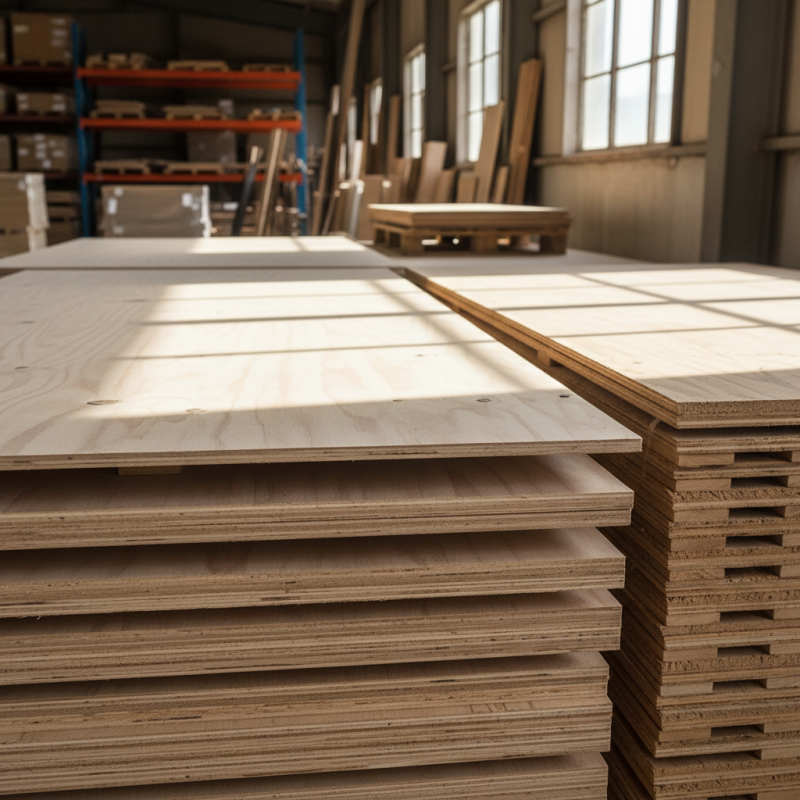
Plywood grades play a crucial role in selecting the right material for specific projects. Understanding these grades helps buyers make informed choices. Each grade signifies the quality and appearance of the plywood, directly impacting its strength and durability. Higher grades, such as A or B, feature fewer imperfections. These are ideal for visible surfaces. Lower grades, like C or D, may contain knots and blemishes. They suit applications hidden from view.
Quality inspection determines these grades. It involves checking for defects and evaluating physical properties. A grade represents a clean surface, while C may show more flaws. Buyers must consider the intended use, such as furniture or construction, when selecting. It's essential to assess whether these imperfections will affect the project's overall goal.
Sometimes, plywood doesn’t meet expectations. A project may require high-grade material but results in receiving a lower grade. This can lead to aesthetic issues or structural concerns. Reflecting on these experiences helps buyers refine their purchasing decisions. Choosing the right plywood is not just about the looks; it also involves understanding how different grades perform over time. Always consider both the quality and the end purpose before making a purchase.
Plywood is widely utilized in construction and furniture making due to its versatility. However, it comes in various grades that reflect quality, appearance, and durability. The grading system helps buyers choose the right plywood for their specific needs.
Quality is primarily assessed based on the number of defects present. According to the APA (Engineered Wood Association), higher-grade plywood features minimal knots and voids. In contrast, lower grades may have more imperfections. Buyers should consider how these defects can impact the final use. Aesthetic qualities play a significant role as well. For instance, premium grades often have a smoother finish, making them ideal for visible surfaces.
Durability is another crucial factor. Higher-grade plywood typically demonstrates better resistance to moisture and warping. Reports indicate that exterior grades can withstand harsh climates, while interior grades are less resilient. Selecting the appropriate grade is vital for achieving a long-lasting result. An informed decision can lead to more effective project outcomes.
Plywood grading significantly influences both cost and performance, making it essential for buyers to understand its implications. Higher-grade plywood generally offers better durability and aesthetic appeal. Reports suggest that high-grade plywood can outperform lower grades by up to 30% in structural integrity tests. This difference can affect longevity and overall project costs.
For projects requiring a robust and elegant finish, investing in premium grades is wise. Low-grade plywood often presents issues such as warping and voids. These flaws can lead to higher maintenance costs and project delays. The choice between grades should align with specific project needs rather than budget alone.
Tips: When selecting plywood, consider your specific use case. Low-grade plywood may suffice for hidden structural elements. Always request samples to check for defects and quality. Quality over cost should guide your decision to ensure your project’s success.
Plywood is categorized into different grades based on quality, sourcing, and surface finishes. Each grade serves specific applications, ensuring the right choice for various projects. For instance, A-grade plywood is often chosen for decorative purposes. It has a smooth surface, making it ideal for furniture and cabinetry. The American Plywood Association highlights that furniture manufacturers prefer this grade due to its durability and aesthetic appeal.
On the other hand, C-grade plywood is commonly used for construction purposes. It is less expensive and less refined but still offers strength. This grade is often found in subfloors and roof sheathing. According to industry reports, C-grade plywood accounts for a significant portion of the plywood market, primarily due to its cost-effectiveness for structural applications.
Moreover, not all plywood grades are created equal. B-grade plywood offers a balance of quality and cost. It is often used in applications like wall paneling and cabinetry, where appearance matters but cost constraints exist. The nuances in grading create opportunities for builders and manufacturers to select the most suitable materials for their specific needs, yet there’s always a risk of choosing the unsuitable grade. Understanding these differences is crucial in preventing project failures.
When selecting plywood for a project, understanding different grades is crucial. Plywood comes in grades ranging from A to D, each indicating quality levels. Grade A is smooth, clean, and free from knots, making it ideal for visible surfaces. Grade B may have minor imperfections but is still suitable for furniture and cabinetry. Lower grades like C and D contain larger defects, which are best for hidden structures or utility applications.
Choosing the right grade requires assessing your project’s needs. If aesthetics matter, opt for higher grades. For structural integrity, lower grades may suffice. Remember, imperfections exist within all grades. You might encounter misaligned layers or slight warping, even in higher-quality plywood. It’s essential to inspect sheets before purchasing, as these flaws could impact your work. Using plywood that doesn’t meet your standards can lead to disappointments in the final product. Always weigh the pros and cons of each grade before making a final choice.
| Grade | Quality | Common Uses | Cost (per sheet) |
|---|---|---|---|
| A | Excellent, Smooth Surface | Furniture, Cabinets | $50 |
| B | Good, Minor Imperfections | Cabinet Doors, Shelving | $40 |
| C | Fair, More Visible Defects | Interior Panels, DIY Projects | $30 |
| D | Poor, Seen as Utility Grade | Subflooring, Crating | $20 |
| Sandwich | Varies, Multi-layered | Insulation, HVAC | $35 |
: Plywood grades indicate quality and appearance, affecting strength and durability.
Grades are based on quality inspection that checks for defects and evaluates physical properties.
Higher grades, like A or B, have fewer imperfections, while lower grades contain more flaws and knots.
The use determines which grade suits your project, as imperfections affect aesthetics and performance.
This can lead to structural issues or aesthetic problems, impacting your project's success.
Premium grades offer smoother finishes, making them ideal for visible surfaces like furniture.
C-grade plywood is used in construction, like subfloors, due to its strength and cost-effectiveness.
Higher-grade plywood resists moisture and warping better, impacting longevity for specific applications.
B-grade offers a balance of quality and cost, ideal for wall paneling and cabinetry.
Knowing the differences helps in making informed choices, reducing the risk of using unsuitable materials.
Plywood is available in various grades to meet diverse consumer needs, which raises the question, "Why does plywood have different grades?" The grading system is based on factors such as quality, appearance, and durability, impacting both the performance of the plywood and its cost. Higher-grade plywood typically features fewer defects and is more suitable for visible applications, whereas lower grades may have more blemishes and are often used for structural purposes.
When selecting plywood for a specific project, it's essential to consider the intended use. For example, cabinetry and fine furniture usually require higher-grade plywood for an aesthetically pleasing finish, while construction projects might prioritize durability and cost-effectiveness. Understanding the nuances of plywood grades allows buyers to make informed decisions that align with their project's requirements and budget.

Regit Decor