When tackling the question, "Can you paint over film faced plywood?", many DIY enthusiasts seek guidance on this common project. Film faced plywood is known for its smooth surface, which can be appealing for various applications. However, painting it requires careful consideration. The glossy, often sealed surface can pose significant challenges for paint adhesion.
Preparing the plywood properly is crucial. Many overlook this step and end up with peeling or chipping paint. A thorough cleaning to remove dirt is essential. Additionally, sanding the surface lightly can improve paint adherence. Understanding the right type of primer is also key. Not all primers work well with film faced plywood.
Moreover, it's important to test paint before committing to the entire project. Consider trying a small, inconspicuous area first. This can save time and effort down the line. While painting over this specialized plywood can seem straightforward, there are hurdles to overcome. Attention to detail and the right techniques will lead to a successful outcome.
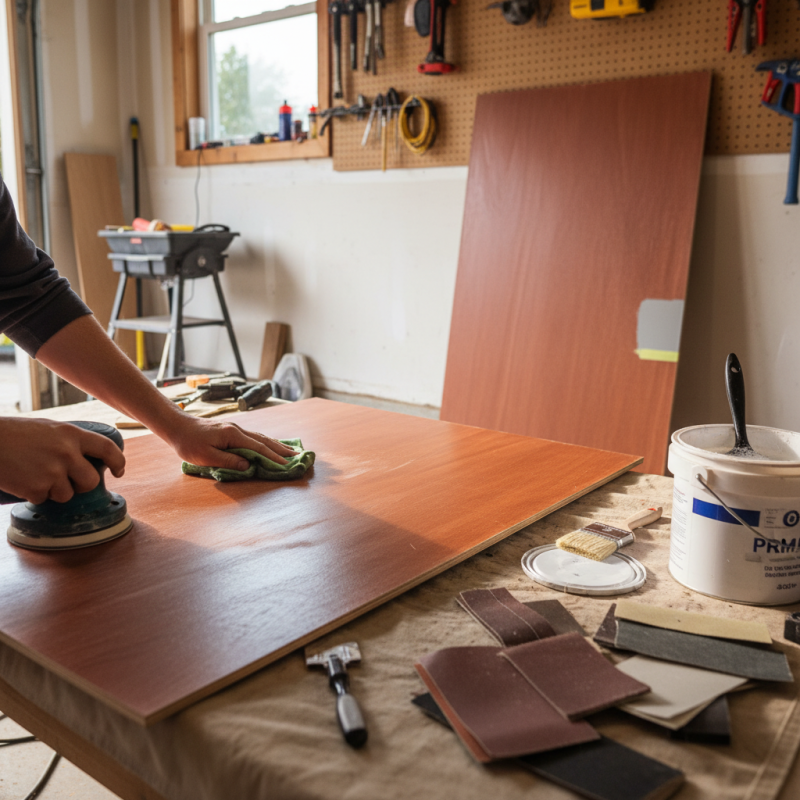
Film faced plywood is known for its durability and resistance to moisture. This type of plywood has a smooth, phenolic film coating, making it suitable for projects where water-resistant surfaces are needed. Its robust nature helps it withstand heavy use in construction and is often used in formwork. However, understanding its properties is crucial before deciding to paint over it.
Painting film faced plywood can be challenging. The smooth surface may not hold paint well without proper preparation. Surface cleaning is essential. A light sanding can help create a more adhesive-friendly texture. Choosing the right primer is also vital. An oil-based or bonding primer often works best for this type of material. Even with these preparations, results may vary. Painting may not always provide the finish expected.
Many DIY enthusiasts have experienced frustration with peeling or chipping paint. Coverage may be uneven if applied too quickly. Taking time and testing on a small area first can prevent future disappointments. Painting over film faced plywood can yield stunning results if managed with care and patience.
Surface preparation is crucial when painting over film faced plywood. This type of plywood typically has a smooth, glossy surface that can hinder paint adhesion. According to industry reports, proper preparation can increase paint adhesion rates by up to 75%. Start by cleaning the surface thoroughly. Use a mild detergent and water solution to remove dirt and grease. Rinse well and let it dry completely. Any residue left behind may lead to peeling or uneven finishes.
Next, consider sanding the surface. Lightly scuffing the film layer can create a texture that helps the paint grip better. Use fine-grit sandpaper to avoid deep scratches. Even a small error in this step can compromise the entire project. It’s essential to wipe down the area again after sanding to remove dust. Failure to do so could result in a bumpy paint job that detracts from the overall look.
Applying a primer is often overlooked but highly beneficial. Primers designed for glossy surfaces act as a bond, enhancing paint adherence. Data shows that using a primer can reduce the likelihood of paint failure by nearly 50%. However, ensure that the primer is compatible with the paint type you plan to use. Double-checking these details can save time and frustration in the long run.
Choosing the right paint for film faced plywood is essential for achieving a durable and aesthetically pleasing finish. Research indicates that paints with a high PVC content offer better adherence to such surfaces. For outdoor applications, weather-resistant paints are recommended. According to industry reports, 70% of professionals prefer water-based paints for their ease of use and fast drying times.
When selecting paint, consider the surface texture. Film faced plywood often has a smooth finish, so a primer may be necessary to improve paint adhesion. Always test a small area first. This can save time and effort later. Use a foam roller for an even coat; brushes can leave streaks.
Tip: If you're unsure about paint choice, consult with local suppliers or professionals. They can provide insights based on regional climates and materials. Remember, some paints may show imperfections after drying. Always assess your application technique and the plywood quality.
When painting over film faced plywood, preparation is key. Start by cleaning the surface thoroughly. Use a mild detergent and water to remove any dirt or grease. Allow the plywood to dry completely before moving on to the next step. Sanding the surface lightly helps create a rough texture. This is crucial for better paint adhesion. A 120-grit sandpaper usually works well for this purpose.
Choosing the right primer is essential. A stain-blocking primer can prevent the film from bleeding through the paint. Apply the primer evenly using a roller or brush, ensuring complete coverage. After the primer dries, inspect for any uneven spots. Touch them up with sandpaper if necessary. This attention to detail will help achieve a smooth finish.
Applying the paint requires a steady hand. Opt for a high-quality paint designed for interiors or exteriors. Use a roller for large areas and a brush for corners. It’s important to apply multiple thin coats. This method reduces the risk of drips and ensures a professional look. If you notice any imperfections after drying, don’t hesitate to sand them down lightly and add another coat. Patience is vital in this process, as rushing can lead to an unsatisfactory finish.
| Tip | Details | Application Technique | Finish Type |
|---|---|---|---|
| Surface Preparation | Clean the surface to remove dust and grease. | Use a mild detergent solution. | Matte Finish |
| Sanding | Lightly sand the surface to create a key for paint. | Use fine-grit sandpaper. | Satin Finish |
| Primer Application | Apply a high-quality primer designed for wood. | Brush or spray for even application. | Low-Luster Finish |
| Top Coat | Choose a durable paint suitable for surfaces. | Apply with a roller or brush in thin layers. | Glossy Finish |
When painting over film faced plywood, post-painting care and maintenance are essential for longevity. According to industry reports, neglecting proper maintenance can reduce paint life by up to 60%. After applying the paint, ensure the surface cures adequately. This often takes between 24 to 48 hours, depending on the humidity and temperature.
Avoid exposing the freshly painted surface to harsh weather conditions. Extreme temperatures and moisture can cause peeling or bubbling. Regularly inspecting the surface for signs of wear is crucial. This includes checking for cracks or chips in the paint, which can lead to underlying wood damage if left untreated. Research shows that timely touch-ups can extend the lifespan of your finish.
Utilizing non-abrasive cleaners for cleaning is vital. Harsh chemicals can strip paint and harm the plywood beneath. Instead of aggressive cleaning, opt for a damp cloth and mild soap. This practice not only protects the paint finish but also maintains the integrity of the plywood. Reflecting on these strategies can help improve the durability and aesthetic of your painted film faced plywood.
: Film faced plywood is durable and moisture-resistant, often used in construction and formwork projects.
Surface preparation ensures better paint adhesion and reduces the risk of peeling or chipping.
Clean it with mild detergent and water, then let it dry completely.
An oil-based or bonding primer works best for better adhesion and coverage.
Apply multiple thin coats of paint instead of a single thick layer to avoid drips.
Regularly inspect for wear, use non-abrasive cleaners, and perform touch-ups as needed.
Assess the underlying plywood for damage, clean the area, and consider re-sanding and repainting.
Curing usually takes between 24 to 48 hours, depending on humidity and temperature.
Extreme temperatures and moisture can cause paint to peel or bubble, damaging the plywood.
Rushing can lead to an unsatisfactory finish, so take your time for the best results.
When considering the question, "Can you paint over film faced plywood?", it's essential to understand the properties of this material. Film faced plywood, known for its durability and moisture resistance, requires careful surface preparation before applying paint. This includes cleaning the surface and sanding it to ensure proper adhesion.
Choosing the right paint is crucial; opt for products designed for exterior use or those compatible with glossy surfaces. Application techniques, such as using a sprayer or roller for an even coat, play a significant role in achieving a smooth finish. After painting, proper care and maintenance will prolong the lifespan of your project, ensuring that the plywood remains both functional and aesthetically pleasing.

Regit Decor