 Regit Decor
Can You Paint Over Film Faced Plywood 5 Things to Know?
Painting over film faced plywood can be a daunting task. This type of plywood is typically coated with a smooth film that offers durability and weather resistance. However, many wonder, "Can you paint over film faced plywood?" Understanding the answer is crucial for achieving a flawless finish.
When considering this project, it’s essential to know that the surface may not be as receptive to paint as traditional wood. The film layer can impede proper adhesion. Preparation steps, such as cleaning and sanding, play a significant role in the outcome. Skipping these steps can lead to peeling and uneven surfaces.
Experts recommend using specific types of primer for better results. Not all paints will work effectively on film faced plywood. It’s crucial to check labels and consult professionals if uncertain. Be aware that even with the right approach, results may vary. Factors like humidity and temperature can impact the painting process. Embracing this uncertainty can lead to a more successful outcome.
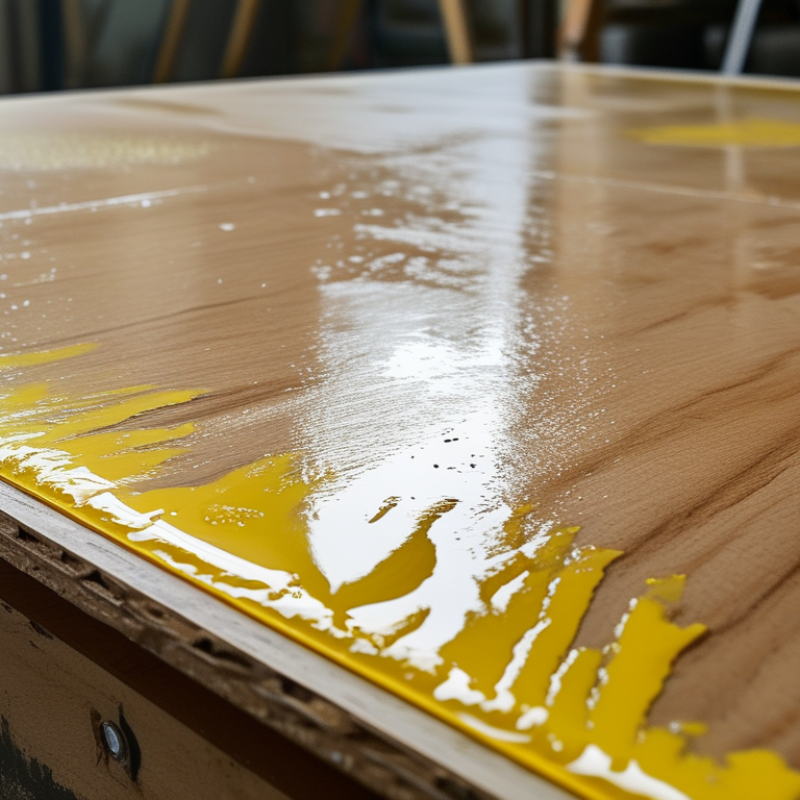
Understanding Film Faced Plywood and Its Characteristics
Film faced plywood is widely used in construction for its durability and moisture resistance. The surface is coated with a thin film to enhance its toughness. According to research by the Plywood Manufacturers Association, this type of plywood can withstand harsh weather conditions, making it suitable for outdoor projects. However, the film layer poses challenges if one wishes to paint over it.
Before painting, surface preparation is crucial. The film layer must be scuffed or sanded to allow paint adhesion. The American Coatings Association reports that proper surface preparation can increase paint adhesion by 50%. Some also recommend using a primer designed specifically for difficult surfaces. This step helps ensure the longevity of the paint job.
Not all paints adhere well to film faced plywood. Water-based paints often struggle due to the film's slickness. This may lead to peeling and chipping. A recent industry survey indicated that a significant percentage of contractors experience issues with paint durability on film faced surfaces. Understanding these nuances is essential for achieving a successful finish.
FAQS
: Film faced plywood is a durable type of plywood coated with a thin film for moisture resistance.
Proper surface preparation increases paint adhesion. It can boost adhesion by up to 50%.
No, direct painting can lead to peeling. The film surface needs to be sanded first.
A primer designed for slick surfaces is recommended. It helps paint stick better.
Water-based paints often struggle to adhere well. Proper surface preparation is crucial.
Humidity can impact drying times significantly. It's essential to consider environmental factors.
Use thin layers of paint and allow adequate drying time. High-quality brushes can improve your finish.
Oil-based paints provide good coverage but can take longer to dry and may show brush marks.
Yes, testing colors helps identify imperfections and ensures a satisfactory final look.
Many contractors report paint durability issues due to poor adhesion on the slick surface.
Conclusion
When considering the question "Can you paint over film faced plywood," it is essential to first understand the characteristics of this material, which is designed for durability and moisture resistance. Proper surface preparation is crucial; this may involve cleaning and sanding the surface to enhance paint adhesion. Selecting the right type of paint is equally important, as some paints are more suitable for non-porous surfaces like film faced plywood.
Once the preparation is complete and the appropriate paint is chosen, applying it with the right techniques can yield the best results. Utilizing methods such as spray painting or roller application can provide a smooth finish. Finally, maintaining the painted surface will enhance its longevity, ensuring that the aesthetic and functional qualities of the plywood are preserved over time. Therefore, with careful attention to these factors, painting over film faced plywood can be a successful endeavor.
