MDF vs Plywood 5 Key Differences You Need to Know?

Time:2026-08-01 Author:Oliver
0%

MDF and plywood are two commonly used materials in the woodworking industry. Many consumers wonder, "What is the difference between MDF and plywood?" Understanding these differences is essential for making informed choices. According to a report by Grand View Research, the global MDF market is projected to reach $20.5 billion by 2025. Meanwhile, plywood production is also on the rise, highlighting its importance in construction and furniture design.

MDF, or medium-density fiberboard, is made from wood fibers bonded with adhesive. It is smooth and provides a great surface for painting. However, it can be susceptible to moisture damage. On the other hand, plywood, made from multiple layers of wood veneers, offers durability and strength. It resists warping and can handle heavier loads, making it suitable for structural applications. Each material has its pros and cons, revealing their unique characteristics.

Choosing between MDF and plywood demands careful consideration. Your project’s requirements play a crucial role. Consider factors such as cost, finish quality, and durability when making choices. These variables may lead to unexpected results, prompting a deeper evaluation of both materials. Thoughtful decision-making can significantly impact your project's success, ensuring you select the right material for your specific needs.
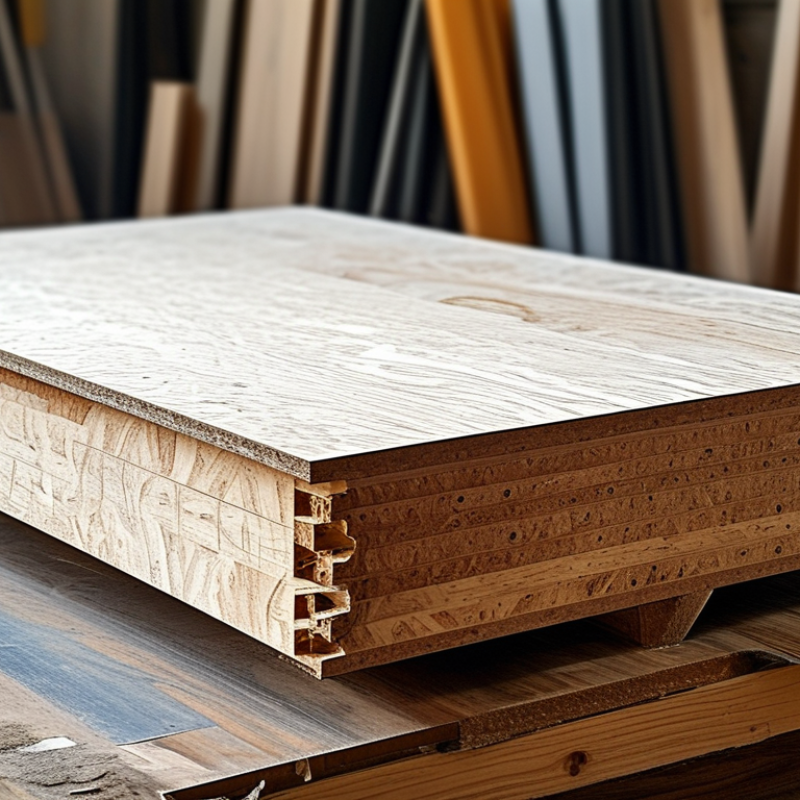
MDF vs Plywood 5 Key Differences You Need to Know?

MDF vs Plywood: Understanding Composition and Manufacturing Processes

When comparing MDF and plywood, understanding their composition and manufacturing processes is crucial. MDF, or Medium Density Fiberboard, is made from wood fibers bonded with adhesives under heat and pressure. This creates a dense, uniform board. The manufacturing process allows for intricate designs and smooth surfaces, making it ideal for detailed projects. The uniformity helps reduce warping or splitting, making it easier to work with.

Plywood is constructed from thin layers of wood veneer glued together. Each layer, or ply, is oriented at right angles to enhance strength. This cross-lamination technique gives plywood superior stability. It can be used in structural applications and withstands heavier loads. The aesthetics of plywood can vary widely, depending on the wood species used. However, the manufacturing process contributes to its susceptibility to moisture and requires sealing for protection.

Both materials have their advantages and drawbacks. MDF is easier to cut and shape, but may not perform well in humid conditions without proper sealing. Conversely, plywood offers durability but can be more challenging to cut neatly. Each material's unique properties cater to different needs, and understanding these nuances can significantly impact your project outcome.

MDF vs Plywood: 5 Key Differences You Need to Know

Feature MDF Plywood
Composition Made from wood fibers and glue Composed of thin layers of wood veneer
Manufacturing Process Heat and pressure are applied Layers are glued together with alternating grain
Durability Less durable, prone to moisture More durable, can withstand moisture better
Finish Quality Smooth surface, ideal for painting Visible grains, suitable for varnishing
Cost Generally less expensive Typically more expensive

Comparative Analysis of Strength and Durability in MDF and Plywood

MDF (Medium Density Fiberboard) and plywood are popular materials in construction and furniture making. When comparing their strength, MDF is denser but has a lower load-bearing capacity. A study from the Forest Products Laboratory indicates MDF can withstand up to 450 psi, while plywood can handle around 1000 psi. This difference is crucial for structural applications.

Durability is another critical factor. MDF does not perform well in humid environments. Prolonged exposure to moisture can lead to swelling and degradation. In contrast, plywood, especially when treated, showcases better moisture resistance. Industry data suggests that high-quality plywood can last decades under harsh conditions, making it ideal for outdoor usage. Yet, plywood can be prone to delamination if improperly handled.

The choice between MDF and plywood often comes down to the intended application. While MDF offers a smooth surface ideal for painting, its overall structural integrity may not match that of plywood. This highlights a gap in knowledge for some users: understanding the specific requirements of a project could greatly influence material choice. Making an informed decision can lead to increased satisfaction and performance in the long run.

Cost Differences: Evaluating Price Points for MDF and Plywood

When comparing MDF and plywood, cost is a critical factor. Generally, MDF tends to be less expensive than plywood. This price difference arises from their manufacturing processes. MDF is made from wood fibers and adhesives, resulting in a smooth finish and low cost. Plywood, on the other hand, consists of thin layers of wood veneer, which can drive its price higher due to the quality of materials used.

Consider your project needs when evaluating costs. For furniture or cabinetry, plywood might be worth the investment. Its strength and durability often justify the higher price tag. MDF is attractive for painted projects. Its smooth surface allows for a flawless finish without needing extensive prep work.

Tip: Always check local suppliers for bulk purchase discounts. You might save significantly when buying materials for a large project. Also, consider the long-term value. A slightly higher investment in plywood can result in greater longevity compared to MDF. Reflect on your materials’ lifecycle before making a choice.

Environmental Impact: Sustainability of MDF vs Plywood Production

When considering the environmental impact of MDF versus plywood, it's essential to examine how each material is produced. MDF, or Medium-Density Fiberboard, is made from wood fibers combined with adhesives and resins. This process often leads to higher formaldehyde emissions. While MDF can utilize wood scraps, its production may not always prioritize sustainability.

In contrast, plywood is created by gluing together thin layers of wood veneer. This method often makes better use of timber, resulting in less waste. Plywood typically uses fewer chemicals than MDF, making it a more eco-friendly choice in many cases. However, the sustainability of plywood production depends on the sourcing of its wood. Unsustainable logging practices can negate its environmental advantages.

Both materials present challenges. MDF can offer consistent surfaces but often lacks the durability of plywood. Plywood can be more robust but might require more natural resources for production. Each option has its trade-offs. Understanding these nuances can lead to more informed decisions regarding their environmental footprints.

MDF vs Plywood: Environmental Impact Comparison

Applications and Best Use Cases for MDF and Plywood in Industries

MDF and plywood serve distinct roles in various industries, reflecting their unique properties. MDF, or Medium Density Fiberboard, is often chosen for intricate design work. Its smooth surface is ideal for paint and veneer applications. The construction industry frequently favors MDF for cabinetry and furniture production due to its versatility. According to industry reports, MDF accounts for approximately 40% of the fiberboard market, demonstrating its widespread use.

Plywood, on the other hand, is prized for its strength and durability. Commonly used in structural applications, such as flooring and roofing, plywood stands up well under stress. The automotive and marine industries utilize plywood for its resistance to warping. Recent data suggests that the global plywood market is expected to reach $80 billion by 2027, reflecting its growing demand.

While both materials have their benefits, limitations exist. MDF can swell when exposed to moisture, impacting its performance. Plywood, despite its strength, can be more expensive and heavier. Understanding these nuances is crucial for making informed choices in product development and design. Balancing aesthetics and functionality with these materials requires careful consideration of the intended use and environmental factors.

FAQS

: What is MDF made from?

: MDF is made from wood fibers and adhesives, bonded under heat and pressure.

How does the manufacturing process impact MDF?

The process creates a dense, uniform board, ideal for detailed designs and smooth surfaces.

What is plywood constructed from?

Plywood consists of thin layers of wood veneer glued together in alternating orientations.

Why does plywood have better stability?

Its cross-lamination technique enhances strength, allowing it to withstand heavier loads.

What are the cost differences between MDF and plywood?

MDF is usually less expensive than plywood due to its simpler manufacturing process.

When should I choose plywood over MDF?

Choose plywood for furniture or cabinetry, as its durability justifies the higher cost.

Is MDF suitable for humid conditions?

MDF may struggle in humid conditions without proper sealing, making it less ideal in such environments.

Can plywood's aesthetics vary?

Yes, plywood's appearance can change widely depending on the wood species used.

What should I consider when purchasing materials?

Reflect on project needs and potential long-term value before making a choice.

Does MDF require extensive prep work for painting?

No, MDF’s smooth surface allows for a flawless finish with minimal prep needed.

Conclusion

MDF vs Plywood is a common debate in the construction and woodworking industries, and understanding the differences is crucial for selecting the right material for specific needs. What is the difference between MDF and plywood primarily lies in their composition and manufacturing processes. MDF, or Medium Density Fiberboard, is made from wood fibers bonded together with adhesives, resulting in a denser and smoother surface. In contrast, plywood is composed of thin layers of wood veneer glued together, offering greater strength and durability.

When evaluating cost differences, MDF typically presents a lower price point while plywood may be more expensive but offers better structural integrity. Additionally, the environmental impact of their production varies, with both materials having unique sustainability considerations. Lastly, their applications differ significantly; MDF is often used for decorative purposes and interior applications, while plywood is favored for structural uses and outdoor projects. Understanding these distinctions helps in making informed choices for various applications across industries.

Oliver

Oliver

Oliver is a seasoned marketing professional with a wealth of expertise in driving brand awareness and engagement. With a deep understanding of our company's product offerings, he consistently delivers high-quality content that enriches our professional blog. His insights not only shed light on......