Marine plywood is a specialty product, renowned for its durability and water resistance. The question often arises: why is marine plywood so expensive? Various factors contribute to its high cost. According to industry reports, the quality of materials used in marine plywood is a significant factor. It typically includes high-grade hardwood veneers, which are harder to source than regular lumber.
Moreover, marine plywood undergoes rigorous production standards. The adhesives used must withstand humid and wet conditions, ensuring longevity. A report by the Marine Plywood Association indicates that producing this plywood requires advanced technology and skilled labor, both of which add to the production costs.
Market demand also impacts pricing. As more industries recognize the benefits of using marine plywood, its popularity increases. This rising demand, coupled with limited supply, can drive up costs. The implications of these factors prompt a deeper reflection on our spending choices in construction and design. Understanding why is marine plywood so expensive can help buyers make informed decisions about their projects.
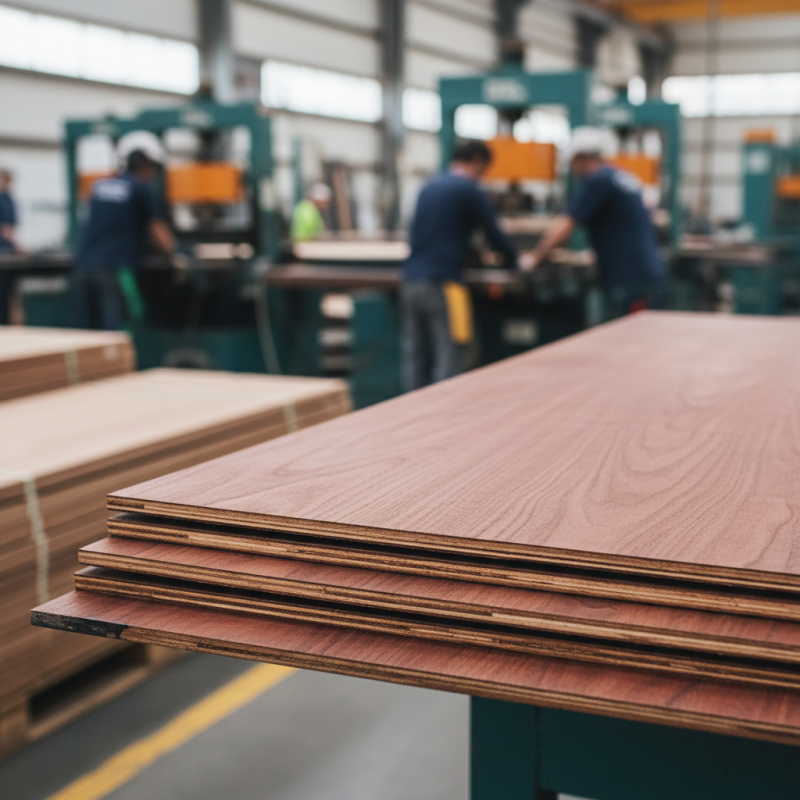
Marine plywood is known for its high durability and resistance to moisture. These characteristics stem from the specialized manufacturing processes used. The wood is typically made from high-quality tropical hardwoods like Meranti or Okoume. These woods are naturally resistant to decay and insects. This resistance is crucial for applications exposed to harsh marine environments.
The bonding adhesives used in marine plywood also contribute to its cost. They are engineered to endure extreme moisture conditions. Regular plywood uses inferior glues that can't withstand water. In some cases, the layers of marine plywood are bonded under immense pressure and heat. This ensures a strong, long-lasting product.
Another factor is the certification and testing processes. Marine plywood must meet specific standards for performance and safety. Manufacturers often invest in rigorous quality control, adding to the final price. Though it is easy to find cheaper options, they may lack longevity and reliability. Choosing marine plywood is an investment in durability and peace of mind. It is essential to weigh these characteristics against your project's requirements.
This bar chart illustrates the key factors contributing to the cost of marine plywood. Material quality accounts for the largest portion of the cost, followed by the manufacturing process and necessary certifications. Transportation and market demand also play roles, but to a lesser extent.
Marine plywood often comes with a hefty price tag, primarily due to the quality of materials used in its production. High-quality wood species like mahogany or marine-grade fir are essential. These woods are naturally resistant to water and decay, making them perfect for marine environments. The selection process is meticulous; only the best pieces make the cut.
Each layer of marine plywood is bonded with strong adhesives designed to withstand moisture. These adhesives contribute significantly to the cost. Unlike standard plywood, marine plywood must meet stringent standards to ensure durability in harsh conditions. The manufacturing process is also complex, which adds to the overall expense.
Tip: Always check for certifications that affirm a product's quality. Certifications can give you confidence when purchasing.
In the end, investing in marine plywood means prioritizing longevity. It is not merely a cost; it’s an investment in reliability. You might find cheaper alternatives, but the risks may outweigh the savings. Look closely at the wood type, bonding methods, and construction standards to make an informed decision.
Tip: Examine the product's warranty carefully. A longer warranty often indicates better quality.
Marine plywood is designed for extreme conditions. Its manufacturing process is intricate and costly. The primary materials are hardwood, which adds to its durability. Selecting high-quality veneers is crucial. This ensures the plywood can withstand moisture and prevent delamination.
The adhesive used is also important. Marine-grade adhesives provide water resistance, but they are expensive. Many manufacturers follow strict guidelines to maintain quality. This adds time and labor costs, further driving up the price. Special treatment processes, such as pressure bonding, enhance the plywood's lifespan. Yet, these methods require specialized equipment and expertise.
While marine plywood is costly, its benefits are significant. Properly crafted marine plywood can last years in harsh environments. However, some products may not meet the high standards expected. It's essential to research before purchasing. Understanding these unique manufacturing processes helps buyers appreciate the investment in marine plywood.
Marine plywood is uniquely different from standard plywood types. Its price reflects this distinction. On average, marine plywood can cost two to three times more than regular plywood. This is primarily due to its high quality and specialized manufacturing process. A recent industry report indicates that marine plywood often uses laminated veneer lumber, which adds to the cost.
Comparing prices, standard plywood ranges from $15 to $50 per sheet, depending on thickness and grade. Marine plywood, however, can range from $60 to $150 per sheet, depending on the source and quality. Its higher price stems from strict grading standards and enhanced durability. Marine plywood is designed to withstand moisture and resist rot, essential for marine applications and even some construction projects.
The production of marine plywood involves rigorous testing. For instance, it must meet BS 1088 standards in the UK. This adds a layer of reliability to the product. However, challenges persist, such as variations in quality control across manufacturers. Such inconsistencies can lead to buyer frustration. Understanding these nuances is crucial for making informed purchases in the plywood market.
The cost of marine plywood is influenced by several market demand and supply factors. High-quality marine plywood offers durability and resistance to moisture, making it essential for boat building and outdoor applications. This specific usage raises its demand, especially in coastal regions or areas with boating activities.
Additionally, sourcing quality raw materials impacts the supply of marine plywood. Suppliers depend on reliable wood species, often found in limited geographical areas. Environmental regulations can restrict logging in certain locations, further reducing supply. This scarcity drives prices higher. Another factor is market competition. When fewer manufacturers produce marine plywood, prices can rise due to limited options for buyers.
Investing in marine plywood may seem costly. However, its longevity often offsets initial expenditures. It's crucial to evaluate the trade-offs between short-term costs and long-term benefits. An informed decision can ensure you select the right material for your project needs.
| Factor | Description | Impact on Costs |
|---|---|---|
| Raw Material Quality | High-grade woods such as marine-grade veneers. | Increases production costs due to sourcing premium materials. |
| Manufacturing Process | Requires precise engineering and techniques to ensure water resistance. | Labor and technology costs raise overall pricing. |
| Market Demand | Increasing need for marine applications in construction and boating industries. | High demand leads to increased pricing due to scarcity. |
| Supply Chain Issues | Logistical challenges in transporting raw materials and finished products. | Delays in supply can cause price hikes. |
| Environmental Regulations | Compliance with sustainability and conservation laws affects sourcing. | Increased costs to meet regulatory demands reflected in final price. |
: Marine plywood is made from high-quality hardwoods that resist decay and insects, enhancing durability.
Marine-grade adhesives resist moisture, ensuring the plywood lasts in extreme conditions. They are more expensive than regular glues.
The complex manufacturing processes, including pressure bonding, require specialized equipment and labor, increasing costs.
High demand stems from its durability for boat building and outdoor projects, particularly in coastal regions.
Limited geographical availability and environmental regulations can restrict logging, driving up prices due to reduced supply.
Cheaper options may lack durability and can lead to higher long-term costs. Research is essential before making a decision.
Certification ensures the plywood meets performance standards, which manufacturers heavily invest in, adding to the final cost.
Some products may not meet quality expectations, leading to potential issues in harsh environments. Buyers should research thoroughly.
While initially pricey, its longevity and reliability can outweigh upfront costs, making it a worthwhile investment.
Yes, consider short-term costs against long-term durability and performance to make an informed choice for your project needs.
Marine plywood is known for its high cost, raising the question: "Why is marine plywood so expensive?" Several key factors contribute to this pricing. First, its unique characteristics, such as resistance to moisture and decay, stem from the use of high-quality materials specifically designed for marine environments. These materials not only ensure durability but also increase production costs.
Additionally, the manufacturing processes required to produce marine plywood are distinct and often more complex than those for standard plywood. This includes advanced adhesive technologies and rigorous quality control measures to maintain performance in harsh conditions. Furthermore, market demand and supply dynamics also play a significant role; with higher demand for marine applications, prices for marine plywood can escalate compared to other types of plywood. Overall, these factors combine to explain the premium price associated with marine plywood.

Regit Decor