When it comes to selecting birch plywood, expertise is crucial. According to John Smith, a renowned plywood specialist, "Quality begins with the raw material." Understanding how to identify high-quality birch plywood can make a significant difference in your projects. This material is favored for its uniform grain, strength, and versatility.
So, what should you look out for? A smooth finish is essential, indicating good craftsmanship. Another critical aspect is the number of layers. High-quality birch plywood typically features multiple layers, providing stability. Inconsistencies like voids or warping can signify inferior quality.
It's also important to consider the sourcing. Reliable suppliers usually have strict standards. However, bear in mind that not all wood labeled as "birch" meets these high standards. Evaluating samples can guide your selection process. Be discerning and take your time when choosing. After all, the quality of your materials impacts the overall success of your work.
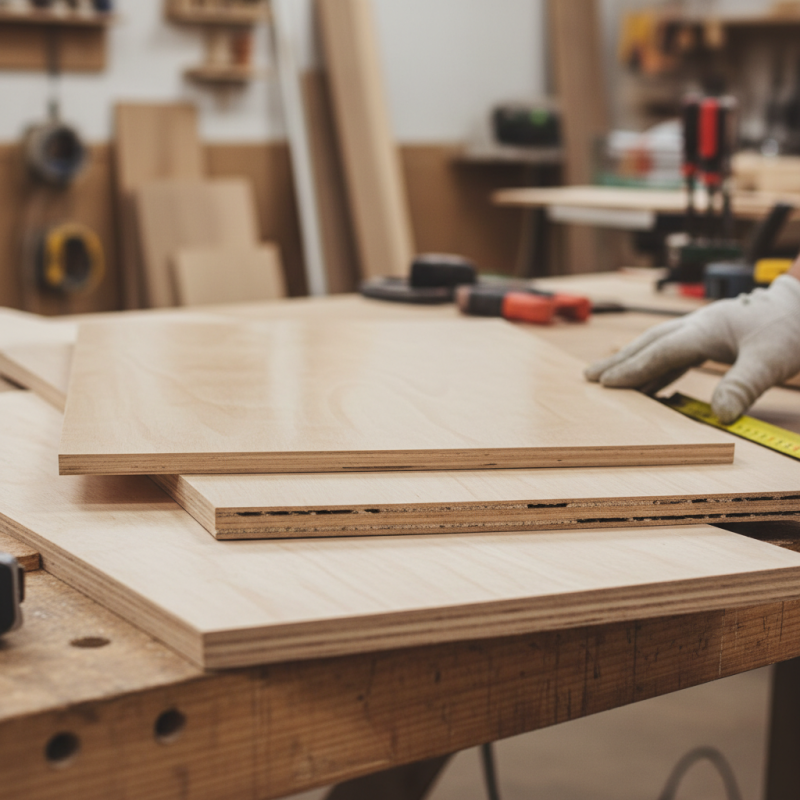
Birch plywood is renowned for its durability and aesthetic appeal. When selecting high-quality birch plywood, understanding its types and grades is crucial. Birch plywood primarily comes in two forms: commercial and furniture grade. Commercial grade plywood is typically used in construction. It's functional but may have imperfections. Furniture grade plywood, on the other hand, is smoother and more visually appealing.
Different grades indicate the quality and appearance of the plywood. Grade A is the best, featuring a smooth surface with minimal defects. Grade B and C grades may have more knots and imperfections. If you're looking for plywood for visible surfaces, opt for a higher grade. Remember, even in high-grade plywood, there can still be slight imperfections. These may add character, but reflect on your project's needs.
Tip: Always inspect the edges. They can reveal the number of layers. More layers usually indicate stronger plywood. Also, consider the plywood's source. Sustainably sourced materials are not only better for the environment but also enhance the overall quality.
When looking for high-quality birch plywood, it’s crucial to recognize key characteristics. One of the most telling signs is the number of layers. Quality plywood typically consists of multiple thin layers. These layers enhance strength and durability. A higher number of layers often equates to superior stability. Look for at least five layers for optimal performance.
Another aspect to consider is the wood grain. High-quality birch plywood displays a uniform grain pattern. The surface should be smooth to touch without noticeable blemishes or knots. Such imperfections can weaken the integrity of the plywood. Consistent color across the sheets is also desirable. This quality not only contributes to aesthetics but also reflects better manufacturing processes.
The method of sourcing is also essential. Ethically sourced birch contributes to sustainability. Furthermore, check certifications that guarantee environmental responsibility. Feel free to explore different suppliers, as their standards can vary. It may take time to find the best option. Don't be afraid to ask questions about the materials used. A knowledgeable supplier will provide insights that help in making informed choices.
When evaluating birch plywood, the appearance is a crucial factor. A high-quality birch plywood sheet should have a consistent color, usually light cream to pale yellow. Look for natural variations, as these add character. Smoothness is vital; the surface should be free from blemishes, dents, or scratches. Imperfections can impact the final product's aesthetics and durability.
**Tip:** Inspect the edges. Clean, straight edges indicate that the plywood has been cut properly. Ensure there are no exposed layers of wood. This demonstrates quality craftsmanship.
Finish plays a significant role in the plywood's overall appeal. A good finish enhances the wood's natural beauty and adds protection. Check the gloss level; a satin or matte finish is often preferred for a sophisticated look. Overly glossy finishes may hide imperfections but can appear artificial.
**Tip:** Test the finish. Apply a small amount of water to determine how the plywood reacts. If the water beads, it indicates a protective coat. This can help assess the plywood's durability.
Considering the appearance and finish helps ensure that the birch plywood is not only visually pleasing but also functional for various projects. It’s essential to balance aesthetics with usability. Reflect on how the right plywood contributes to the overall success of your project.
When choosing birch plywood, durability and strength are crucial factors to consider. A high-quality sheet should exhibit resistance to wear, bending, and warping. To evaluate these characteristics, consider performing a few simple tests. One effective method is the drop test, where you drop a weighted object from a specific height. Measure how much the plywood bends or cracks. A resilient sheet will show minimal damage.
Tips for testing plywood:
1. Perform scratch tests on the surface. High-quality birch plywood will resist scratches better.
2. Use a moisture meter. This can help ensure the plywood isn’t too moist, which weakens it.
Understanding these aspects of birch plywood ensures your projects are not only visually appealing but also sturdy. Pay close attention to the laminate layers; they should be even and free from voids. Uneven layers can indicate lower quality, leading to poor performance over time. Always check that the grain pattern is consistent, as this also signifies better strength and stability.
Sometimes, users overlook these small details. Aesthetics may tempt you, but it's essential to prioritize durability. A well-chosen birch plywood can last for years if properly tested and selected.
When comparing manufacturers for quality assurance in birch plywood, it’s essential to focus on specific traits. Look at the sourcing of wood. Quality birch plywood is made from trees harvested from sustainable forests. This practice ensures that the wood is of higher quality and environmentally friendly.
Another critical factor is the manufacturing process. The best plywood undergoes stringent quality checks during production. Consider the veneer quality and glue used. High-quality birch plywood should have a smooth finish and be resistant to warping. Pay attention to certifications that indicate adherence to industry standards.
Tips: Check for warranties. A manufacturer that stands by their product demonstrates confidence in their quality. Examine customer reviews for insights into long-term performance. Finally, don’t shy away from asking manufacturers questions. Their responses can reveal a lot about their commitment to quality control. Remember, not all products are perfect, and it's worth reflecting on your own needs and the potential shortcomings of a product before making a decision.
| Manufacturer | Grade | Thickness (mm) | Interlayer Adhesive Type | Moisture Resistance | Surface Finish | Warranty (Years) |
|---|---|---|---|---|---|---|
| Manufacturer A | B/BB | 12 | Phenolic | High | Smooth | 5 |
| Manufacturer B | BB/BB | 15 | Urea Formaldehyde | Medium | Natural | 3 |
| Manufacturer C | B/BB | 18 | Phenolic | High | Sanded | 4 |
: Birch plywood comes in two main types: commercial and furniture grade. Commercial grade is functional, while furniture grade is smoother.
Plywood quality is indicated by its grade. Grade A has minimal defects, while grades B and C have more imperfections.
Look for multiple thin layers, a smooth surface, consistent color, and a uniform grain pattern without noticeable blemishes.
More layers usually mean stronger and more durable plywood. Aim for at least five layers for optimal performance.
Consider performing a drop test to measure bending or cracking. Scratch tests can also indicate resistance to wear.
Inspect edges for layers. More layers usually indicate stronger plywood. This can reveal overall quality and durability.
Ethically sourced plywood contributes to sustainability. Checking for certifications ensures environmental responsibility in the manufacturing process.
Yes, even Grade A plywood can have slight imperfections. These may add character, but consider your project's specific needs.
A consistent grain pattern indicates better strength and stability. Imperfections in grains can weaken the plywood's integrity.
Users often overlook minor details and focus solely on aesthetics, which can compromise durability and performance.
When exploring how to identify high-quality birch plywood, it is essential to understand the various types and grades available. High-quality birch plywood is characterized by its smooth surface, uniform color, and minimal knots or defects. Evaluating the appearance and finish can provide valuable insights into the material's overall quality.
Additionally, testing for durability and strength is crucial, as these factors determine the plywood's performance in various applications. It is also helpful to compare different manufacturers to ensure quality assurance in birch plywood products. By following these guidelines, consumers can make informed decisions and choose the best birch plywood for their needs.

Regit Decor