Flexible plywood has gained significant attention in construction and design due to its versatility. It is essential to understand what makes flexible plywood bendable. Recent industry reports indicate that this material's ability to curve and mold into various shapes is largely due to its unique layering process. Manufacturers use multiple thin layers of wood, bonded together with flexible adhesives. This method allows the plywood to bend without breaking.
The demand for flexible plywood is projected to increase significantly in the coming years. According to a recent study by the Wood Product Manufacturing Association, the market for innovative hardwoods is expected to grow by 7% annually. Designers appreciate flexible plywood for its applications in furniture, architecture, and interior design. However, producers must balance flexibility with durability while ensuring consistent quality across batches.
Despite its advantages, not all plywood is created equal. Some products may not meet the necessary standards or specifications for flexibility. It's crucial for consumers and designers to assess the quality of plywood they purchase. Understanding what makes flexible plywood bendable ensures that its advantages are fully realized, leading to successful applications in your projects.
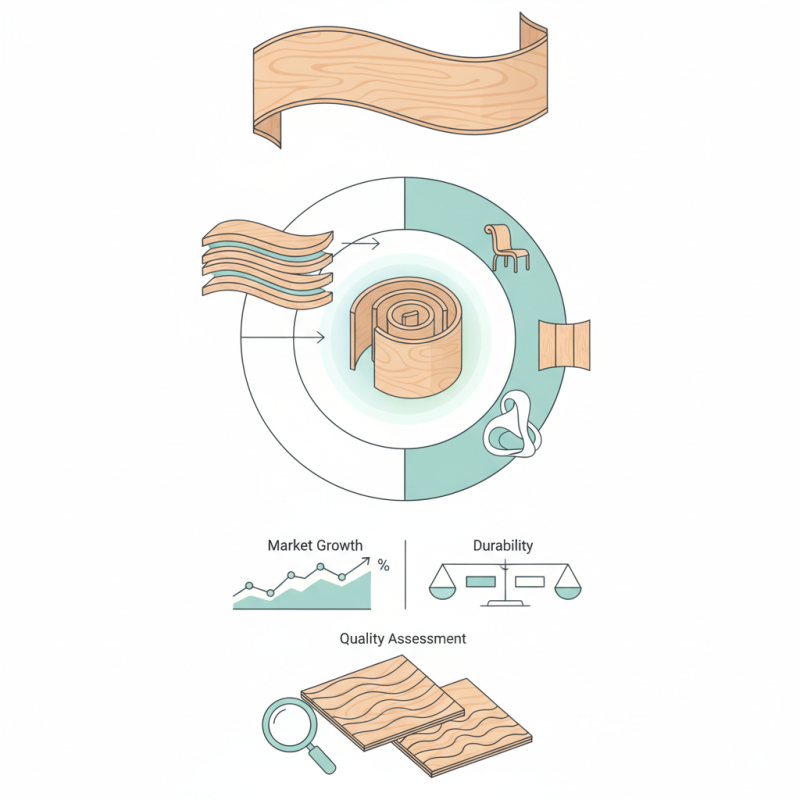
Flexible plywood is a versatile material known for its unique ability to bend without breaking. This characteristic is largely due to its layered construction. By gluing thin sheets of wood veneer together, manufacturers can create a strong yet flexible product. The layers often alternate in grain direction, which enhances the bending capabilities. This design gives flexible plywood its remarkable resilience and pliability.
The process of creating flexible plywood involves selecting specific wood types that naturally have a more pliable structure. This means that not all woods are suitable for this purpose. It's crucial to consider the wood's density and moisture content during production. Too little moisture can lead to brittleness, while too much can result in warping. These variables can significantly affect the final product’s performance.
Artisans often leverage flexible plywood for various applications, like furniture design or architectural features. The aesthetic possibilities are endless due to its ability to take on curves and shapes. However, it requires skill to ensure the intended bends are achieved without compromising the integrity of the material. Working with flexible plywood can be a process of trial and error, demanding patience and a willingness to learn from imperfections.
Plywood bending relies heavily on the interaction between its materials and the processes used in its production. The key component of flexible plywood is its thin veneers. These layers are often made from birch, poplar, or other hardwoods. According to industry studies, the moisture content of these veneers impacts bendability. Optimal moisture levels range from 8% to 12%. When wood fibers absorb moisture, they become more pliable.
Manufacturers often use specific adhesives during the lamination process. The choice of adhesive can affect the strength and flexibility of the plywood. For instance, urea-formaldehyde and phenol-formaldehyde adhesives are common. Reports indicate that phenol-formaldehyde offers superior water resistance, which may enhance bending durability. The pressing durations and temperatures during manufacturing also play a critical role. Studies show that a controlled heat application can reduce internal stresses, further aiding flexibility.
Despite these advancements, challenges remain. Not all plywood bends easily, even with ideal conditions. Variations in wood grain can lead to unpredictable results. Moreover, as plywood ages, changes in humidity and temperature can alter its flexibility. This complexity calls for careful selection and testing in applications requiring bending. The science behind plywood bending is both fascinating and intricate, highlighting the balance between material properties and practical engineering solutions.
Bending plywood is an art that requires practice and skill. The goal is to create smooth, flowing shapes without causing damage. One effective method involves soaking the plywood in water. This allows the wood fibers to expand, making it more pliable. However, timing is crucial. Too long in water can weaken the material.
Once soaked, use a flexible mold for shaping. Clamping the plywood to the mold helps achieve the desired angle. Be cautious; excessive pressure can cause splintering. Another technique is steam bending, which uses heat to make the wood flexible. This requires a steam box. The coordinated temperature and moisture content significantly impact the bending process.
It's essential to remember that every piece of plywood behaves differently. Experimentation is key. Some may crack, while others bend beautifully. Document your experiments to learn what works best for you. Adjust your techniques as needed. That’s how you can master plywood bending over time.
Flexible plywood has gained popularity for various creative applications in design and architecture. Its ability to bend easily allows it to conform to unique shapes. Designers often use it in furniture, creating organic forms that traditional materials struggle to achieve. Tables, chairs, and cabinetry benefit from the aesthetic appeal and structural integrity that flexible plywood offers.
In interior design, flexible plywood can effortlessly shape walls or ceilings. It enhances spaces with curves and rounded edges, breaking the monotony of straight lines. Its lightweight nature allows for less strain on structures while maintaining durability. However, working with this material requires skill. Achieving the desired shape may require repeated adjustments. This process can lead to design tweaks that prove challenging yet rewarding.
Another interesting use is in artistic installations. Artists utilize flexible plywood for sculptures, allowing for movement and fluidity. This brings a dynamic quality to their work. Practical applications also extend to temporary structures, providing flexibility for changing exhibitions. Yet, achieving the right balance of flexibility and strength is crucial. It demands patience and a thoughtful approach to each project.
| Application | Benefits | Bending Techniques | Recommended Thickness |
|---|---|---|---|
| Furniture Design | Lightweight and customizable shapes | Cold bending and laminate techniques | 3mm to 6mm |
| Architectural Structures | Unique and aesthetic designs | Steam bending | 4mm to 8mm |
| Art Installations | Versatile and creative expressions | CNC milling and carving | 2mm to 5mm |
| Interior Decoration | Warm and natural aesthetics | Bending with jigs | 3mm to 7mm |
| Prototyping | Quick and cost-effective model creation | Vacuum forming | 1.5mm to 4mm |
Flexible plywood projects offer unique design possibilities. However, proper maintenance is vital to ensure their longevity. Regular cleaning is straightforward. Use a damp cloth to wipe off dust and dirt. Avoid harsh chemicals that can damage the surface. Simple soap and water work well for cleaning.
Moisture control is crucial for maintaining flexibility. Store flexible plywood in a dry environment. Exposure to moisture can lead to warping over time. If moisture does accumulate, drying it promptly is essential. This way, you prevent damage and retain the plywood's original shape.
Regular inspections can help catch defects early. Look for any signs of cracking or peeling. Addressing these issues promptly can prevent bigger problems down the line. Applying sealants can enhance durability. However, choose a product compatible with plywood. Balancing aesthetics and functionality is essential for any project.
: Thin veneers are the key component for plywood bending.
Optimal moisture levels between 8% to 12% make wood fibers more pliable.
Common adhesives include urea-formaldehyde and phenol-formaldehyde.
Controlled heat during pressing reduces internal stresses, aiding flexibility.
Variations in wood grain can lead to unpredictable bending results.
Changes in humidity and temperature during aging can alter flexibility.
It allows for organic forms that traditional materials struggle to achieve.
Regular cleaning with a damp cloth and avoiding harsh chemicals is important.
Storing it in a dry environment prevents warping over time.
Look for signs of cracking or peeling to address issues early.
Flexible plywood is a versatile material characterized by its ability to bend without breaking, which stems from its unique composition and manufacturing processes. What makes flexible plywood bendable lies in its layers, which are often made from thin veneers that are glued together in a cross-grain pattern. This construction allows the plywood to flex while maintaining strength and stability. Understanding the science behind plywood bending, including the types of woods used and the methods of processing, is crucial for achieving the desired results in various applications.
The article provides a step-by-step guide on techniques for bending plywood, making it accessible for both DIY enthusiasts and professionals. Additionally, it explores creative uses of flexible plywood in design and construction, highlighting its benefits like lightweight properties and aesthetic versatility. Proper maintenance and care are essential to ensure the longevity of flexible plywood projects, allowing for enduring applications in furniture, architectural elements, and artwork.

Regit Decor