 Regit Decor
Is Fire Retardant Plywood Required by Building Codes Best Guide?
When considering the safety and durability of construction materials, one question often arises: "Is fire-retardant plywood required by building codes?" According to industry expert Dr. Jane Lawson, a fire safety engineer, “The choice of materials can greatly influence fire safety in buildings.” This emphasizes the importance of understanding building codes and fire resistance.
Fire-retardant plywood offers a level of protection against fire, potentially reducing damage and saving lives. Many regions have specific building codes that dictate when such materials are necessary. Yet, compliance can be complex and vary widely. Some projects might overlook critical requirements, unaware of the repercussions.
Understanding whether fire-retardant plywood is required by building codes can be challenging. It’s crucial to connect with local authorities and professionals. Building codes can frequently change, and what applies to one project may not apply to another. Being informed and proactive about fire safety not only protects assets but also promotes community well-being.
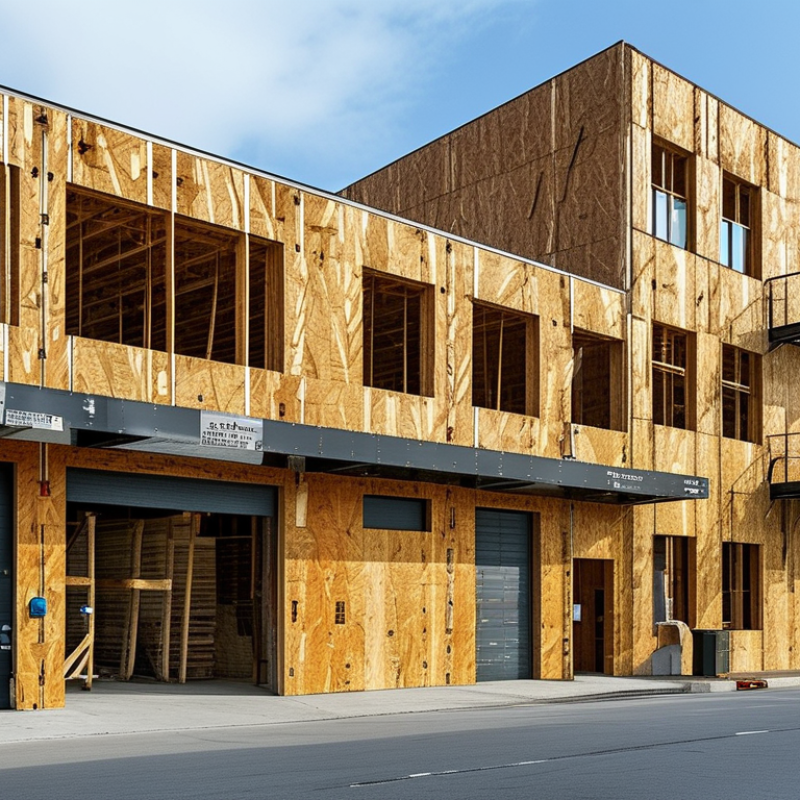
Understanding Fire Retardant Plywood and Its Characteristics
Fire retardant plywood (FRP) is increasingly significant in construction. Its primary appeal lies in its ability to slow the spread of flames, which can save lives and property. According to a report by the National Fire Protection Association, building fires cause over 3,000 deaths annually in the U.S. alone. Using FRP can significantly reduce those risks. The material's effectiveness depends on its chemical treatment during manufacturing, which enhances its resistance to ignition.
The characteristics of fire retardant plywood include enhanced durability and moisture resistance. These features make it suitable not only for interior applications but also for areas exposed to higher humidity, such as kitchens and bathrooms. However, it's essential to ensure the plywood is correctly rated and meets the National Fire Protection Association standards. Studies also indicate that not all fire retardant products perform equally; some offer minimal protection under real fire conditions. The exact level of fire resistance varies based on thickness and the type of treatment used.
While fire retardant plywood can provide a sound safety measure, it is not bulletproof. In some scenarios, improper installation or maintenance can reduce its effectiveness. Additionally, builders must remain vigilant regarding building codes, which can change. Keeping up with these regulations ensures compliance and safety in construction projects. This continuous improvement mindset can help address the evolving challenges of fire safety in building design.
FAQS
: Fire retardant plywood is treated with chemicals to slow down combustion and reduce fire spread risks.
It reduces the risk of flames spreading during wildfires or building fires, enhancing safety significantly.
No, it does not make plywood completely fireproof. Treatments can diminish over time.
Buildings made with it can lower insurance premiums due to reduced fire risk and compliance with safety codes.
Yes, regular inspections and maintenance are necessary to ensure ongoing effectiveness.
It's mostly required in high-risk areas. Non-fire retardant materials may still work in low-risk settings.
Analyze local building codes, fire risks, and consult professionals to make informed choices on materials.
Yes, it can be pricier, but the investment may be worth it for added safety and compliance.
Educating builders and homeowners helps prioritize safety through informed choices about materials and practices.
Its effectiveness can lessen over time, which is something that not everyone may account for.
Conclusion
The article titled "Is Fire Retardant Plywood Required by Building Codes Best Guide?" delves into the essential nature and characteristics of fire retardant plywood, emphasizing its critical role in enhancing fire safety in construction. It examines various building codes and regulations that mandate fire safety measures, revealing the significance of using fire retardant plywood in high-risk areas prone to fire hazards.
Moreover, the article provides a comparative analysis of fire retardant versus non-fire retardant materials, highlighting the advantages of selecting fire-resistant options. Best practices for the selection and installation of fire retardant plywood are also discussed, offering guidance for builders and contractors. Ultimately, it answers the pivotal question of whether "Is fire-retardant plywood required by building codes" and underscores its importance for safeguarding structures and occupants against potential fire incidents.
