 Regit Decor
10 Effective Tips to Treat Plywood for Termites and Rot?
When dealing with wood structures, understanding how to treat plywood against termites and rot is crucial. Experts in the field emphasize that prevention is key. According to Mark Johnson, a wood preservation specialist, "Effective treatment can make your plywood last for decades."
Termites and rot can silently compromise the integrity of plywood. Awareness of these threats is essential for homeowners and builders alike. Proper treatment methods can save both time and money in the long run.
Knowing how to treat plywood against termites and rot requires specific techniques and products. Many homeowners overlook this, risking significant damage. Regularly inspecting plywood for signs of infestations or decay is part of a proactive approach. Ultimately, informed decisions can lead to better longevity for your plywood structures.
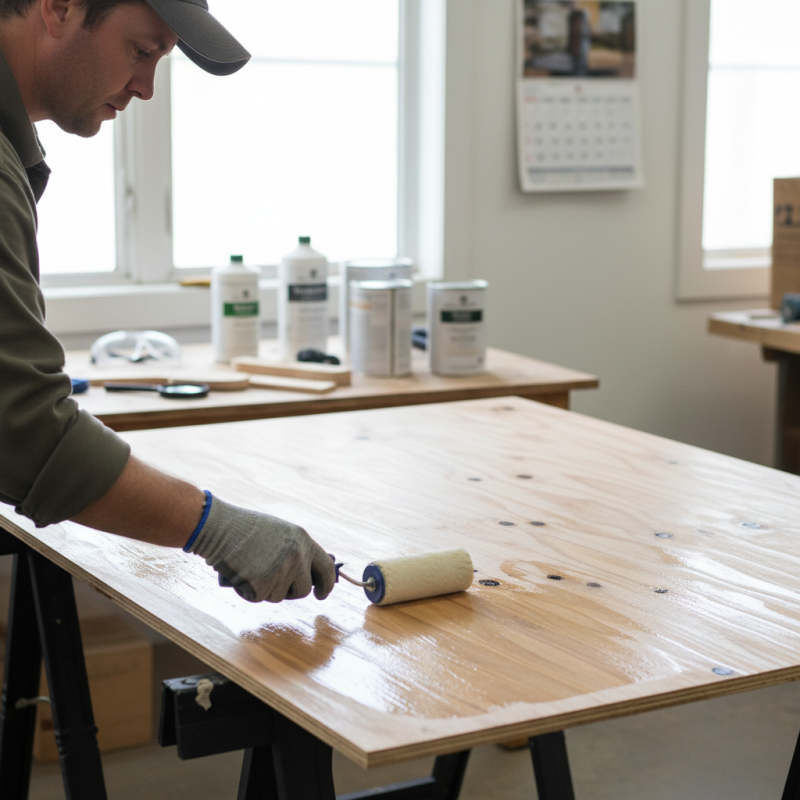
Understanding the Threat: Termites and Rot in Plywood Structures
Plywood structures are susceptible to termites and rot, posing significant risks to homes and buildings. These pests thrive in moist environments and can quickly weaken wooden frameworks. Understanding this threat is vital for property owners. Without proper treatment, plywood can suffer irreversible damage, leading to costly repairs.
Regular inspections can help identify early signs of infestation. Look for small holes or frass, which indicates termite activity. Rot may present as dark, soft patches on the surface. Addressing moisture issues around plywood is essential. Poor drainage or leaky pipes create an ideal habitat for both termites and fungi. Sometimes, identifying these problems can be surprisingly challenging.
Preventative measures include applying protective coatings and sealants. These treatments help create a barrier against moisture and pests. However, it's crucial to remember that no method is foolproof. Continuous monitoring and maintenance will keep plywood structures safe. Awareness and proactive steps are the keys to protecting your investment.
10 Effective Tips to Treat Plywood for Termites and Rot
| Tip Number | Treatment Method | Effectiveness | Application Frequency | Cost Estimate |
|---|---|---|---|---|
| 1 | Chemical Treatment | High | Every 5 years | $300 - $800 |
| 2 | Boric Acid Treatment | Moderate | Every 3 years | $100 - $300 |
| 3 | Heat Treatment | High | Once | $500 - $1,500 |
| 4 | Physical Barriers | Moderate | As needed | $200 - $600 |
| 5 | Fungicide Treatment | High | Every 2 years | $150 - $400 |
| 6 | Propylene Glycol | Moderate | Every 5 years | $50 - $150 |
| 7 | Natural Oils | Moderate | Every year | $20 - $100 |
| 8 | Moisture Control | High | Ongoing | $0 - $300 |
| 9 | Regular Inspections | High | Every 6 months | $100 - $300 |
| 10 | Professional Pest Control | Very High | Annually | $200 - $1,500 |
FAQS
: Look for small, mud tubes on walls or wood. Soft spots on wood may indicate rot.
Check for tiny holes in the surface. If the wood feels spongy, it may have rot.
Regular checks can help catch issues early. Aim for at least once every few months.
Borate solutions penetrate wood and create a barrier against termites. They are quite effective.
Excess moisture attracts pests. More than 90% of infestations occur in moist areas. Keep wood dry.
Proper airflow reduces humidity. Better ventilation can decrease wood decay rates by 25%.
Regularly inspect for damage. Re-seal every few years to prolong its lifespan and prevent pests.
Yes, even small changes in ventilation can lead to significant improvements in wood durability.
With proper care, treated plywood can last decades. Neglect can lead to rapid decay.
Yes, for severe issues, contacting pest control is wise. They can offer tailored solutions.
Conclusion
To effectively address how to treat plywood against termites and rot, it is crucial to first understand the threats posed by these destructive elements. Termites can compromise the structural integrity of plywood, while rot can weaken its components. Recognizing the signs of infestation and damage is the first step in prevention and treatment.
Employing effective chemical treatments can significantly reduce the risk of termite infestations in plywood, while physical barriers and repair techniques can help manage existing rot damage. Regular maintenance practices are essential to extend the lifespan of treated plywood, ensuring it remains resilient against potential threats. By combining these strategies, homeowners can safeguard their plywood structures effectively.
