 Regit Decor
How to Cut Plywood Without Splintering Edges Easily?
Cutting plywood without splintering edges is a common challenge in woodworking. According to a report by the Woodworking Manufacturers Association, nearly 30% of woodworkers face issues with edge splintering regularly. This can affect the aesthetics and stability of projects. Expert carpenter John Miller states, "The way you cut plywood significantly impacts its final appearance."
Proper techniques are essential for achieving clean edges. For instance, using a fine-toothed blade and proper support can minimize splintering. Woodworkers must be mindful of pressure applied during cutting. It can lead to splintering if not controlled. While the right tools can help, technique often matters just as much.
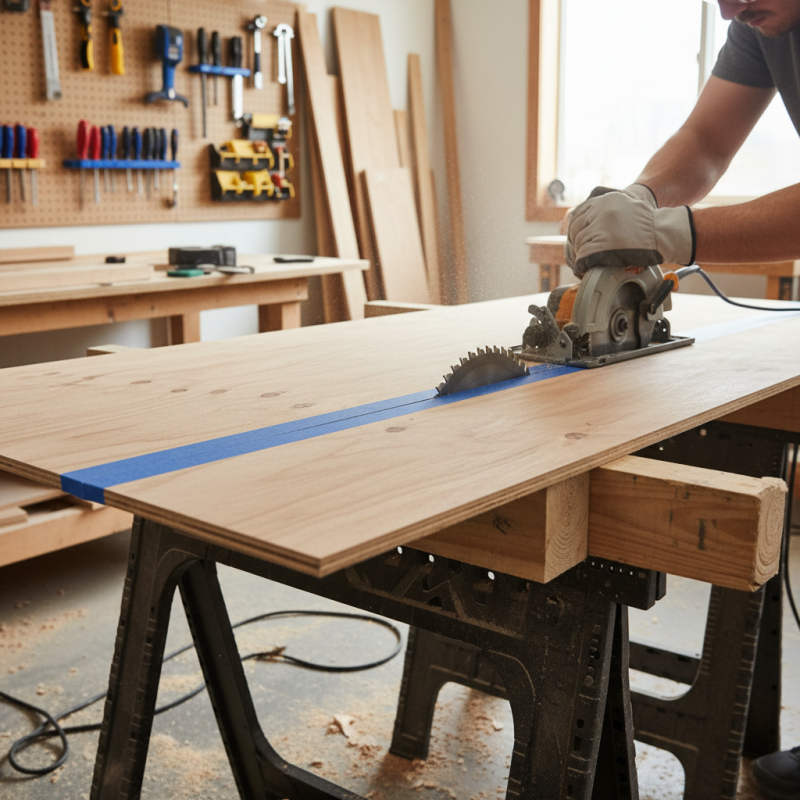
Industry standards suggest using masking tape over the cut line as an effective method to reduce splintering. However, experiences vary. Some find tape beneficial, while others see minimal difference. Ultimately, understanding how to cut plywood without splintering the edges is vital for quality craftsmanship. The process requires practice and attention to detail. Each project offers a new lesson in achieving those clean cuts.
Choosing the Right Plywood Type to Minimize Splintering Risks
Choosing the right plywood type is crucial for minimizing splintering risks. Industry reports indicate that plywood made from hardwood species, such as birch or maple, tends to splinter less than softwood alternatives like pine. This is due to denser grains and stronger fibers in hardwood, which hold together better during cutting.
A study published in the Journal of Wood Science found that using plywood with a smooth surface finish can further reduce splintering. The research demonstrated that surfaces treated with a high-quality veneer had a significantly lower splinter rate. Selecting plywood with a lower void content also helps. Higher-quality plywood provides more stability, reducing the likelihood of splintering along the edges.
Cutting techniques also matter. Many woodworkers suggest using a fine-toothed saw blade, as this can create cleaner cuts. Regularly replacing dull blades is important too. A dull blade tears through the material, increasing the chances of splintering. Even with the right plywood, improper tools can lead to frustrating results. Experimenting with different blades and settings can enhance outcomes over time.
FAQS
: Scoring involves cutting along the line before the main cut. It reduces splintering and creates clean edges.
Applying masking tape along the cut line holds fibers together. This prevents tearing during the cutting process.
Always test your methods on scrap pieces first. Different plywood reacts differently to various techniques.
Sanding is straightforward. Start with coarse grit and finish with finer grit to reduce visible splinters.
Applying an edge sealer protects against moisture and swelling. Unsealed edges can swell and become damaged.
Edge banding uses thin strips to cover edges. It provides a seamless look but requires precision in application.
Poorly done edge banding can lead to peeling or misalignment. Accurate measuring and even adhesive application are key.
Don’t be discouraged by mistakes. Learning what works best takes time and practice. Experiment with various techniques.
Using 120-grit sandpaper effectively smooths edges without damaging the material. It's a widely accepted standard.
Approximately 40% of woodworkers face splintering issues. This highlights the importance of proper cutting techniques.
Conclusion
In the quest to understand **how to cut plywood without splintering the edges**, it is essential to choose the right type of plywood that minimizes splintering risks. Various plywood grades and finishes can significantly affect the quality of the cut. Equipping yourself with essential tools like fine-toothed saw blades and scoring knives is also crucial for achieving clean edges.
Techniques such as scoring the plywood edges before cutting can help prevent damage. A step-by-step guide to using a circular saw effectively will further ensure clean cuts without splinters. Lastly, applying post-cutting finishing methods can enhance edge quality, resulting in a polished and professional appearance. By following these guidelines, you can master the art of cutting plywood while managing splintering effectively.
