When considering materials for your woodworking projects, a crucial question arises: "Why choose poplar plywood over pine plywood?" Both options have unique qualities, but poplar plywood stands out in various aspects. According to the American Plywood Association, poplar offers lower moisture absorption, contributing to enhanced durability. This characteristic is vital in regions facing humidity changes.
Poplar’s consistent grain and texture allow for superior finishing. A study by the National Wood Flooring Association indicates that poplar plywood often achieves a smoother finish than its pine counterpart. This smooth finish is particularly beneficial for projects where aesthetics matter, such as cabinetry and furniture. Furthermore, poplar is lighter than pine, making it easier to handle and transport.
However, it’s essential to note that poplar may cost more than pine on average. While pine is widely available and generally more budget-friendly, the long-term benefits of poplar can justify the investment. Choosing the right material impacts project viability and overall satisfaction. Weighing these factors leads to informed decisions that enhance the quality of woodworking endeavors.
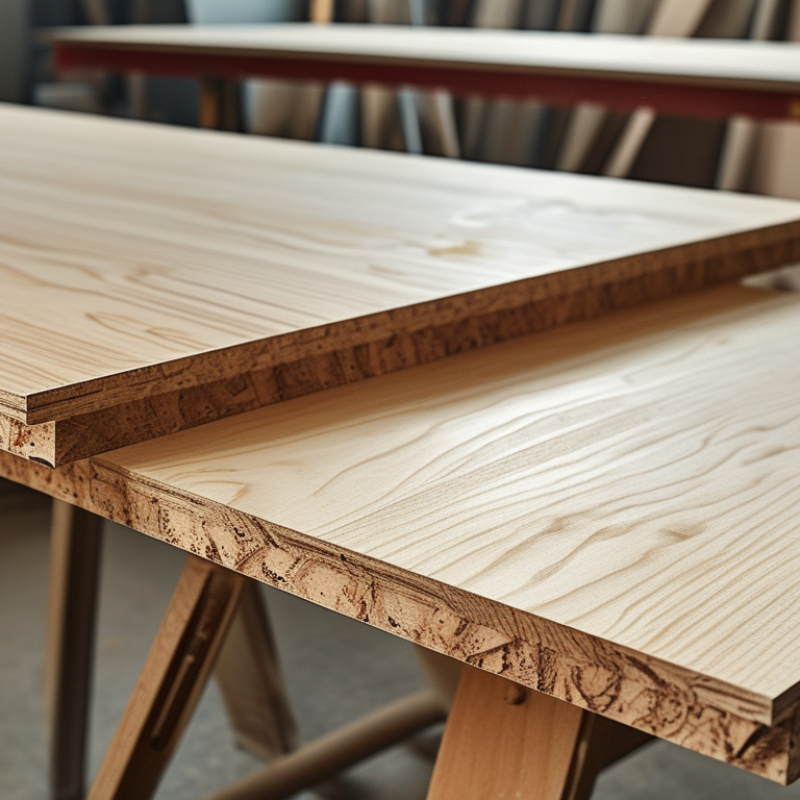
Comparative Strength and Durability of Poplar Plywood vs. Pine Plywood
When comparing poplar plywood to pine plywood,
strength and durability are key factors. Research from the Wood Products Council shows that poplar plywood typically has a
higher strength-to-weight ratio.
This means poplar is more resilient under stress, making it suitable for heavier loads and structural applications.
Poplar plywood also exhibits superior durability in humid conditions. Many carpenters prefer it for projects that may experience
fluctuating moisture levels. Pine plywood has a tendency to warp under such stress.
A report published by the Forest Products Laboratory indicates that poplar holds its integrity better over time compared to its
pine counterpart, which is often more prone to deformation and insect damage.
Despite these advantages, poplar may sometimes have a higher initial cost
than pine. This can lead to hesitancy in its selection. However, understanding that poplar offers long-term benefits can shift
this decision. Investing in poplar can ultimately lead to savings, as fewer repairs or
replacements will likely be needed. Choosing the right plywood is crucial for the success of your project.
Cost-Effectiveness: Analyzing Budget Implications of Poplar vs. Pine
When evaluating materials for your projects, considering cost-effectiveness is crucial. Poplar plywood often proves more budget-friendly than pine plywood. According to industry reports, the average cost of poplar plywood is around $35 to $50 per sheet, while pine ranges from $40 to $60. These price differences can lead to significant savings, particularly in larger projects.
In addition to the purchase price, the long-term value of poplar plywood is impressive. It is lightweight and easy to work with. This can reduce labor costs and time. A 2022 study highlighted that builders save about 15-20% in labor costs when using poplar for cabinetry. This efficiency can enhance overall project profitability.
Tips: Always compare local prices, as market variations exist. Consider doing small tests with both materials to evaluate ease of handling and aesthetics. And remember, while poplar may be cheaper upfront, weigh its durability against your project's needs.
Why Choose Poplar Plywood Over Pine Plywood for Your Projects? - Cost-Effectiveness
| Parameter |
Poplar Plywood |
Pine Plywood |
| Cost per sheet (4x8 ft) |
$45 |
$35 |
| Weight (lbs) |
35 |
50 |
| Strength (Modulus of Rupture) |
12,000 psi |
10,000 psi |
| Moisture Resistance |
Good |
Moderate |
| Screw Holding Strength |
Strong |
Fair |
| Surface Finish |
Smooth |
Rough |
Aesthetic Qualities: Visual Appeal of Poplar Compared to Pine Plywood
When it comes to aesthetic qualities, poplar plywood often shines brighter than its pine counterpart. Poplar features a fine, uniform grain that presents a smooth and attractive surface, ideal for furniture and cabinetry. Pine, while charming with its rustic knots and variations, might lack the sleekness that poplar offers. According to the Plywood Association, poplar's even texture enables superior finishing options, making it popular among woodworking professionals.
Tips: Consider the final look of your project. For a modern aesthetic, poplar is a strong choice.
In addition to its visual appeal, poplar plywood holds its own in terms of versatility. It can be stained or painted easily, enhancing its adaptability for various design styles. Reports indicate that poplar maintains stability better than pine, making it less prone to warping over time. Pine has benefits but may not always be suitable for high-end projects that demand a pristine finish.
Tips: Test stains on scrap pieces. Get a sense of how colors interact with poplar.
While poplar plywood may have a higher price point than pine, the investment can pay off in the long run. It offers longevity and aesthetic appeal that can elevate any project. However, keep in mind that poplar may not be as readily available in all regions, creating sourcing challenges.
Environmental Impact: Sustainability Considerations for Poplar and Pine
When considering environmental impacts, poplar plywood often emerges as a more sustainable choice compared to pine plywood.
Poplar trees grow faster than pine, allowing for quicker harvesting and replenishment. This rapid growth reduces the time forests are disrupted, helping maintain ecological balance.
Additionally, poplar requires less water and fewer chemicals during cultivation, leading to a lesser environmental footprint.
On the flip side, pine plywood, while durable, poses sustainability challenges. Pine trees take longer to mature, which can lead to over-harvesting in certain areas.
This practice can result in deforestation and habitat destruction. Moreover, some pine sources may involve questionable logging practices that threaten local ecosystems.
Choosing poplar plywood can signal a commitment to eco-friendliness. However, like all materials, it is essential to source from reputable suppliers. Not all poplar plywood is created equal; some may come from unsustainable practices. Understanding the origins can help ensure that your choice is genuinely contributing to sustainability.
Versatility in Applications: When to Choose Poplar Plywood Over Pine
Poplar plywood stands out with its versatility, making it a strong choice for various projects. Its smooth surface is ideal for painting and staining, allowing for vibrant finishes. This quality makes poplar plywood a go-to material for furniture and cabinetry. It’s less prone to warping than pine, ensuring that your creations maintain their shape over time.
While pine plywood is often favored for its cost-effectiveness, it can be limited in terms of functionality. Its knots and irregularities often detract from the final look. In contrast, poplar offers a clean and consistent grain, making it easier to work with, especially for intricate designs.
When projects demand durability and aesthetic appeal, poplar shines. It performs well for applications ranging from custom shelving to detailed millwork. However, using poplar may require more precise handling to avoid excess waste. Balancing its advantages with the need for careful execution can lead to exceptional results in woodworking.
Comparison of Poplar Plywood and Pine Plywood in Various Applications
This chart compares the percentage usage of Poplar Plywood versus Pine Plywood across various applications. As shown, Poplar Plywood is preferred in furniture and decorative projects due to its versatility and aesthetic qualities, while Pine Plywood finds equal usage in flooring and cabinetry.
FAQS
: Poplar plywood has a higher strength-to-weight ratio. It handles heavier loads better than pine plywood.
Poplar plywood shows better durability in humid conditions. It resists warping, unlike pine, which can deform.
Poplar may cost more initially, but it leads to fewer repairs over time. This can save money long-term.
Poplar trees grow faster and require less water. This makes poplar plywood more sustainable than pine plywood.
Yes, pine takes longer to mature. Over-harvesting can lead to deforestation and habitat destruction, harming ecosystems.
Poplar is versatile and ideal for furniture and cabinetry. It’s great for detailed designs due to its smooth grain.
Ensure poplar plywood comes from reputable suppliers. Not all sources practice sustainability, which can impact choices.
Yes, careful execution is needed to avoid waste. Balancing its benefits with precision leads to better results.
Poplar has a clean, consistent grain. Pine's knots can detract from the overall look of finished projects.
While poplar has advantages, its higher cost may raise questions. Weighing costs against benefits is essential.
Conclusion
When considering "Why choose poplar plywood over pine plywood," several factors come into play, including strength, cost, aesthetics, environmental impact, and versatility. Poplar plywood is renowned for its superior strength and durability, making it a prime choice for projects that require reliable performance over time. In terms of cost-effectiveness, while both types have budget implications, poplar often provides better long-term value due to its durability.
Aesthetically, poplar plywood offers a smoother finish and lighter color, enhancing the overall visual appeal of projects. Environmental considerations also favor poplar, as it is often sourced from sustainable practices. Lastly, the versatility of poplar plywood makes it suitable for various applications, from furniture to cabinetry, thereby expanding its usability compared to pine. Overall, the advantages of poplar plywood make it a compelling option for many woodworking needs.
 Regit Decor
