China Top MDF vs Plywood Differences for Global Buyers?

Time:2026-04-29 Author:Amelia
0%

When considering materials for construction and furniture, many global buyers ask, "What is the difference between MDF and plywood?" Both materials have unique properties that cater to specific needs. MDF, or Medium Density Fiberboard, is an engineered wood product made from wood fibers. It offers a smooth surface and is often used in applications requiring precise cuts and finishes. Reports show that the global MDF market size reached USD 19.98 billion in 2023, driven by its popularity in cabinetry and moldings.

Plywood, on the other hand, is made from thin layers of wood veneers glued together. It is renowned for its strength and durability, making it ideal for structural applications. According to industry data, the plywood market is projected to grow at a CAGR of 5.5% from 2023 to 2030. While both materials serve similar purposes, their performance varies greatly under different conditions. Decisions about which to choose can involve trade-offs, especially concerning cost, environmental sustainability, and physical properties. Therefore, understanding these differences is crucial for making informed choices in the global marketplace.
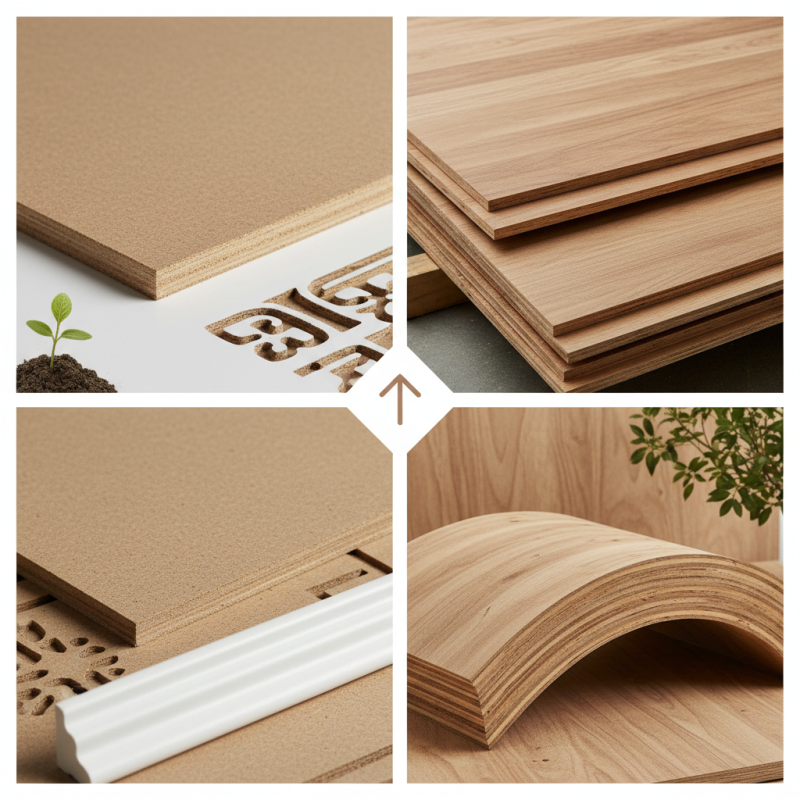
China Top MDF vs Plywood Differences for Global Buyers?

China's MDF Overview: Definition and Characteristics

MDF, or Medium Density Fiberboard, is a versatile engineered wood product. It is made from wood fibers, wax, and resin, which are compressed under heat and pressure. This process creates a dense, smooth surface ideal for painting and veneering. MDF is commonly used for furniture, cabinetry, and moldings. Its fine texture allows for detailed cutting and shaping, making it a favorite among woodworkers.

While MDF offers many advantages, it also has its drawbacks. One consideration is its susceptibility to moisture. If not properly sealed, MDF can swell and warp when exposed to water. This makes it less suitable for outdoor use or in high-humidity areas. Additionally, the production of MDF involves adhesives that can emit formaldehyde. This raises concerns about indoor air quality, highlighting the need for proper ventilation.

Tips: When choosing MDF, consider its intended use. Look for options with low formaldehyde emissions that comply with environmental standards. Ensure proper sealing to protect against moisture. Always verify the specifications and quality of the product before purchasing.

The characteristics of MDF make it distinct from plywood. Unlike plywood, which is made from layers of veneer, MDF is uniform and homogeneous. This can lead to a smoother finish but may not provide the same structural strength as plywood. Buyers should weigh these differences carefully depending on their project requirements.

Understanding Plywood: Types and Features in the Market

Plywood is a popular material made from thin layers of wood veneer. The types of plywood vary based on quality and usage. There are several key categories, including hardwood, softwood, and marine plywood. Each type has distinct properties that affect its strength and durability, making it essential for buyers to understand these differences before purchasing.

Hardwood plywood is typically stronger and more durable. It’s perfect for furniture and cabinetry. In contrast, softwood plywood is lighter and less expensive. This type is often used for construction and sheathing. Marine plywood is water-resistant, designed for boat building and outdoor applications. Each type serves a specific purpose, impacting your choice.

Buyers should consider the sourcing of plywood. The quality fluctuates widely based on where it comes from. Not all manufacturers use sustainable practices, which could affect both quality and environmental impact. It's crucial to verify the sourcing and certifications of the plywood you choose. This awareness can lead to better choices and outcomes for your projects.

China Top MDF vs Plywood Differences for Global Buyers

Key Differences Between MDF and Plywood in Construction Uses

MDF (Medium Density Fiberboard) and plywood are two popular materials in construction. Their differences significantly affect their applications.
MDF is made from wood fibers compressed with adhesives. This results in a smooth surface and uniform density. It is ideal for intricate designs and furniture. However, MDF is susceptible to water damage, making it less suitable for outdoor use.

Plywood, on the other hand, consists of multiple layers of wood veneers glued together. This layered construction provides strength and durability. Plywood can withstand moisture and is often used in roofing, flooring, and wall sheathing. A downside is that its surface may require sanding for a smooth finish. Buyers should consider their specific needs when choosing between these two materials.

In summary, both MDF and plywood have unique properties that suit different construction needs. Understanding these differences is crucial. Each material has strengths and weaknesses that should be reflected upon when making a choice.

Cost Analysis: MDF vs Plywood for Global Buyers

When considering cost, MDF and plywood differ significantly. According to industry reports, MDF typically costs around 10-30% less than plywood. This cost advantage is appealing for large-scale projects. However, the initial savings may not account for long-term durability.

MDF is often cheaper to manufacture. It uses wood fibers, which can be sourced from various materials. Plywood, on the other hand, consists of layered wood veneers glued together. This process is more labor-intensive and results in higher production costs. However, plywood offers superior strength and resistance to warping.

Buyers should also consider other factors. For instance, MDF is prone to damage from moisture, which can lead to higher replacement costs. A study indicated that plywood maintains structural integrity better in humid conditions. Evaluating these factors can guide buyers in making informed decisions. Proper analysis of costs versus performance is essential.

Sourcing Tips: Where to Buy Quality MDF and Plywood in China

When sourcing MDF and plywood in China, buyers should start by understanding local markets. China has numerous suppliers, but quality can vary significantly. Visiting trade shows can provide face-to-face interactions with manufacturers. It is important to assess materials firsthand. Look for certifications or ask for product samples to ensure quality.

Consider building a relationship with suppliers. Open communication and clear expectations can foster trust. Many buyers focus solely on price, but that can lead to compromises on quality. A slightly higher investment might yield a better product. Seeking recommendations from industry experts can also be beneficial.

Explore online platforms that specialize in bulk materials. Verify the credibility of suppliers by checking reviews and ratings. Sometimes, a lower accessibility can indicate hidden costs. Adapting a flexible approach may help in negotiations. Always keep a close eye on the procurement process. Mistakes can lead to delays or unsatisfactory products, which reflects on your business.

FAQS

: How do the costs of MDF and plywood compare?

: MDF typically costs 10-30% less than plywood but may lack long-term durability.

What are the manufacturing differences between MDF and plywood?

MDF uses wood fibers and is cheaper to produce. Plywood is made from layered veneers, increasing production costs.

Is MDF resistant to moisture?

No, MDF is prone to moisture damage, which can lead to higher replacement costs over time.

How does plywood perform in humid conditions?

Plywood maintains its structural integrity better than MDF in humid environments.

What should buyers look for when sourcing materials in China?

Buyers should assess local suppliers, visit trade shows, and evaluate materials to ensure quality.

Why is relationship building with suppliers important?

Good communication fosters trust and can help avoid compromises on quality during negotiations.

Should buyers focus solely on the price when sourcing?

No, focusing only on price might lead to lower quality products and long-term issues.

What role do certifications play in material sourcing?

Certifications can help verify quality and ensure that buyers receive reliable products.

How can online platforms assist in sourcing?

Online platforms provide access to various suppliers, but checking reviews is crucial for credibility.

What mistakes should buyers avoid in the procurement process?

Common mistakes include inadequate research and poor communication, which can lead to delays and dissatisfaction.

Conclusion

This article explores the fundamental differences between Medium Density Fiberboard (MDF) and plywood, addressing the question, "What is the difference between MDF and plywood?" While MDF is manufactured from wood fibers bonded with resin under heat and pressure, giving it a smooth surface suitable for detailed machining, plywood consists of thin layers of wood veneer glued together, which provides strength and durability.

In the context of construction, MDF is often favored for cabinetry and intricate designs due to its finishability, whereas plywood is preferred for structural applications thanks to its superior strength and stability. The cost analysis further highlights the considerations global buyers must make when sourcing these materials in China, including where to find quality options. Understanding these distinctions is crucial for making informed purchasing decisions in the evolving marketplace of wood products.

Amelia

Amelia

Amelia is a seasoned marketing professional with a wealth of expertise in our company’s core offerings. With an unwavering passion for driving growth and innovation, she plays a pivotal role in shaping our marketing strategies and enhancing brand visibility. A key aspect of her responsibilities......