Can You Stain Plywood to Look Like Hardwood in 2026?

Time:2026-11-08 Author:Madeline
0%

Can you stain plywood to look like expensive hardwood? Sometimes—but the face veneer, not the stain, sets the limit. A clean, high-grade birch or oak face can take on a richer appearance, while patches, pale grain, and exposed plies may remain visible. Not quite solid wood.

The budget context is real. Houzz’s 2024 U.S. Houzz & Home Study reported a median home-renovation spend of $24,000 in 2023. That figure covers many project types, not plywood finishing specifically, but it helps explain why homeowners look for lower-cost ways to improve cabinets and built-ins. Still, a stain can’t create the deep, continuous grain of a thick hardwood board.

The USDA Forest Products Laboratory’s Wood Handbook describes how wood species and surface preparation affect finishing. APA—The Engineered Wood Association also distinguishes plywood panels by face grade, a useful clue when choosing a sheet for visible work. In practice, inspect the veneer under natural light, test stain on an offcut, and sand gently; some faces are thin enough to expose the layer beneath. A sample may look convincing at noon and uneven under warm evening lights. I would not promise a perfect match. This guide explains which plywood faces stain best, how to prepare them, and when veneer or paint is the more dependable choice.
Can You Stain Plywood to Look Like Hardwood in 2026?

How Plywood Can Be Made to Resemble Hardwood

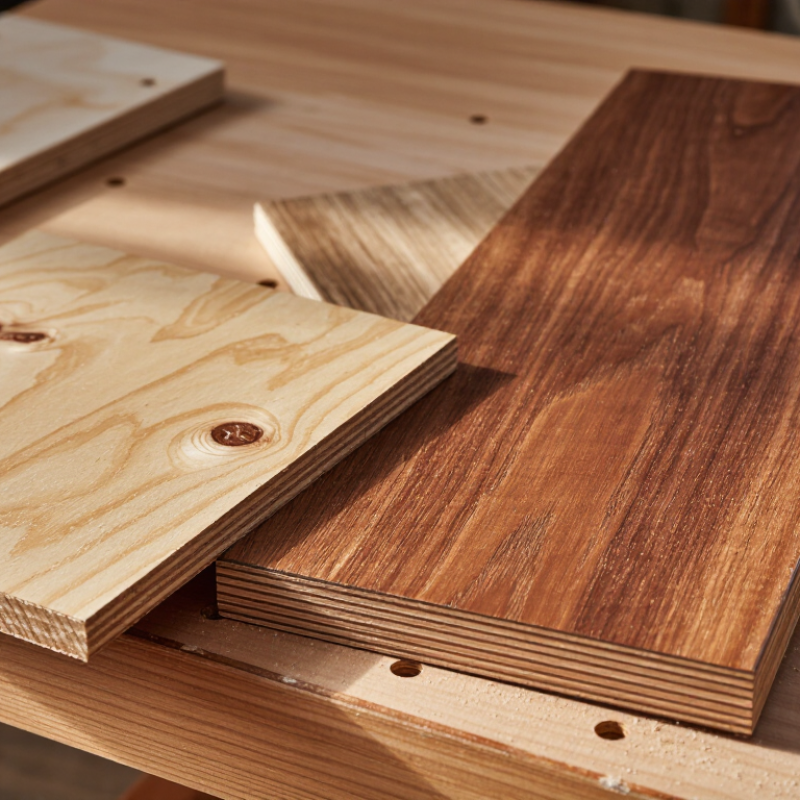
Plywood can resemble hardwood most convincingly when its face veneer already has a hardwood grain. Stain cannot create oak pores or walnut figure on a plain, featureless surface. It can, however, deepen the veneer’s color and bring out its natural pattern. Start with a small offcut from the same sheet. Sand gently with fine paper; the face veneer may be thin, and sanding through it is difficult to repair. I’ve found that even a careful test can reveal surprises. Birch, for example, may absorb stain unevenly. That is part of the process, not always a flaw.

Apply stain in thin, even coats, wiping away excess before it dries. A sample helps you judge the color in the room’s actual light. For a richer, more layered look, a compatible glaze can add contrast around the grain, but too much may make the surface look muddy. Seal the finish with a clear protective coat, following the product’s drying directions. The exposed plywood edges need attention too: cover them with matching veneer edge banding or solid wood, then finish to match the face. Small differences in grain and color may remain. That’s worth accepting; a convincing surface often looks more natural than a perfect imitation.

Choosing Plywood and Stain for a Convincing Woodgrain Effect

Start with the plywood face, because stain cannot disguise a weak veneer. Choose a sheet with an even-grained face and few patches. Birch or maple can take stain, but their pale, tight grain may not resemble oak. Match the veneer species and grain pattern to your target hardwood. A darker stain alone rarely creates the same look. Inspect the panel in raking light. Repairs show up.

Sand lightly with fine grit, following the grain, and stop before cutting through the thin face veneer. Vacuum the dust, then test stains on an offcut from the same sheet. Plywood can absorb color unevenly, especially around patches and glue marks. A warm, medium-brown stain often keeps more grain visible than near-black pigment. Let each sample dry fully; wet stain can look misleading. This step feels slow. It can save rework.

Use a pre-stain conditioner only after checking its instructions and testing a patch. It may reduce blotching, but can also soften the color. Apply stain in thin, even passes and wipe excess with the grain. Exposed plywood edges absorb more, so edge banding or careful tinting can help the panel resemble solid wood. A subtle glaze may add depth, but too much can look artificial. Expect some variation. Veneer differences remain visible, and a slight mismatch may look more convincing than a uniform, painted-on pattern.

Choosing a Plywood Face Veneer for a Hardwood Look

Janka hardness describes the solid wood species, not the strength or stainability of a plywood panel. For a convincing stained finish, choose plywood with a face veneer that has the grain and color you want, then test the stain on an offcut from the same panel.

Preparing the Surface for Even Stain Absorption

Plywood can take stain, but making it resemble hardwood depends more on preparation than on the stain itself. Its thin face veneer may absorb color unevenly, especially near patches, glue marks, or exposed edges. Start by checking the surface in bright, angled light. Small flaws show up quickly once stain darkens them.

Sand lightly with the grain, using fine sandpaper and even pressure. Many plywood faces have a thin veneer, so aggressive sanding can expose the layer beneath. That is difficult to hide. Wipe away dust with a clean, lint-free cloth, then test your stain on an offcut or a concealed area.

If the color looks blotchy, a compatible pre-stain conditioner may help, though it can also make the result lighter. Follow its label and allow it to dry as directed. Plywood rarely imitates hardwood perfectly; natural-looking variation is possible, but matching a specific wood grain may not be.

Tips: Fill only visible dents with a stainable filler, and test the filler too. Keep stain away from dusty edges. Work in manageable sections, and inspect the surface before adding another coat.

Applying Stain and Finish to Create a Hardwood-Like Look

Plywood can resemble hardwood when its face veneer has a clear, attractive grain. It will not gain the depth of solid boards, though, and thin veneer can sand through quickly. Clean the surface, then sand lightly with the grain, using fine paper and gentle pressure. Test your stain on an offcut from the same sheet; color can shift across patches and veneer layers. Apply a thin, even coat, wipe away excess, and let it dry fully before judging the shade. A second coat may darken it, but can also hide the grain. Seal with a compatible clear finish, following its drying instructions. USDA Forest Products Laboratory’s Wood Handbook (FPL-GTR-282, 2021) reports equilibrium moisture content near 9% at 70°F and 50% relative humidity, rising to about 16% at 80% humidity. That moisture movement is one reason to acclimate panels and coat exposed edges.

Tips: Brush stain with the grain. Keep a damp cloth ready for drips. Test your full stain-and-finish sequence first.

For a more convincing hardwood effect, use a restrained stain color and a low-sheen finish; glossy coatings can make uneven veneer look more obvious. Apply finish to the back and edges too, especially near sinks or windows, while avoiding pooled coating on corners. Some plywood faces contain patches or grain that refuses to blend. That is not always fixable, and it may be better to let the variation show.

Factors That Affect the Final Appearance and Durability

Can You Stain Plywood to Look Like Hardwood in 2026?

Plywood can take on a warm, hardwood-like color, but stain cannot change its underlying grain. The face veneer matters most. U.S. Department of Commerce Product Standard PS 1-19 recognizes five face grades: A, B, C, C-Plugged, and D. Lower grades may show knots, patches, and repairs that remain visible after staining. Not quite hardwood. Even a carefully chosen stain cannot make those details disappear.

Absorption also varies with veneer species, sanding, and surface repairs, so test the actual panel before finishing a full project. USDA Forest Products Laboratory’s 2021 Wood Handbook explains that wood begins shrinking and swelling as moisture falls below the fiber saturation point, typically around 30 percent. That movement can stress a finish when indoor humidity changes. For better durability, use a compatible clear topcoat and seal exposed edges, which absorb moisture more readily. A sample panel can reveal blotchy areas under side lighting. It may still look uneven; that is a reason to adjust the preparation, not simply add more stain.

FAQS

Which plywood face works best for a hardwood-like look?

Choose an even-grained face with few patches. Match its veneer species and grain pattern to the hardwood you want to imitate.

Can dark stain make pale plywood look like oak?

Not by itself. Birch and maple have tight, pale grain that may still look different after staining.

How should I prepare plywood before staining?

Sand lightly with fine paper, following the grain. Stop before you cut through the thin veneer, then vacuum away dust.

Why should I test stain on an offcut?

Patches and glue marks can absorb color unevenly. An offcut from the same sheet shows how the stain may actually look.

Should I use pre-stain conditioner?

Test it on a small patch and follow its directions. It may reduce blotching, but it can also soften the stain color.

How do I apply stain without hiding the grain?

Brush on a thin, even coat with the grain, then wipe away excess. Let it dry fully before judging the shade. A second coat can darken it, but may obscure the grain.

How can I make plywood edges look more like solid wood?

Edge banding or careful tinting can help. Exposed edges absorb more stain, so test your approach before treating the whole panel.

What kind of clear finish suits a convincing woodgrain effect?

Use a compatible, low-sheen finish and follow its drying instructions. Coat the back and edges too, especially near windows or sinks. Avoid puddles on corners.

What if the veneer has patches or mismatched grain?

Some variation will remain. A slight mismatch may look more natural than a uniform, painted-on pattern. It is not magic.

Conclusion

Can you stain plywood to look like expensive hardwood? Yes, with careful material selection and a patient finishing process. Choose plywood with a smooth, attractive face veneer, since the visible grain will shape the final effect. A compatible stain can deepen its color, while techniques such as layering shades or adding subtle grain details may create greater visual depth. The result can suggest hardwood, though it will still retain the grain pattern and characteristics of the plywood veneer.

Preparation is essential for an even finish. Smooth the surface gently, remove dust, and test the stain on an offcut before treating the project. Apply stain in controlled, consistent coats, allowing adequate drying time, then protect the surface with a suitable clear finish. The final appearance and durability depend on veneer quality, sanding, stain choice, application, and exposure to wear or moisture. Careful testing and finishing can help plywood achieve a convincing, polished hardwood-like look.

Madeline

Madeline

Madeline is a dedicated marketing professional with a wealth of expertise in our company's core offerings. With a keen understanding of the industry, she brings a unique perspective to her role, consistently delivering high-quality content that highlights the superior aspects of our products. As......