 Regit Decor
2026 Best Tips to Prevent Plywood Warping in Storage?
Plywood warping during storage is a common issue faced by many in the industry. In the words of expert John Smith, “Protecting plywood starts with understanding how to prevent plywood from warping in storage.” His insights emphasize the importance of proper environmental control.
To effectively address this problem, one must pay attention to humidity and temperature. Excessive moisture can cause plywood to bend and twist. Use a dehumidifier to maintain stable conditions. Stack plywood sheets flat and avoid leaning them against walls.
Regularly checking your stored plywood is also essential. Inspect for signs of warping or damage. If you notice any imperfections, it’s crucial to adapt your storage methods. Knowledge of this topic is invaluable for ensuring the longevity of your materials, and simple adjustments can lead to significant improvements.
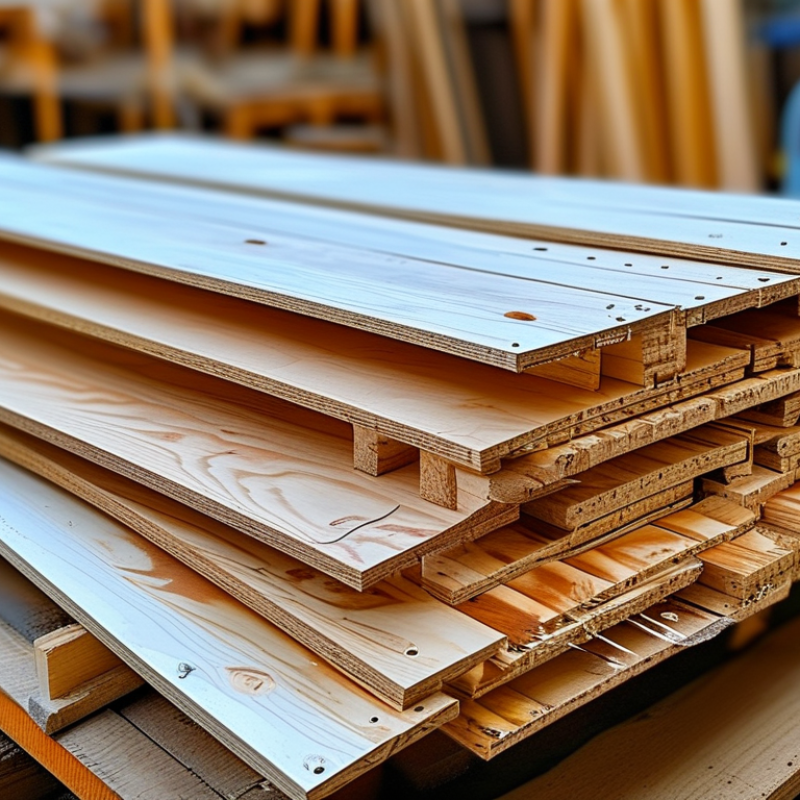
Understanding Plywood Warping: Causes and Effects
Plywood warping is a widespread issue that affects many woodworking projects. Understanding the causes is crucial. According to a report from the Wood Products Council, about 30% of plywood is prone to warping when exposed to improper storage conditions. Moisture is the primary culprit, as plywood consists of layers of wood veneer glued together. When humidity fluctuates, the wood expands or contracts, leading to warping.
Temperature plays a significant role as well. Rapid changes can weaken the internal bonds of the layers. A study from the American Plywood Association notes that storing plywood in environments above 85°F for extended periods can exacerbate these effects. Furthermore, improper stacking techniques can create uneven pressure, further increasing the risk of warping.
To combat these issues, consider these tips. Store plywood in a climate-controlled environment with consistent temperature and humidity levels. Use a flat surface for stacking to avoid creating tension. Regularly inspect your stored plywood to identify any signs of moisture damage early. Ensure adequate airflow around the sheets. These practices can significantly reduce the likelihood of warping and extend the life of your plywood materials.
FAQS
: Plywood warping is a distortion caused by humidity and temperature changes affecting the wood layers.
Fluctuating moisture levels and temperature can weaken plywood's internal bonds, leading to warping.
Store plywood in a climate-controlled space with 30-50% humidity to maintain its integrity.
Yes, improper stacking can lead to uneven pressure and increase the risk of warping.
Stack sheets flat with spacers every 24 inches to promote airflow and prevent moisture buildup.
Regularly inspect it for signs of moisture damage; neglect can worsen the condition.
No, elevating plywood with pallets allows better air circulation and reduces moisture risks.
Keep the storage area temperature stable, avoiding extremes above 85°F, which can worsen warping.
Yes, using spacers helps avoid pressure points and promotes even drying and ventilation.
It’s important to address it quickly, as even minor issues can become major problems if ignored.
Conclusion
Preventing plywood from warping in storage requires an understanding of the causes and effects of warping, as well as implementing optimal storage conditions. Key factors include maintaining consistent humidity and temperature levels to minimize moisture absorption, which is a primary cause of warping. Proper ventilation around the storage area is also crucial to avoid stagnant air that can lead to moisture buildup.
In addition to ideal storage conditions, best practices for stacking plywood are essential. Stacking sheets evenly and providing adequate support can prevent bending and twisting. Utilizing protective covers and sealing techniques can further shield plywood from environmental factors. Regular maintenance and inspection of stored plywood help identify potential issues early, ensuring longevity and stability. By following these guidelines, you can effectively learn how to prevent plywood from warping in storage, thereby preserving its quality for future use.
