 Regit Decor
Top 10 Ways to Tell If Plywood Is Sustainably Sourced
How to tell if plywood is sustainably sourced is not answered by a green label alone. Buyers need to look beyond the smooth face veneer and ask where the wood grew, how it moved through the supply chain, and what evidence supports the claim. Dr. James Bowyer, a forest-products researcher, has written extensively about wood sourcing and environmental impacts. A careful paraphrase of his work is: “Sound choices depend on evidence about the material and its origin.” That is a principle, not a substitute for checking documents.
This guide’s ten checks cover certification, chain-of-custody records, species and origin details, recycled content, and mill-level transparency. Look for current FSC or PEFC documentation, then confirm that the certificate applies to the supplier and product—not just the company’s general marketing. Ask for a product data sheet and emissions information, too. Plywood’s thin layers and adhesive line matter.
Labels can help. They are not the whole story. A supplier who can name the mill and explain the veneer source offers more useful detail than a vague “eco-friendly” claim. Still, even careful checks have limits: records may be incomplete, and sourcing can change between batches. The aim is not instant certainty. It is a more informed purchase, supported by traceable evidence and specific questions.
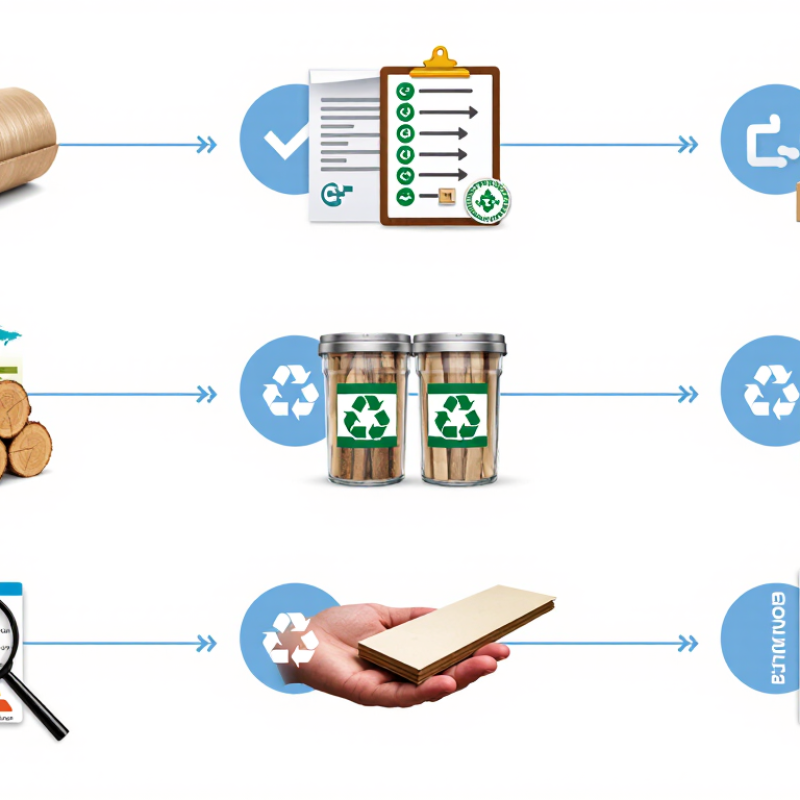
Identify Credible Forest Certification and Chain-of-Custody Labels
A credible label tells you more than “responsibly sourced.” Look for a recognized forest-management certification, such as FSC or PEFC, alongside a chain-of-custody claim. Forest certification assesses forest practices; chain of custody tracks material through mills, panel plants, and distributors. That distinction matters. A mill’s certificate alone does not prove that the plywood in front of you carries a certified claim.
Check the label and certificate code in the certification program’s public directory. Confirm the certificate is current, covers the supplier and plywood product category, and matches the claim on the invoice. For example, a panel labeled “FSC Mix” should have matching paperwork. If a seller provides only a forest logo, ask for the chain-of-custody number and product-specific documentation. A small mismatch is a reason to ask questions, not proof of wrongdoing. Certification can reduce uncertainty, but it may not reveal every detail about a panel’s recycled content or local impacts. Keep the invoice and a photo of the label with your project records.
Top 10 Ways to Tell If Plywood Is Sustainably Sourced — Identify Credible Forest Certification and Chain-of-Custody Labels
| No. | What to Check | Credible Evidence | What It Can Tell You | Important Caveat |
|---|---|---|---|---|
| 1 | Look for an independent forest certification mark | A certification claim or mark tied to a recognized, independent forest-certification scheme. | May indicate that the forest supplying the wood is assessed against defined forest-management requirements. | A mark alone is not proof that every wood layer in the plywood is certified. Check the product claim and its scope. |
| 2 | Check for chain-of-custody certification | A valid chain-of-custody certificate number for the supplier or manufacturer, with a scope covering the relevant product group. | Shows that certified material claims are tracked through the supply chain using documented controls. | It does not automatically mean the particular panel is certified. Confirm that the product is sold with an eligible certification claim. |
| 3 | Verify the certificate independently | Certificate details that can be checked in the certification scheme’s official public database or confirmed by the certification body. | Helps confirm the certificate is genuine, current, and issued for the named business and relevant activities. | Check validity dates, certificate status, sites, and product scope; a certificate may be suspended, expired, or limited. |
| 4 | Read the exact material claim | Clear wording that distinguishes certified material, recycled material, and controlled or otherwise verified sources. | Clarifies which types of wood material the claim covers. | Different claim categories have different requirements. “Controlled” or “verified” material is not the same as material certified from a certified forest. |
| 5 | Check the certified-content percentage, if stated | A documented percentage claim or product label that specifies the applicable certified or recycled content category. | Indicates the share of material covered by the stated claim, where the scheme allows percentage-based claims. | Do not assume a certified-content claim means 100% certified wood. Confirm the scheme’s rules and the basis used for the percentage. |
| 6 | Match the label to the exact product | The invoice, packing list, product specification, or label identifies the plywood product and includes its applicable claim or certificate reference. | Connects the sustainability claim to the panels being purchased rather than just to a supplier’s general credentials. | A supplier’s certificate does not establish that every product it sells is covered. Ask for product-specific documentation. |
| 7 | Ask for wood species and country of harvest | Species information and harvest-country details supported by product or supply-chain records. | Provides traceability context and helps buyers assess sourcing risks and applicable legal requirements. | Country of manufacture may differ from country of harvest. Ask for harvest origin when it is relevant to your assessment. |
| 8 | Request evidence of legal sourcing and due diligence | Supplier due-diligence records, origin documentation, and information addressing applicable timber-trade laws. | Helps establish that the wood was legally harvested and traded under relevant requirements. | Legal compliance is essential but does not, by itself, demonstrate sustainable forest management. |
| 9 | Review recycled-content claims separately | A clearly defined recycled-content claim supported by records or a relevant third-party verification. | Can show that some or all of the wood fiber comes from recycled sources, depending on the claim and its calculation method. | Recycled-content verification is not the same as forest-management or chain-of-custody certification. Check what material is included. |
| 10 | Compare supporting documents and ask questions | Consistent information across the label, technical data sheet, invoice, certificate scope, and supplier response. | Helps identify vague claims, mismatched product details, or gaps in traceability before purchase. | Environmental product declarations and low-emission test reports can provide other useful information, but they do not replace forest-sourcing evidence. |
FAQS
Look for a recognized forest-management certification and a chain-of-custody claim. They show different things.
It tracks material through mills, panel plants, and distributors. A mill certificate alone may not cover the plywood you are buying.
Search its code in the certification program’s public directory. Check that it is current and covers the supplier and plywood category. Compare it with the invoice.
Ask the seller for product-specific documents and an explanation. A mismatch is a reason to check, not proof of a problem.
Ask for the botanical species name. “Mixed hardwood” is too vague to verify. Compare paperwork with the face veneer and core.
Request the declared harvest country, named forest area or management unit, mill intake records, and batch details. Names matter.
Ask for permits, harvest dates, and authorization details for the specific batch. Check them against current government records.
No. It can reduce uncertainty, but may not show all recycled content or local impacts. Paperwork can leave gaps.
Save the invoice and photograph the label. Keep them with your project records. Small steps help.
Conclusion
How to tell if plywood is sustainably sourced starts with checking whether its forest certification and chain-of-custody labels are credible and relevant to the product. These labels can help show that wood was tracked from its forest origin through processing and sale. Ask the supplier where the wood was harvested, which species it contains, and whether the harvesting practices are described clearly and consistently.
Look beyond labels to the mill and the paperwork behind the product. Responsible operations should have sensible controls for waste, emissions, and resource use, while suppliers should be willing to provide supporting documentation such as product specifications, origin details, and traceability records. Compare the information across documents, packaging, and supplier responses. Clear, consistent answers make it easier to judge whether the plywood’s sourcing claims are supported by evidence rather than vague assurances.
